Category: Asia Economy

  • South Korea’s Top Banks Hit Record Profits as Scrutiny Grows

    South Korea’s Top Banks Hit Record Profits as Scrutiny Grows

    South Korea’s largest banking groups closed out the first nine months of the year with record profits, even as financial regulators sharpen their focus on cybersecurity lapses and governance failures across the sector.
    Modern office building with blue facade and gray facade
    Photo by Abdul Ridwan on Unsplash
    Key facts

    • KB Financial Group's nine-month net profit reached a record 5.79 trillion won, up 13.1 percent from a year earlier, according to the Korea Herald.
    • Shinhan Financial Group also posted a record nine-month profit of 5.03 trillion won, with third-quarter profit up 11.3 percent year-on-year, per the Korea Times.
    • Combined third-quarter net profit at KB, Shinhan, Hana and Woori totaled 5.76 trillion won, the Korea Times reported.
    • Hana posted its highest quarterly profit since its 2015 merger with Korea Exchange Bank, while Woori was the only one of the four to see profit fall, down 15.7 percent.
    • Financial Supervisory Service Governor Lee Chan-jin pressed banking executives on cybersecurity and internal controls following a string of data breaches, the Korea Times reported.

    What happened

    KB Financial Group reported its strongest nine-month performance ever, with net profit climbing 13.1 percent from the same period last year to reach 5.79 trillion won, according to the Korea Herald. The gain was largely fueled by a surge in fee income tied to brokerage activity and investment products, which jumped 38.5 percent to 4.09 trillion won over the nine-month stretch. Quarterly results told a slightly different story: KB’s third-quarter profit of 1.91 trillion won marked a step down of 4.3 percent from the prior quarter’s peak, even though it remained well above year-ago levels.

    Shinhan Financial Group posted similarly strong numbers, with its own nine-month profit setting a new high at 5.03 trillion won, the Korea Times reported. Its third-quarter profit of 1.58 trillion won represented an 11.3 percent increase from a year earlier. Hana Financial Group logged a third-quarter profit of 1.22 trillion won, its best quarterly showing since the 2015 merger that combined Hana Bank with Korea Exchange Bank. Woori Financial Group broke from the pack, with third-quarter profit sliding 15.7 percent to 1.04 trillion won — still enough to mark its second straight quarter above the 1 trillion won mark, a first since the group’s founding in 2019. Altogether, the four groups’ combined third-quarter profit reached 5.76 trillion won, per the Korea Times.

    Why it matters

    These results show South Korea’s banking sector remains highly profitable, with fee-based businesses like brokerage and asset management increasingly supplementing traditional lending income. That diversification has helped firms like KB post standout growth even when trading conditions cooled later in the period.

    Our read: the profit figures arrive just as regulators are demanding more from these same institutions on risk controls. That timing puts pressure on banking groups to prove that strong earnings aren’t masking weaknesses in how they manage emerging threats like cyberattacks.
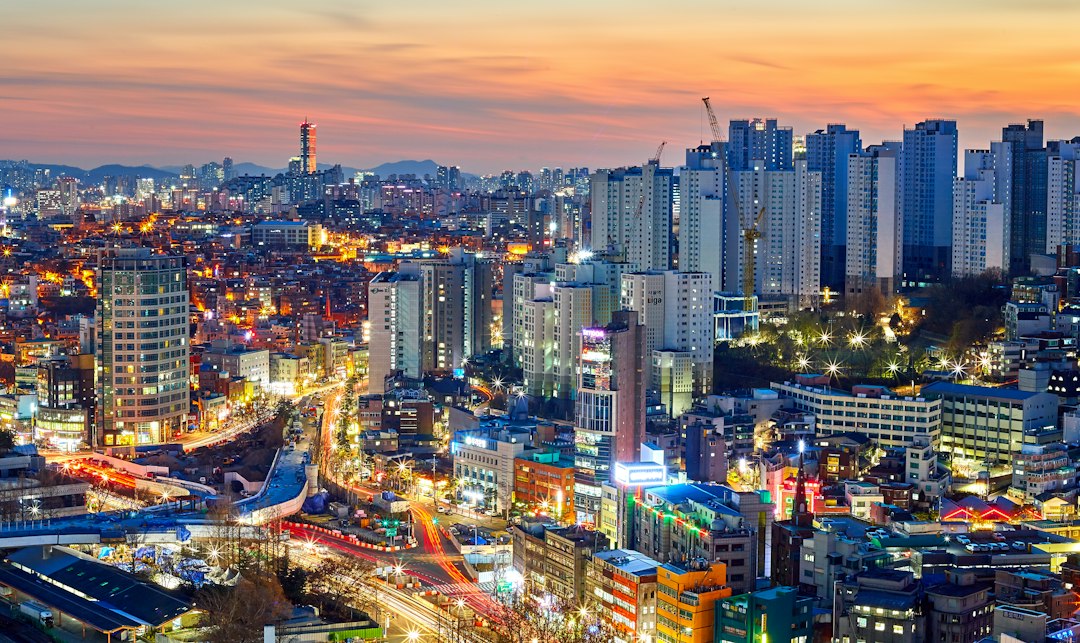
    A dense cityscape in Seoul, South Korea, under a warm orange sky at night
    Photo by Mathew Schwartz on Unsplash

    Background

    South Korea’s financial holding companies have consolidated significant market power over the past decade, with a handful of large groups dominating retail and corporate banking alongside brokerage and insurance arms. This structure allows cross-selling of financial products, which has become a growing profit driver. At the same time, concentrated market power has drawn ongoing attention from regulators concerned about systemic risk and consumer protection.

    According to the Korea Times, a recent string of cyberattacks and resulting data leaks across the financial industry has heightened concerns about the sophistication of threats, including tools powered by artificial intelligence. Financial Supervisory Service Governor Lee Chan-jin reportedly urged banking executives to strengthen their security systems and internal oversight during a meeting this week.

    What to watch

    Analysts and industry officials will likely watch whether fee income from brokerage and investment products can sustain its growth pace into the final quarter, given that trading activity already showed signs of softening in KB’s case. Regulatory follow-through is another factor to track, as supervisors continue pressing financial groups on data security and governance standards.

    Woori’s performance also bears watching, since its profit decline stood out against gains at its three largest peers. Whether that trend continues or reverses could shape how the broader sector is perceived heading into next year.

    Frequently asked questions

    Which South Korean bank posted the biggest nine-month profit?

    KB Financial Group led with a record 5.79 trillion won in net profit for the first nine months, according to the Korea Herald.

    Did all four major banking groups see profit growth?

    No. While KB, Shinhan and Hana posted gains, Woori's third-quarter net profit fell 15.7 percent to 1.04 trillion won, per the Korea Times.

    Why are regulators paying closer attention to these banks now?

    A recent wave of cyberattacks and data leaks, combined with governance concerns, prompted the Financial Supervisory Service to demand stronger accountability from financial holding companies.

    Sources

    This article was prepared with AI assistance from the reports listed above and automatically checked against them. See About for how we work.
  • Hanwha Aerospace Posts Q3 Net Loss on Delayed Arms Shipments

    Hanwha Aerospace Posts Q3 Net Loss on Delayed Arms Shipments

    Hanwha Aerospace, one of South Korea’s largest weapons makers, reported a net loss of 36.7 billion won ($27.5 million) for the third quarter, a reversal from the 699 billion won profit it logged a year earlier, according to Yonhap and The Korea Times, both citing a regulatory filing released Thursday.

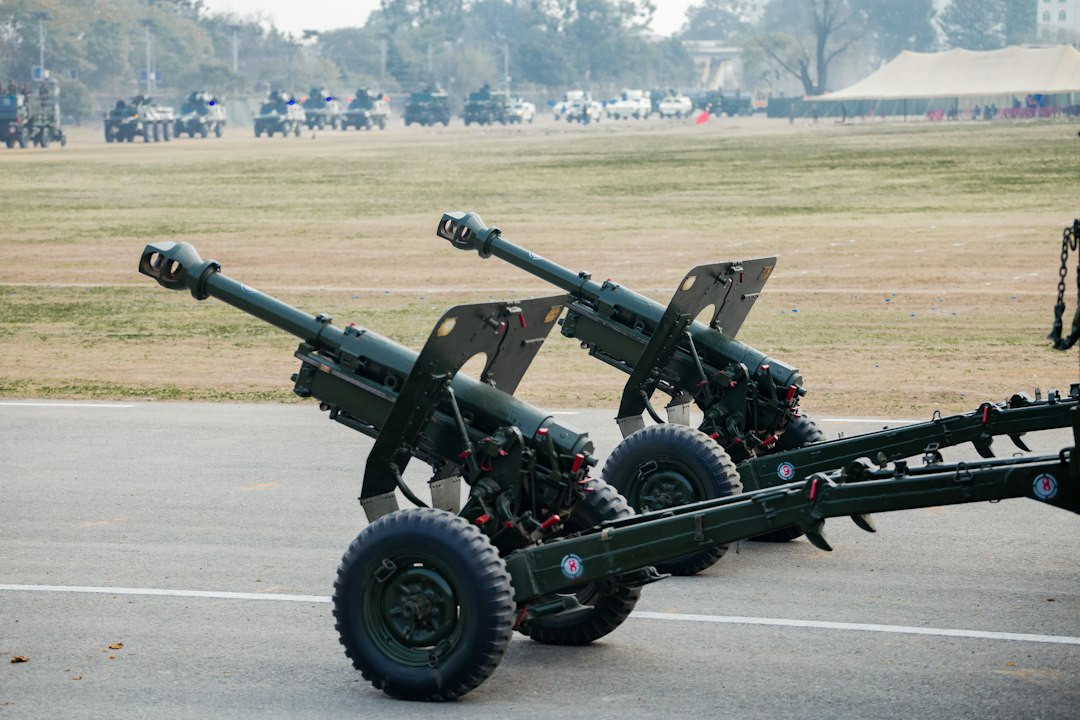
    Two artillery cannons on a paved surface
    Photo by Sushanta Rokka on Unsplash
    Key facts

    • Hanwha Aerospace reported a net loss of 36.7 billion won ($27.5 million) for July-September, versus a 699 billion won profit a year earlier, according to Yonhap and The Korea Times
    • Operating profit dropped 46.2 percent year-on-year to 452 billion won, while revenue slipped 6 percent to 6.09 trillion won
    • The company said shipments of K9 self-propelled howitzers bound for Poland were pushed into the fourth quarter, after some units had instead shipped early in the second quarter
    • The aerospace unit swung to an operating loss of 2.4 billion won as costs tied to engine deliveries under its partnership with Pratt & Whitney increased, per the regulatory filing
    • Hanwha's order backlog stood at 35 trillion won at the end of September, and the firm said it expects results to improve in the fourth quarter

    What happened

    The company’s operating profit sank 46.2 percent from a year earlier to 452 billion won, while revenue eased 6 percent to 6.09 trillion won. Hanwha said the drop stemmed largely from a shift in delivery scheduling: a batch of K9 self-propelled howitzers destined for Poland that was expected this quarter will now go out in the final three months of the year. That slippage was compounded by the fact that some earlier shipments had actually landed ahead of schedule back in the second quarter, flattering that period’s results at the expense of the third.

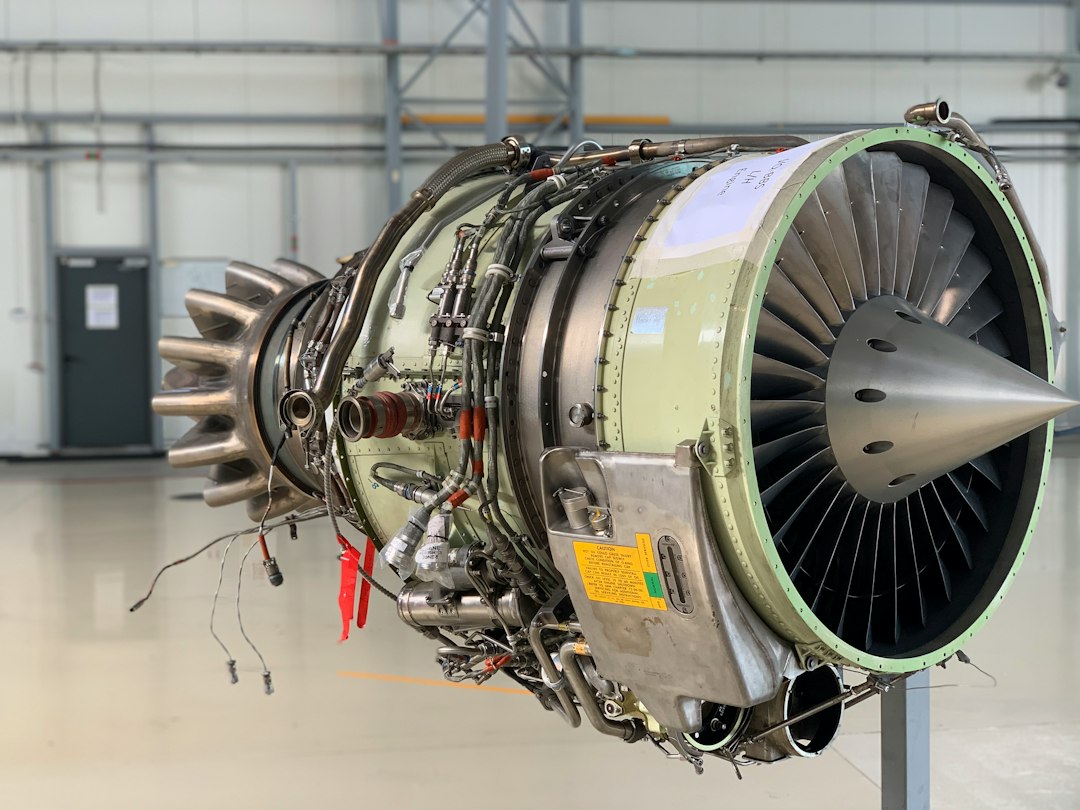
    Within the business, the ground defense segment still generated 1.24 trillion won in revenue and 21.7 billion won in operating profit, and the company’s total order backlog remained sizable at 35 trillion won as of end-September. The aerospace division fared worse, falling into an operating loss of 2.4 billion won. Hanwha attributed this to higher costs from delivering more geared turbofan engines under its cost- and revenue-sharing arrangement with American engine maker Pratt & Whitney — an agreement in which suppliers absorb upfront development and production expenses in return for a share of later earnings.

    Why it matters

    The swing to a loss is notable given how strong Hanwha’s defense exports have been in recent years, driven by demand from European buyers restocking artillery and rocket systems. A single quarter of delayed shipments can distort headline profit even when underlying demand hasn’t weakened, and that appears to be the dynamic here: the company says the shortfall is a timing issue tied to logistics rather than a drop in orders.

    Our read: investors watching Korean defense exporters should pay close attention to delivery schedules, not just order totals, since a backlog of 35 trillion won means little for a given quarter if shipments land in a different period. The aerospace segment’s losses also show how revenue-sharing deals with global partners like Pratt & Whitney can weigh on short-term earnings even as delivery volumes climb.

    gray and yellow industrial machine
    Photo by Kaspars Eglitis on Unsplash

    Background

    Hanwha Aerospace has become a central player in South Korea’s push to expand arms exports, with Poland among its largest customers for artillery systems. The firm’s ground defense and aerospace units operate alongside affiliated Hanwha companies in shipbuilding and defense electronics, which form part of the broader Hanwha industrial group active in manufacturing and heavy industry across Asia.

    Quarterly results in the defense sector can swing significantly based on when large hardware orders are physically delivered and formally recognized as revenue, which is part of why companies in this space often emphasize order backlogs as a steadier indicator of underlying business health than single-quarter profit figures.

    What to watch

    Hanwha Aerospace said it expects performance to rebound in the fourth quarter, pointing to planned deliveries of K9 howitzers and Chunmoo multiple rocket launchers to Poland, along with continuing progress on K9-related programs in Egypt and Australia. Whether those shipments proceed on schedule will be the clearest signal of whether the third-quarter loss was indeed a temporary timing issue rather than a sign of broader strain.

    Markets will also likely watch how the aerospace division’s engine-delivery losses evolve, since that cost pattern tied to the Pratt & Whitney partnership could persist as engine shipment volumes continue to rise.

    Frequently asked questions

    Why did Hanwha Aerospace report a net loss in the third quarter?

    The company pointed to shipment timing issues, particularly K9 howitzer units for Poland that slipped into the fourth quarter, along with one-time costs, according to Yonhap and The Korea Times.

    How large was the net loss compared with last year?

    Hanwha Aerospace posted a 36.7 billion won net loss for July-September, a sharp swing from the 699 billion won profit it recorded in the same period last year.

    Does Hanwha Aerospace expect a quick recovery?

    The firm said it anticipates stronger results in the fourth quarter as howitzer and rocket-launcher shipments to Poland resume and K9 programs in Egypt and Australia advance, per its regulatory statement.

    Sources

    This article was prepared with AI assistance from the reports listed above and automatically checked against them. See About for how we work.

  • Why the Fed Held Rates Steady Despite High Inflation

    Why the Fed Held Rates Steady Despite High Inflation

    The US Federal Reserve left its benchmark interest rate unchanged this week, holding it in a 3.75 to 4.00 percent range even as inflation remains a pressing concern for households and a hot-button issue in upcoming midterm elections, according to SCMP and Yonhap.

    1 U.S.A dollar banknotes
    Photo by Alexander Grey on Unsplash
    Key facts

    • The Federal Open Market Committee voted 10-2 to keep the benchmark rate at 3.75-4.00 percent, according to Yonhap and SCMP
    • The pause came just days before US midterm elections in which inflation has been a central issue, per SCMP
    • The hold follows a quarter-point hike at the prior meeting; SCMP describes it as the first increase in three years, while Yonhap says it was the first since July 2023
    • The gap between US and South Korean benchmark rates now stands at up to one percentage point, Yonhap reported
    • PIMCO had forecast the October pause, followed by another quarter-point increase in December, according to Yonhap

    What happened

    Policymakers on the Federal Open Market Committee met over two days and voted 10-2 to keep rates steady, both outlets reported. The move follows a quarter-point increase delivered at the previous meeting. Accounts of how significant that earlier hike was differ slightly: SCMP described it as the Fed’s first rate increase in three years, while Yonhap characterized it as the first hike since July 2023. Either way, both reports agree the central bank had been signaling it might raise rates again before now, citing persistent inflation and elevated oil prices.

    In its statement, the Fed pointed to a resilient economy as grounds for patience. It noted that domestic spending has held up well, productivity growth is strong, and capital investment remains robust. The central bank also said hiring has kept pace with the available workforce and that unemployment has barely moved. Rather than tightening further right away, the Fed said it wants to gather more data before deciding what comes next, aiming to bring inflation back down to its 2 percent target over time.

    Why it matters

    Holding rates steady rather than hiking again signals that the Fed sees room to wait, even with inflation still running hot. For markets, that confirms expectations: the decision matched what investors and analysts had already priced in. Pacific Investment Management Co. (PIMCO) had predicted this exact sequence — a pause in October followed by a further quarter-point increase in December — according to Yonhap, suggesting the Fed’s messaging has remained fairly predictable to large institutional investors.

    The decision also has ripple effects beyond US borders. Yonhap noted that the rate gap between the US and South Korea now sits at up to one percentage point. Interest rate differentials like this can influence currency movements and cross-border investment flows, since money tends to chase higher returns, though neither source detailed specific market reactions in Asia.

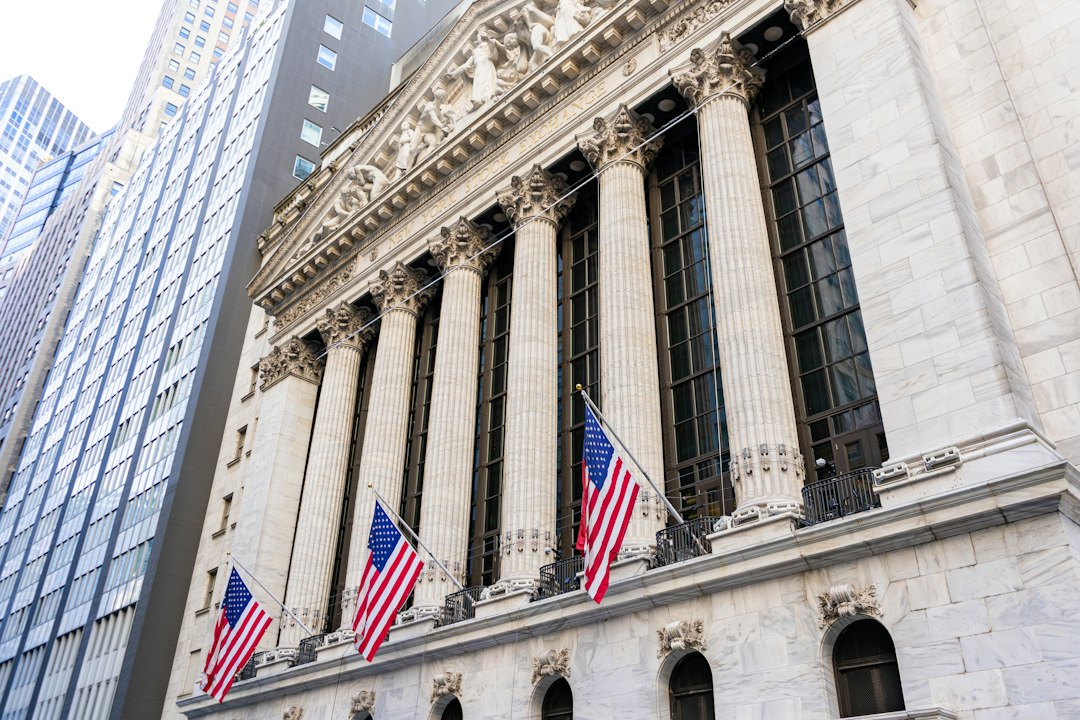
    New york stock exchange building with american flags
    Photo by Maxim Klimashin on Unsplash

    Background

    Central banks typically raise interest rates to cool inflation by making borrowing more expensive, which can slow spending and investment. But hiking too aggressively risks choking off economic growth or triggering job losses. A pause, like the one the Fed just delivered, often reflects a balancing act: policymakers want to see whether previous hikes are working their way through the economy before deciding whether more tightening is needed.

    The timing here added a political dimension. The decision landed just ahead of US midterm elections in which inflation has been a major talking point for voters, per SCMP’s reporting. While the Fed operates independently of electoral politics, the optics of a rate decision landing so close to a major vote inevitably draw scrutiny.

    What to watch

    The most immediate signal to watch is whether the Fed follows the path PIMCO has forecast: another quarter-point increase in December. If inflation data firms up or weakens significantly between now and then, that could shift the central bank’s calculus.

    Our read: the Fed’s language about wanting more information suggests it is trying to thread a narrow path—avoiding an overcorrection while still keeping its 2 percent inflation target in sight. Whether that balance holds will likely depend on economic data released in the coming weeks, particularly around employment and consumer prices.

    Frequently asked questions

    What interest rate range did the Fed settle on?

    The Federal Reserve kept its benchmark rate within a 3.75 to 4.00 percent range, a decision reached by a 10-2 vote of the FOMC.

    Why didn't the Fed raise rates again given high inflation?

    The Fed said it wanted more economic data before deciding its next move, even as it described the economy as expanding strongly with resilient spending and a steady labor market.

    What comes next for US rates?

    According to Yonhap, bond manager PIMCO expects the Fed to follow this pause with another quarter-point rate increase in December.

    Sources

    This article was prepared with AI assistance from the reports listed above and automatically checked against them. See About for how we work.