Category: Asia Economy

  • Samsung Electronics Nears $146.6 Billion Cash Pile on AI Chip Boom

    Samsung Electronics Nears $146.6 Billion Cash Pile on AI Chip Boom

    Samsung Electronics is on course to become the first South Korean company to hold more than 200 trillion won, or roughly $146.6 billion, in cash, according to industry data reported by Yonhap and The Korea Times. The jump is being credited to booming demand for AI-related chips, which has reshaped the company’s balance sheet over the past year.
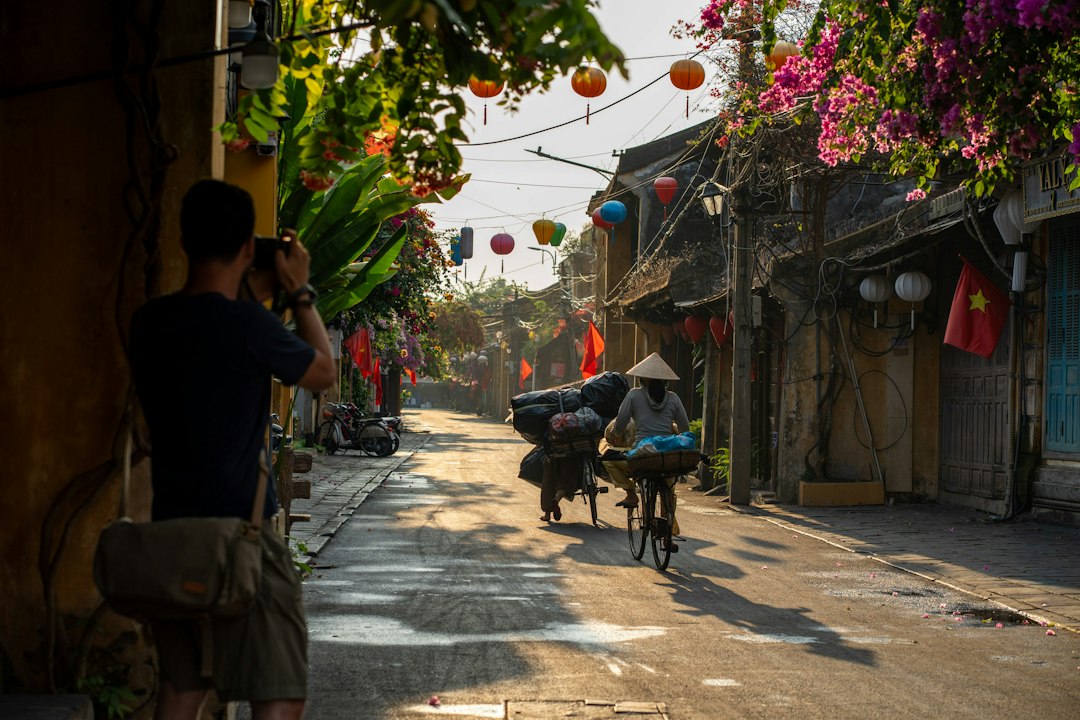
    A photographer captures a street scene with cyclists and lanterns
    Photo by Pete Walls on Unsplash
    Key facts

    • Samsung's cash and equivalents are estimated at 214.8 trillion won ($146.6 billion equivalent) as of the third quarter, according to Yonhap and The Korea Times.
    • That figure marks a gain of 24.8 trillion won from the 190 trillion won reported three months prior.
    • The current cash holdings are close to double what Samsung held a year earlier, when the figure stood at 108.5 trillion won.
    • Total company assets climbed to 791.8 trillion won by the end of September, a rise of 32.4 trillion won in one quarter.
    • Samsung has earmarked 90 trillion to 110 trillion won for shareholder payouts in 2026, part of a return plan unveiled in August.

    What happened

    Industry figures show Samsung’s cash and cash equivalents climbing to an estimated 214.8 trillion won by the third quarter, a increase of 24.8 trillion won from the 190 trillion won recorded just one quarter before. Compared with where the company stood at the same point a year earlier, when cash reserves were near 108.5 trillion won, the current total is close to double.

    The company’s overall balance sheet has expanded alongside the cash buildup. Total assets reached 791.8 trillion won at the end of September, climbing 32.4 trillion won in a single quarter, based on the same data cited by both outlets.

    Why it matters

    Analysts quoted in the reporting say Samsung’s cash reserves are now large enough to cover the full amount promised under its shareholder return program, which was announced in August. Under that plan, the company intends to make available between 90 trillion and 110 trillion won for payouts to investors in 2026.

    Our read: the scale of this cash buildup signals how central memory chips and AI-linked demand have become to Samsung’s overall financial health, not just its chip division. A cash position of this size also gives the company flexibility to fund large capital projects without relying heavily on debt.

    brown hardbound books on white table
    Photo by Debby Hudson on Unsplash

    Background

    Samsung has been pouring money into expanding its chip-making capacity as global demand for advanced memory and AI processors has intensified. Spending on infrastructure and research this year is projected to exceed 100 trillion won for the first time, with 84.4 trillion won of that directed toward growing memory production facilities, according to the reports.

    This kind of investment cycle is typical for memory chipmakers, which tend to expand output aggressively during periods of strong demand, then scale back when prices soften. The current boom has been driven in large part by the rapid rollout of artificial intelligence systems worldwide, which require large volumes of high-performance memory chips.

    What to watch

    Samsung has indicated that favorable conditions in the chip market, shaped by heavy AI investment and tight memory supply, are likely to persist into next year, based on the company’s own comments cited in the reporting. Its board is due to meet in January to decide on a shareholder return policy covering the upcoming year.

    Investors and analysts will likely watch whether Samsung’s cash levels keep rising at a similar pace, and whether the company sticks to its planned spending on memory expansion. Any shift in global chip demand could affect both the payout plans and the broader investment timeline outlined in the current data.

    Frequently asked questions

    How much cash does Samsung Electronics reportedly hold now?

    According to industry data cited by Yonhap and The Korea Times, Samsung's cash and cash equivalents reached roughly 214.8 trillion won, or about $146.6 billion, as of the third quarter.

    Why is Samsung's cash pile growing so fast?

    Both outlets attribute the surge to the AI-driven boom in chip demand, often called a semiconductor supercycle, which has boosted Samsung's earnings and liquidity.

    What will Samsung do with the money?

    The company has set aside 90 trillion to 110 trillion won for shareholder returns in 2026 and plans over 100 trillion won in chip-related investment this year, including 84.4 trillion won for memory plant expansion.

    Sources

    This article was prepared with AI assistance from the reports listed above and automatically checked against them. See About for how we work.
  • Why Nvidia CEO’s Daughter Skipped Her Seoul Trip

    Why Nvidia CEO’s Daughter Skipped Her Seoul Trip

    Madison Huang, a senior director at Nvidia and the eldest daughter of company CEO Jensen Huang, has scrapped a trip to South Korea that had been set for this week, according to reports from Yonhap, The Korea Herald and The Korea Times.

    Las vegas convention center west hall with ces logo
    Photo by Florian Schindler on Unsplash
    Key facts

    • Madison Huang, a senior director at Nvidia and the eldest daughter of CEO Jensen Huang, canceled a planned trip to South Korea, according to Yonhap, The Korea Herald and The Korea Times.
    • She had been expected to arrive Sunday for the two-day Nvidia AI Day Seoul 2026 gathering at Seoul's COEX center and to meet South Korean government officials.
    • Sources told local outlets the trip was called off over family issues, without giving further detail.
    • Some industry observers reportedly link the cancellation to foreign media claims that U.S. intelligence officials suspect a woman once close to Jensen Huang of spying for China, though this is unconfirmed.
    • The Nvidia-organized event is still expected to go ahead without her, sources said.

    What happened

    She had been scheduled to land in South Korea on Sunday ahead of a two-day Nvidia-organized gathering called AI Day Seoul 2026, held at the COEX convention venue in Seoul, where she was also due to hold talks with South Korean government officials. Unnamed sources told local news outlets that the trip was pulled because of family issues, though they did not elaborate further. Yonhap reported that the decision is believed to stem from these personal matters, while noting it could not independently verify additional details. Despite her absence, organizers intend to carry on with the event as originally planned, according to the sources.

    Why it matters

    Huang’s visits typically carry weight because they signal how closely Nvidia is coordinating with South Korean partners as the country’s chipmakers and tech firms expand their role in the global AI supply chain. Her sudden withdrawal, even without a clear public explanation, has drawn attention partly because of unrelated overseas reporting. The Korea Times and Yonhap both noted that some industry watchers are speculating her cancellation could be connected to foreign media accounts claiming that U.S. intelligence officials suspect a woman who was once romantically involved with Jensen Huang of acting as an intelligence asset for China. None of the outlets confirmed any link between that reporting and her canceled trip, and it remains speculative.

    a large machine in a factory with people working on it
    Photo by Homa Appliances on Unsplash

    Background

    Madison Huang has made previous appearances in South Korea tied to Nvidia’s business dealings there. In August, she toured a facility that LG Electronics is building in Seoul’s Seocho district, where she was welcomed with a bouquet presented by one of LG’s home robots. Earlier, in June, she visited SK Group’s headquarters in Seoul and met with the company’s chairman, Chey Tae-won. These appearances reflect Nvidia’s deepening engagement with major South Korean conglomerates as the country positions itself as a hub for chip production and AI infrastructure.

    Our read: such visits by Nvidia executives, including members of the Huang family, have increasingly served as informal markers of how central South Korean firms have become to the company’s hardware and AI ambitions. A last-minute cancellation, even for private reasons, can draw outsized attention simply because of that symbolic role.

    What to watch

    It remains to be seen whether Nvidia or the Huang family will offer any public comment clarifying the reason behind the canceled trip. Observers will also be watching whether the AI Day Seoul 2026 event proceeds smoothly without her participation, and whether further reporting emerges connecting the cancellation to the broader espionage allegations circulating in foreign media. For now, South Korean outlets agree on the basic sequence of events but differ in how much weight they give to the spy-related speculation, treating it explicitly as unconfirmed.

    Frequently asked questions

    Who is Madison Huang?

    She is a senior director at Nvidia and the eldest daughter of company CEO Jensen Huang, according to The Korea Herald.

    Why did she cancel her South Korea trip?

    Sources cited by Yonhap and other outlets said it was due to family issues, though no details were disclosed.

    Will the Nvidia event in Seoul still happen?

    Yes, sources said the Nvidia AI Day Seoul 2026 event at COEX is expected to proceed as planned despite her absence.

    Sources

    This article was prepared with AI assistance from the reports listed above and automatically checked against them. See About for how we work.
  • Mirae Asset Securities Breach Hits Data of 39,000 People

    Mirae Asset Securities Breach Hits Data of 39,000 People

    Mirae Asset Securities, South Korea’s largest brokerage, said Saturday that intruders had gained unauthorized entry into its systems, exposing information connected to around 39,000 people, according to Yonhap and The Korea Herald.

    a large glass building sitting under a cloudy sky
    Photo by Bank OZK on Unsplash
    Key facts

    • Mirae Asset Securities disclosed on Saturday that data linked to roughly 39,000 people had been exposed, according to Yonhap and The Korea Herald.
    • About 3,800 customer account numbers were among the compromised records, the firm said.
    • Information on more than 35,000 current and former staff and contractors — including names, ID numbers, emails, phone numbers and passwords — was also exposed, Yonhap reported.
    • The firm said it cut off the affected access points and alerted three financial regulators after spotting the intrusion.
    • Korea Times noted the incident followed a similar leak days earlier at sister firm Mirae Asset Life Insurance, part of a broader wave of financial-sector breaches.

    What happened

    The firm said outside parties broke into two separate systems on consecutive days — first its mobile authentication login tool, then an internal network — allowing them to pull data out. Roughly 3,800 customer account numbers were taken, Yonhap reported, alongside records belonging to more than 35,000 people connected to the company as current or former staff members and outside contractors.

    For that second group, the exposed material reportedly spanned full names, internal staff identification numbers, contact emails, mobile numbers and login passwords, according to Korea Herald and Korea Times accounts.

    Why it matters

    Mirae Asset holds a leading position among Korean brokerages, so an intrusion of this scale raises concerns about how well large financial institutions are guarding both client and workforce data. Exposed passwords and contact details can open the door to follow-up scams such as impersonation attempts or phishing messages aimed at those affected.

    Our read: the fact that both customer and internal employee systems were breached within a two-day window points to a coordinated effort rather than an isolated glitch, underscoring why regulators are watching the financial sector’s cyber defenses closely right now.

    cable network
    Photo by Taylor Vick on Unsplash

    Background

    Mirae Asset told Yonhap it noticed unusual activity coming from outside IP addresses, moved quickly to seal off the compromised pathways, and switched on its internal emergency protocol. It also notified South Korea’s main financial watchdogs — the body overseeing financial policy, the one supervising financial institutions, and the agency responsible for personal data protection — about the incident.

    According to Korea Times and Yonhap, this episode came only days after Mirae Asset Life Insurance, a related firm within the same corporate group, reported a comparable leak of its own. Citing the Financial Services Commission, Yonhap noted that over the past month more than 470,000 personal records have leaked across 37 financial firms, with stolen funds estimated around 1 billion won, roughly $745,000. Regulators said that since late September, 40 separate leak cases have surfaced at those 37 companies, covering four commercial banks, five financial investment firms, three insurers and five savings banks.

    What to watch

    Whether Mirae Asset’s containment steps prevent further misuse of the leaked credentials remains to be seen, and regulators may release more detail as their review continues. Given that several financial firms have now reported similar intrusions within weeks of each other, further disclosures from other companies in the sector would not be surprising.

    This suggests authorities could move toward tighter rules on how brokerages and insurers secure login systems and internal databases, though no such measures have been announced yet based on current reporting.

    Frequently asked questions

    How many people were affected by the Mirae Asset Securities breach?

    The company said data tied to about 39,000 people was exposed, including roughly 3,800 customer account numbers and records for more than 35,000 staff and contractors, according to Yonhap.

    What kind of information was exposed?

    For employees and contractors, the leaked items included names, staff ID numbers, email addresses, phone numbers and passwords, per Korea Herald and Yonhap reporting.

    What has Mirae Asset done since discovering the breach?

    It said it shut down the compromised entry points, triggered its internal crisis response procedure, and informed Korea's financial oversight bodies, according to Yonhap.

    Sources

    This article was prepared with AI assistance from the reports listed above and automatically checked against them. See About for how we work.
  • Seoul Court Pauses $147 Million Data-Collection Fine on Coupang

    Seoul Court Pauses $147 Million Data-Collection Fine on Coupang

    The Seoul Administrative Court has put a temporary hold on a 201.16 billion won ($147.74 million) fine against Coupang Corp., the penalty tied to the company’s unauthorized gathering of user browsing data. A separate, much larger fine linked to a major data breach was not given the same relief, according to Yonhap and The Korea Times.

    a toy shopping cart
    Photo by Shutter Speed on Unsplash
    Key facts

    • The Seoul Administrative Court suspended a 201.16 billion won ($147.74 million) penalty against Coupang on Friday, according to Yonhap and The Korea Times.
    • The fine was tied to Coupang reportedly gathering browsing activity from roughly 11.17 million users and keeping it in its systems without their permission.
    • A separate, far larger 423.6 billion won penalty linked to a data breach that hit more than 37 million accounts was not suspended; a different court panel rejected that injunction request a day earlier, Yonhap reported.
    • Coupang has filed a lawsuit asking the court to cancel the smaller surcharge outright, in addition to seeking the temporary freeze.
    • The Korea Herald reported the suspension runs for 30 days from the date of the ruling, while Yonhap and The Korea Times said it lasts until 30 days after the first verdict in the main case — a detail the two reports describe differently.

    What happened

    South Korea’s Personal Information Protection Commission had ordered Coupang to pay the surcharge after finding the e-commerce company tracked the online behavior of roughly 11.17 million users and stored that information in its database without obtaining consent. Coupang responded by suing to have the surcharge canceled and simultaneously asked the court for an injunction to pause enforcement while the case plays out.

    On Friday, the court sided with Coupang on the injunction. It accepted the company’s argument that paying the fine immediately could cause harm that would be impossible to reverse later. Reports differ slightly on the exact length of the pause: Korea Herald described it as a 30-day suspension starting from the date of the ruling, while Yonhap and Korea Times reported the freeze holds until 30 days after a first verdict is reached in the underlying lawsuit.

    Why it matters

    The case highlights how aggressively South Korean regulators have pursued privacy violations at major online platforms. Coupang is one of the country’s dominant e-commerce operators, and penalties of this scale signal that regulators are willing to target large firms over how they handle customer data.

    Our read: the split outcome — one fine paused, the other left standing — suggests courts are weighing the two cases on separate merits rather than treating Coupang’s privacy troubles as a single bundle. That distinction could shape how the company approaches its legal strategy going forward.

    brown wooden tool on white surface
    Photo by Tingey Injury Law Firm on Unsplash

    Background

    Beyond the data-collection surcharge, the privacy commission separately fined Coupang 423.6 billion won over a breach that compromised information belonging to more than 37 million user accounts. Yonhap and Korea Times both describe this as the biggest single-company penalty the watchdog has ever issued.

    Coupang also sought to suspend that larger fine through an injunction, but a different panel of the Seoul Administrative Court rejected the request just a day before the ruling on the smaller case. This means Coupang currently faces the breach-related penalty without relief, even as it continues contesting the data-collection fine in a separate legal track.

    What to watch

    The core question now is how the main lawsuit over the 201.16 billion won penalty will be resolved, since that outcome will determine whether the suspended fine is ultimately overturned, reduced, or reinstated. Coupang’s parallel fight over the breach-related fine also remains unresolved, and further court filings or appeals are possible on that front as well.

    Readers following the case should watch for the first substantive ruling in the main lawsuit, since both Yonhap and Korea Times tie the length of the current suspension to that milestone. Any divergence between how the two fines are treated going forward could offer a clearer picture of how Korean courts are distinguishing between data-collection violations and breach-related failures.

    Frequently asked questions

    How much was the fine that got suspended?

    The frozen penalty totals 201.16 billion won, or about $147.74 million, according to Yonhap and The Korea Times.

    Does this affect the larger data breach fine against Coupang?

    No. That separate 423.6 billion won penalty, linked to a breach affecting more than 37 million users, remains in effect after a different court panel turned down Coupang's request to pause it.

    Why did the court agree to suspend the smaller fine?

    The Seoul Administrative Court said enforcing the penalty now could cause damage to Coupang that could not be undone later, justifying a temporary hold, per Korea Herald's account of the ruling.

    Sources

    This article was prepared with AI assistance from the reports listed above and automatically checked against them. See About for how we work.

  • Samsung Biologics Union Launches Second Partial Strike Over Pay

    Samsung Biologics Union Launches Second Partial Strike Over Pay

    Workers at Samsung Biologics’ union began a second partial strike at midnight on Nov. 6, demanding higher wages and changes to the company’s personnel system, with the action set to continue through Nov. 27, according to Yonhap and BusinessKorea.

    brown concrete building during daytime
    Photo by the blowup on Unsplash
    Key facts

    • The union's second partial strike began at midnight on Nov. 6 and is set to run through Nov. 27, according to Yonhap and BusinessKorea
    • About 400 members — roughly 10% of the union's 4,000-strong membership — are taking part, drawn from quality control, quality assurance, logistics and production support roles (Korea Times, Yonhap)
    • A court injunction bars strike action in nine core manufacturing steps, which is why the union scaled its plan down from a full walkout to a partial one (BusinessKorea)
    • Management has offered a 6.2% base-pay raise plus a one-time bonus, while the union wants a 9.5% raise plus performance pay equal to 15% of operating profit (all sources)
    • A five-day full strike in May reportedly cost the company about 150 billion won ($108 million) in losses, including disposed drugs, per BusinessKorea

    What happened

    Around 400 union members — about 10% of the roughly 4,000-strong union, according to Korea Times and Yonhap — walked off their posts in quality control testing, quality assurance, logistics and production support. Rather than holding rallies, the union is using a “no-work” approach, with members simply stopping their tasks. Organizers say they may widen the action depending on how talks progress, BusinessKorea reported.

    The union originally intended a full stoppage but was forced to narrow it after a court granted an injunction blocking strikes in nine essential production stages, including bioreactor culturing, media preparation, chromatography, virus filtration and bulk filling, per BusinessKorea. That ruling is why organizers are calling this a partial rather than full strike.

    Why it matters

    Labor and management remain split over pay terms that have been under discussion for more than six months, Korea Times reported, while Yonhap frames the broader dispute over wages and working conditions as stretching back more than two years — a difference that may reflect separate timelines for the current bargaining round versus the overall relationship. Management’s offer stands at a 6.2% base-pay increase with a one-time bonus; the union wants a 9.5% raise along with performance pay set at 15% of operating profit. A negotiating session planned for Nov. 3 reportedly never got off the ground because the two sides couldn’t even agree on terms to sit down, per BusinessKorea.

    Industry watchers quoted by BusinessKorea worry that a drawn-out dispute could dent client confidence in Samsung Biologics as a contract drug manufacturer, since reliability on delivery timelines is central to that business. Korea Times adds that rival contract manufacturers are expanding capacity quickly, raising the stakes if Samsung Biologics’ reputation for steady output takes a hit.

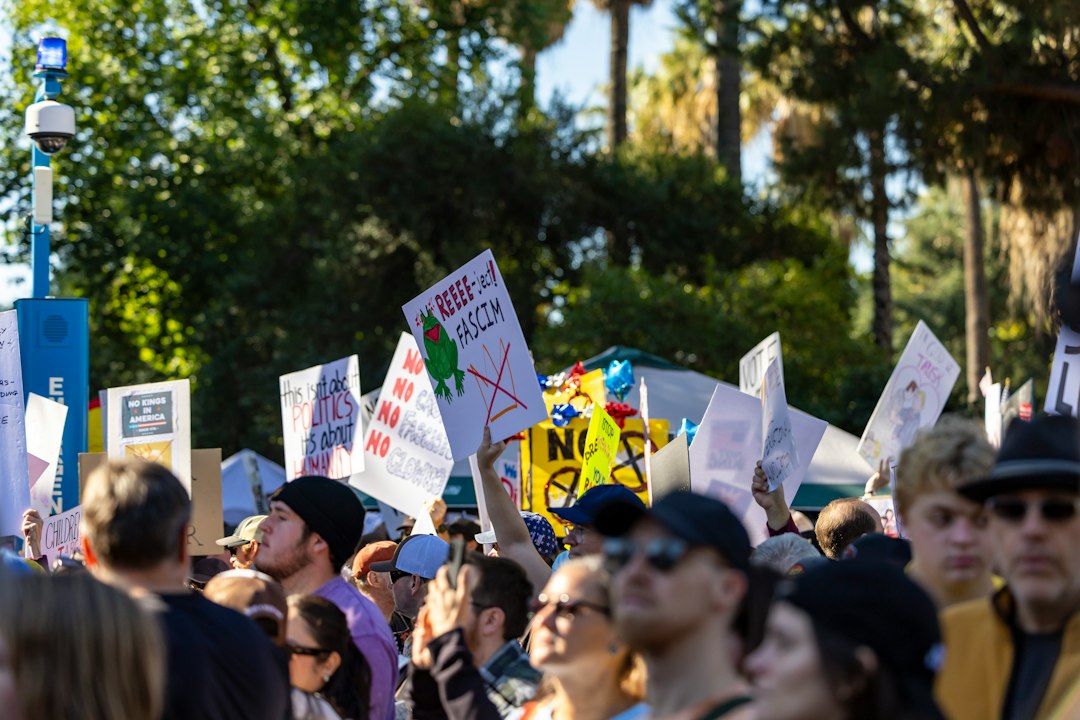
    Crowd holding signs at a protest or rally
    Photo by Leo_Visions on Unsplash

    Background

    This marks the third round of union action this year. A first partial walkout took place in late April involving around 60 members — the first such action since the company was founded in 2011, Yonhap reported. That was followed by a five-day general strike from May 1 to 5 involving some 2,800 members, after which workers kept up pressure by declining overtime and holiday shifts. BusinessKorea estimated that the May strike cost the company roughly 150 billion won ($108 million), partly from discarded drug batches, and noted that production of some patient-critical treatments, including cancer drugs and HIV medication, was briefly disrupted.

    By comparison, participation in the current strike is about one-seventh of May’s turnout, though it is scheduled to last more than four times as long, BusinessKorea noted, making the overall impact harder to forecast. A union member said at the company’s Songdo headquarters that working conditions should keep pace with the company’s growth, according to Yonhap.

    What to watch

    Because the court injunction keeps the nine core manufacturing processes running regardless of the strike, Korea Times suggests the near-term risk of major production disruption is relatively contained. Still, how long the standoff drags on, and whether the union expands its action, will shape whether client trust in Samsung Biologics as a dependable contract manufacturer is affected.

    Our read: with both sides holding firm on the size of the wage increase and performance-pay formula, the dispute looks likely to continue unless government-mediated talks, which have already resumed once without resolution according to Korea Times, produce a breakthrough before Nov. 27.

    Frequently asked questions

    Why did Samsung Biologics workers strike again?

    The union and management have been unable to agree on wage increases and changes to personnel policy, with talks stalled for months, according to Yonhap and Korea Times.

    How many employees are taking part and for how long?

    About 400 members, roughly 10% of the union, are participating in a 'no-work' action from Nov. 6 through Nov. 27, per Korea Times and Yonhap.

    Could this strike halt drug production the way May's did?

    Unlikely to the same degree — a court injunction keeps nine key manufacturing processes running, which Korea Times says keeps the risk of major disruption relatively low.

    Sources

    This article was prepared with AI assistance from the reports listed above and automatically checked against them. See About for how we work.

  • Democratic Midterm Sweep Fuels AI Regulation Fears, Rattles Markets

    Democratic Midterm Sweep Fuels AI Regulation Fears, Rattles Markets

    The head of DBS Group Holdings, Southeast Asia’s largest bank, warned on Thursday that equity markets will likely stay volatile following the US midterm elections, in which the opposition Democratic Party won control of both the Senate and the House, according to Nikkei Asia. Separately, The Hankyoreh reported that a wave of Democratic wins tied to anti-AI-regulation platforms, combined with local ballot measures against data centers, is raising doubts about the pace of AI infrastructure buildout across the United States.

    a large glass building sitting next to a body of water
    Photo by Bank OZK on Unsplash
    Key facts

    • DBS Group Holdings, described as Southeast Asia's largest bank, warned of continued equity market volatility after Democrats took the US Senate and House, according to Nikkei Asia.
    • CNBC reported that 41 local ballot measures on data centers were held across 10 states alongside the November 3 midterms, per The Hankyoreh.
    • Of those 41 measures, 40 favored limiting or regulating data center construction; Ohio alone held 21 of them, Hankyoreh reported.
    • OpenAI said in August it planned the world's largest AI data center on a former federal site in Pike County, Ohio, with phase one construction due to start this year.
    • Democratic winners including Sherrod Brown in Ohio, Abdul El-Sayed in Michigan, and Gina Hinojosa and James Talarico in Texas campaigned on tighter data center oversight, according to Hankyoreh.

    What happened

    Nikkei Asia reported that DBS flagged continued market uncertainty after Democrats flipped both chambers of Congress. Around the same time, The Hankyoreh, citing CNBC, reported that 41 local ballot measures concerning data centers were held across 10 states on the same day as the midterms. Of these, 28 sought to limit or regulate data center construction, while 13 aimed to attract such facilities through zoning changes or tax incentives. According to the report, 40 of the 41 measures ended up favoring restriction or regulation.

    Ohio accounted for more than half of these votes, with 21 of the 41 measures held there, reflecting what Hankyoreh described as souring public sentiment over data centers in the state. OpenAI had announced in August that it planned to build what it called the world’s largest AI data center on a former federal site in Pike County, Ohio, with the first phase of construction expected to begin this year. Hankyoreh noted that the project’s outlook became less certain after Democrats won both the Ohio Senate seat and the governorship.

    Why it matters

    Ohio senator-elect Sherrod Brown had attacked his Republican opponent during the campaign, calling him the “face of data centers,” according to Hankyoreh, accusing him of granting large tax breaks to data center operators while electricity bills for residents soared. Several other winning Democrats ran on similar platforms: Michigan Senate candidate Abdul El-Sayed campaigned on temporarily halting AI development until new safeguards are established, while Texas governor-elect Gina Hinojosa pledged to immediately pause data center construction until stronger resident protections are in place. Texas senator-elect James Talarico said he would end tax breaks for AI developers and require them to help cover energy infrastructure costs.

    Our read: these results suggest that AI infrastructure expansion, which had faced little political resistance, could now encounter more friction at both the state and federal level, adding a new layer of uncertainty for companies planning large-scale data center investments.

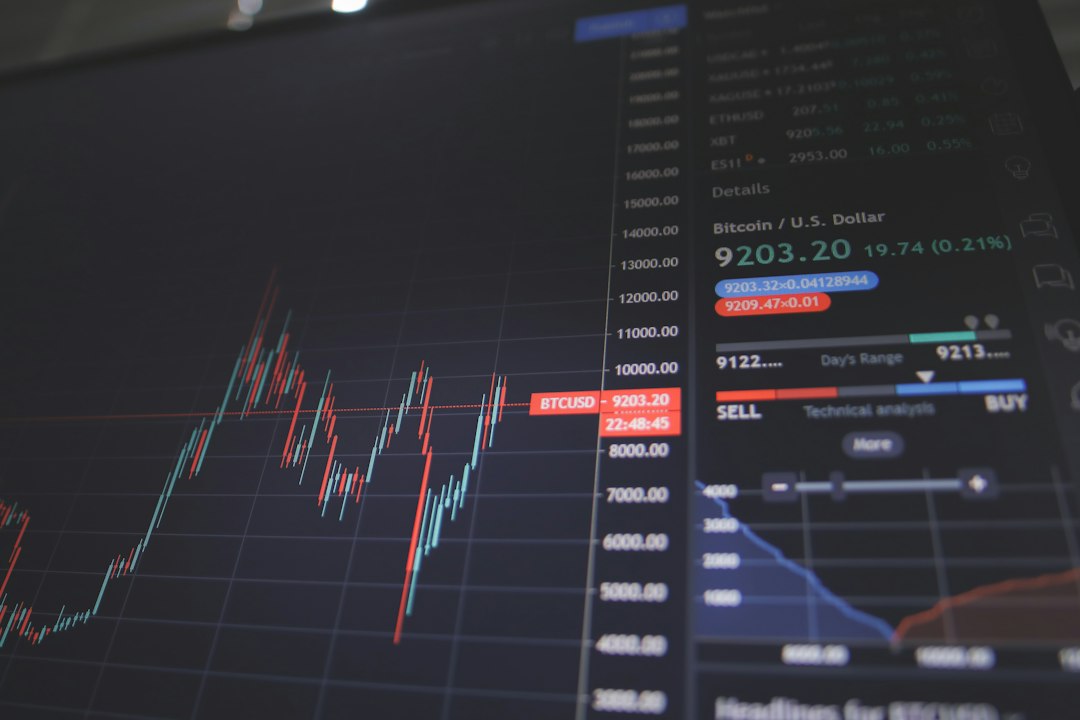
    screen showing bitcoin trading chart
    Photo by Nick Chong on Unsplash

    Background

    According to Hankyoreh, the ruling party had been reluctant to regulate AI during the past two years, citing competition with China, even as voters dealt with rising electricity and water costs and noise linked to rapidly expanding data centers. The report said this frustration contributed to the backlash seen in the midterms. It also noted that AI industry figures, including SpaceX CEO Elon Musk, had donated heavily to Republican candidates seen as friendly to the industry, but this spending did not prevent the wave of Democratic wins tied to regulatory platforms.

    Brookings Institution senior fellow Darrell West told The New York Times, as cited by Hankyoreh, that he expects new rules and oversight to arrive “like a tsunami.” This suggests analysts anticipate a notable shift in the regulatory environment facing AI developers in the coming period.

    What to watch

    Observers will likely track whether newly elected Democratic officials in Ohio, Michigan and Texas follow through on campaign pledges to restrict or tax data center construction, and how this affects projects such as OpenAI’s planned Pike County facility. Market watchers may also continue to monitor DBS’s volatility warning as a signal of how investors are pricing in political risk tied to AI policy. This suggests that both regulatory decisions and investor sentiment will remain closely linked in the months ahead.

    Frequently asked questions

    Why are markets reacting to the US midterm results?

    DBS Group Holdings' chief warned of continued equity market volatility after Democrats took control of the Senate and House, according to Nikkei Asia, as investors weigh political uncertainty.

    What happened with the local data center votes?

    Alongside the midterms, 41 ballot measures on data centers were held in 10 states, and 40 of them favored restricting or regulating construction, per CNBC as reported by The Hankyoreh.

    Could this affect OpenAI's Ohio project?

    OpenAI's planned data center in Pike County, Ohio faces a less certain outlook after Democrats won both the state's Senate and governor's races, according to Hankyoreh.

    Sources

    This article was prepared with AI assistance from the reports listed above and automatically checked against them. See About for how we work.
  • Why South Korea Is Delaying Its Crypto Tax Again, to 2029

    Why South Korea Is Delaying Its Crypto Tax Again, to 2029

    South Korea’s finance ministry wants to put off taxing cryptocurrency profits for another two years, moving the planned start date to 2029 instead of 2027. Finance Minister Lee Hyoung-il announced the shift at a briefing on Nov. 5, according to Yonhap, in what would be the fourth time Seoul has pushed back the long-promised levy.

    man in blue dress shirt sitting on rolling chair inside room with monitors
    Photo by Austin Distel on Unsplash
    Key facts

    • Finance Minister Lee Hyoung-il said Nov. 5 that Seoul will push the start of crypto gains taxation back two years, from 2027 to 2029, according to Yonhap.
    • If approved, this would mark the fourth postponement since the tax was first legislated in 2020 for a planned 2022 rollout, Yonhap reported.
    • Under the pending rules, a 22% levy (including local income tax) would apply to yearly crypto profits above 2.5 million won, roughly $1,869–$1,900, per Korea Times and Yonhap.
    • The government cited the 2029 start of virtual-asset information sharing with the United States and pending changes under the proposed Digital Asset Basic Act as reasons for the delay, Yonhap and Korea Times reported.
    • Ruling Democratic Party of Korea chief Kim Min-seok had formally asked for another postponement just a day before the minister's announcement, according to Korea Times.

    What happened

    Speaking in Seoul, Lee said his ministry intends to work with lawmakers to formally postpone the tax, which was originally legislated in 2020 and had been due to take effect in 2022 before three earlier delays, Yonhap reported. He acknowledged the difficulty of asking for yet another extension after so many previous ones, per Yonhap’s account of his remarks.

    The timing is notable: the announcement came roughly a month after officials had reaffirmed plans to move forward with the tax as scheduled, and just one day after Kim Min-seok, chairman of the ruling Democratic Party of Korea, publicly called for another delay, according to Korea Times.

    Under the rules awaiting implementation, profits from selling or lending digital assets would be treated as miscellaneous income. Gains above an annual threshold of 2.5 million won — about $1,869 to $1,900, depending on the source — would face a combined rate of 22%, covering both national and local income tax, once deductions for acquisition costs and related expenses are applied, per Korea Times and Yonhap.

    Why it matters

    Repeated delays raise questions about how predictable and credible Korean tax policy is, a concern Korea Times says critics have voiced alongside suspicions of political motives behind the latest reversal. For investors and exchanges, the shifting timeline makes it harder to plan for compliance costs or adjust trading strategies.

    The finance ministry frames the delay differently, saying in a statement cited by Yonhap that the goal is to preserve the basic principle that crypto income should eventually be taxed, while improving how both domestic and cross-border transactions are assessed and making the system fairer for taxpayers overall.

    people walking on gray concrete pathway near green and brown building during daytime
    Photo by Markus Winkler on Unsplash

    Background

    A major driver behind the new timeline is an international arrangement: South Korea is set to begin exchanging virtual-asset transaction data with the United States starting in 2029. Officials argued that taxing crypto gains domestically before that information-sharing system is active could leave Korean exchanges and investors at a competitive disadvantage compared with overseas platforms, according to both Korea Times and Yonhap.

    The government also pointed to an in-progress Digital Asset Basic Act, which is expected to redefine how digital assets and service providers are classified and regulated. Finalizing that broader framework first, officials said, would make the eventual tax rules more coherent.

    What to watch

    The finance ministry plans to set up a joint public-private working group to iron out technical details, refine filing procedures, and develop clearer rules for different types of crypto transactions, Yonhap reported. That group is expected to hold its first meeting soon, with discussions continuing through the first half of next year.

    Separately, the government is considering letting investors carry forward crypto losses to offset future taxable gains, within a three-year limit — a mechanism similar to practices in the United States and the United Kingdom, according to Yonhap. Legislative amendments covering the delay are expected to go before the National Assembly during its regular 2027 session.

    Our read: with tax-sharing deadlines and new regulatory frameworks both tied to 2029, officials are betting that aligning the tax rollout with those milestones will outweigh the political cost of a fourth postponement. Whether lawmakers and the public accept that trade-off may shape how much credibility future tax timelines carry.

    Frequently asked questions

    When would South Korea's crypto tax now take effect?

    The finance ministry wants the levy to begin in 2029 instead of 2027, pending approval from the National Assembly, according to Yonhap.

    How much tax would investors pay once it starts?

    Annual crypto profits exceeding 2.5 million won (about $1,869–$1,900) would be taxed at 22%, including local income tax, per Korea Times and Yonhap.

    Why is the government delaying the tax again?

    Officials point to the 2029 start of tax-data sharing with the U.S. and the need to finalize rules under a planned digital asset law, Yonhap reported.

    Sources

    This article was prepared with AI assistance from the reports listed above and automatically checked against them. See About for how we work.
  • South Korea Lands Record $2B in Foreign Investment Pledges

    South Korea Lands Record $2B in Foreign Investment Pledges

    Seven global companies pledged a combined $2 billion in new investment projects at the Invest Korea Summit 2026, marking the largest total in the event’s 22-year history, according to The Korea Herald. The three-day forum, held at the Grand InterContinental Seoul Parnas starting Nov. 4, drew roughly 2,000 participants, including representatives from 267 foreign-invested companies, BusinessKorea reported.

    a group of people working in a factory
    Photo by TruckRun on Unsplash
    Key facts

    • Seven global companies pledged a combined $2 billion at Invest Korea Summit 2026, the largest total in the event's 22-year history, according to The Korea Herald
    • The three-day summit opened Nov. 4 at the Grand InterContinental Seoul Parnas and drew about 2,000 participants, including representatives from 267 foreign-invested firms, per BusinessKorea
    • About 97% of the pledged amount, roughly $1.97 billion, is directed toward projects outside the Seoul metropolitan area, The Korea Herald reported
    • Foreign investment accounts for 21% of South Korea's exports and 6% of its employment, according to BusinessKorea
    • Pledging companies include Air Liquide, Amkor Technology, Henkel, Tokyo Electron, Enscale, Gurīn Energy and Deep Wind Offshore, spanning semiconductors, AI infrastructure and renewable energy

    What happened

    The summit is South Korea’s largest government-organized investor relations event, run by KOTRA. Sources differ slightly on the government body involved: BusinessKorea credits the Ministry of Trade, Industry and Energy as host, while The Korea Herald names the Ministry of Trade, Industry and Resources, though both agree KOTRA organized the gathering.

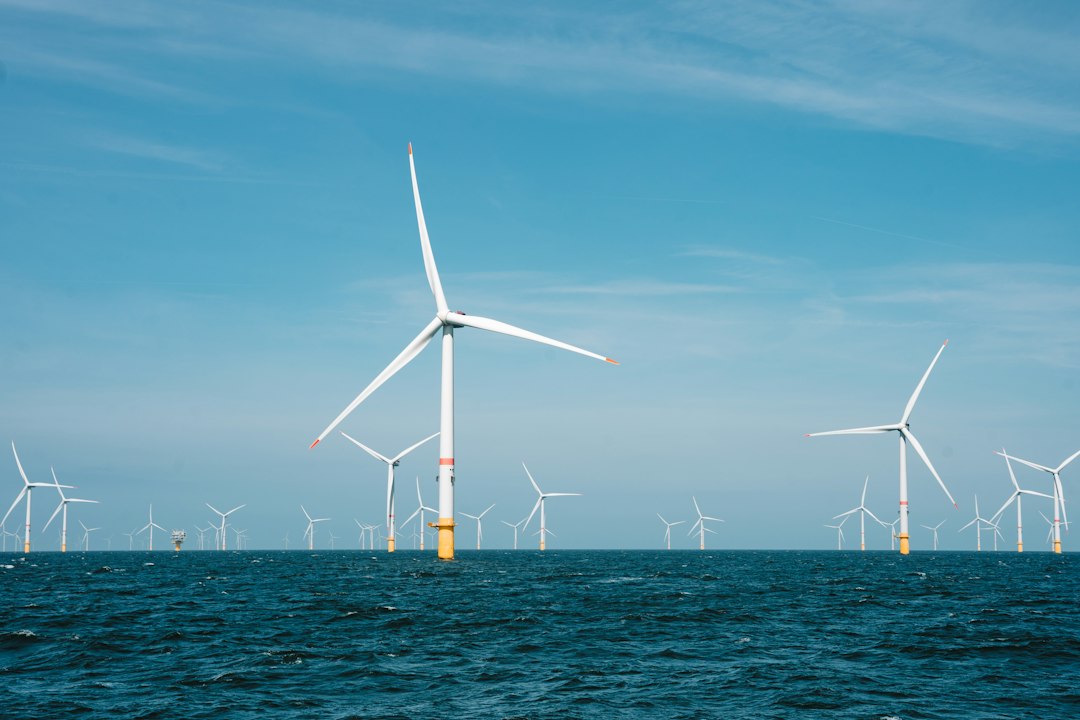
    Among the companies disclosing projects were France’s Air Liquide, which plans a specialty gas production facility, and U.S.-based Amkor Technology, which will expand an advanced packaging plant at its Gwangju site. Germany’s Henkel intends to open a materials research and development center, while Japan’s Tokyo Electron will build a plant for semiconductor equipment and materials. The U.K.’s Enscale confirmed plans for an AI data center, and Singapore’s Gurīn Energy along with Norway’s Deep Wind Offshore each committed to renewable energy projects covering solar, wind and offshore wind power generation. BusinessKorea also noted that Edwards, Valeo and Ibiden plan to set up or expand research centers tied to future mobility and advanced materials, deepening technological cooperation with Korean partners.

    Why it matters

    Foreign investment already plays a substantial role in South Korea’s economy, accounting for 21% of exports and 6% of employment, per BusinessKorea. The latest pledges reinforce that position while targeting industries the government has flagged as strategic: semiconductors, AI infrastructure and clean energy.

    A notable feature of this year’s commitments is their geographic spread. About 97% of the pledged amount, close to $1.97 billion, is slated for projects outside the Seoul metropolitan area, according to The Korea Herald. Our read: this pattern aligns with long-standing government efforts to steer investment and jobs toward regions beyond the capital, where economic activity has traditionally lagged.

    a group of wind turbines in the ocean
    Photo by Jesse De Meulenaere on Unsplash

    Background

    Invest Korea Summit has run for over two decades as the country’s flagship platform for courting international capital. It brings together domestic and overseas business leaders, foreign-invested firms, and government officials to discuss opportunities and showcase policy incentives. Local governments reportedly compete actively to attract these projects to their regions, reflecting the broader push to diversify investment beyond the greater Seoul area.

    This year’s discussions also touched on global industrial trends. Panelists at the conference reportedly agreed that rising semiconductor demand, driven by the expansion of artificial intelligence, along with the need for reliable clean energy supplies, would open fresh opportunities in the South Korean market. Experts in attendance also praised the country’s manufacturing infrastructure as a draw for international investors, according to BusinessKorea.

    What to watch

    The coming months will show how quickly these pledged projects move from announcement to construction, particularly the semiconductor equipment and advanced packaging facilities tied to Tokyo Electron and Amkor Technology. Observers will also be watching whether the heavy regional tilt in this round of investment translates into visible economic activity outside Seoul, a goal officials have repeatedly emphasized.

    Beyond individual projects, the summit’s record-setting total may serve as a benchmark for future editions of the event, testing whether South Korea can sustain or build on this level of foreign commitment in sectors central to its industrial strategy.

    Frequently asked questions

    How much investment did South Korea secure at the summit?

    Seven global companies pledged a combined $2 billion, which The Korea Herald called the largest commitment total in the 22-year history of the Invest Korea Summit.

    Which sectors attracted the most interest?

    Pledges concentrated in semiconductors, advanced materials, AI data infrastructure and renewable energy, with firms like Air Liquide, Amkor Technology, Tokyo Electron, Enscale, Gurīn Energy and Deep Wind Offshore named as participants, according to BusinessKorea.

    Where will the investments be located?

    About 97% of the pledged funds, close to $1.97 billion, are earmarked for projects outside the Seoul metropolitan area, The Korea Herald reported.

    Sources

    This article was prepared with AI assistance from the reports listed above and automatically checked against them. See About for how we work.
  • POSCO Future M, Hyundai Eye Vietnam Battery Anode Plant Deal

    POSCO Future M, Hyundai Eye Vietnam Battery Anode Plant Deal

    South Korean battery materials maker POSCO Future M and Hyundai Motor Group have signed a letter of intent covering a synthetic graphite anode plant in Vietnam, with Hyundai weighing an equity stake worth 100 billion won, according to BusinessKorea and The Korea Herald. BusinessKorea converts that sum to about $72.7 million, while The Korea Herald puts it at roughly $74.4 million.

    a line of electrical equipment in a factory
    Photo by Homa Appliances on Unsplash
    Key facts

    • POSCO Future M and Hyundai Motor Group signed a letter of intent on Nov. 3 covering a synthetic graphite anode project in Vietnam, according to BusinessKorea and The Korea Herald.
    • Hyundai is considering an equity stake worth 100 billion won, reported as about $72.7 million by BusinessKorea and about $74.4 million by The Korea Herald.
    • If the investment goes through, Hyundai would gain priority purchasing rights for anode material made at the plant.
    • POSCO Future M has already begun building the facility in Thai Nguyen, Vietnam, and is aiming for mass production by 2028.
    • The companies say this builds on a cooperation agreement from April of last year covering steel and battery materials.

    What happened

    The two companies finalized the agreement on Nov. 3, outlining Hyundai’s potential investment in POSCO Future M’s Vietnam-based synthetic graphite anode material business, both outlets reported. Should the investment proceed, Hyundai would be granted priority purchasing rights for the anode materials manufactured at the site. The firms also plan to work together on early-stage product development and quality testing aimed at meeting the demands of higher-performance electric vehicles, according to the reports.

    Why it matters

    Synthetic graphite anodes are valued in battery production because they can improve fast-charging ability and extend battery lifespan compared with natural graphite alternatives, per BusinessKorea. Securing a steady supply of this material has become more pressing as rules like the foreign entity of concern requirements in the United States and the European Union’s Industry Acceleration Act push companies to diversify where they source battery components, the outlet noted.

    For POSCO Future M, bringing in a major automaker as an investor could help it move faster on expanding production capacity abroad. For Hyundai, locking in a supply line and buying priority for a key EV material could support its push to localize and secure battery inputs outside of existing supply chains.

    electric vehicle charging cable plugged into car
    Photo by CHUTTERSNAP on Unsplash

    Background

    This latest step follows an earlier cooperation agreement the two companies struck in April of last year, which focused on joint work across steel production and secondary battery materials, according to BusinessKorea. The companies describe the new Vietnam initiative as part of a broader effort to deepen their partnership as global trade rules shift and industries adjust their supply networks.

    POSCO Future M has already started construction on the anode plant in Thai Nguyen, Vietnam, with mass production targeted for 2028, per BusinessKorea’s reporting. The company says it has lined up customer contracts covering the first phase of investment and is now working on a second phase of funding for the project.

    What to watch

    Whether Hyundai’s roughly $74 million stake becomes final will depend on further steps beyond this letter of intent, which is a preliminary, non-binding agreement rather than a signed investment contract. Progress on POSCO Future M’s second-phase funding, along with how the Thai Nguyen plant’s construction timeline unfolds toward the 2028 production goal, will likely shape how this partnership develops.

    Our read: the deal reflects a broader pattern among Korean manufacturers of locking in battery material supply through direct investment rather than relying solely on long-term purchase contracts, a response to tightening rules on where EV supply chains can source critical components.

    Frequently asked questions

    What did POSCO Future M and Hyundai Motor Group agree to?

    On Nov. 3 they signed a letter of intent for Hyundai to consider investing in POSCO Future M's synthetic graphite anode material project in Vietnam, according to BusinessKorea and The Korea Herald.

    How much might Hyundai invest?

    The proposed stake is valued at 100 billion won, which outlets converted to roughly $72.7 million (BusinessKorea) or $74.4 million (The Korea Herald).

    What would Hyundai get in return?

    If the deal is finalized, Hyundai would secure priority purchasing rights for the anode materials produced at the Vietnam facility, per the source reports.

    Sources

    This article was prepared with AI assistance from the reports listed above and automatically checked against them. See About for how we work.
  • LG Energy Solution’s Q3 Profit Jumps 26% on Storage Demand

    LG Energy Solution’s Q3 Profit Jumps 26% on Storage Demand

    LG Energy Solution said its operating profit climbed 25.7 percent in the third quarter to 756 billion won ($564 million), as rising orders for large-scale battery storage systems in North America combined with a rebound in electric vehicle battery sales, according to the Korea Herald and the Korea Times.

    a factory with a lot of machines in it
    Photo by Homa Appliances on Unsplash
    Key facts

    • LG Energy Solution's third-quarter operating profit reached 756 billion won ($564 million), a 25.7 percent increase from a year earlier, according to the Korea Herald and the Korea Times.
    • Quarterly sales hit a record 9.64 trillion won ($7.2 billion), up 59 percent year-on-year and 27.6 percent from the prior quarter, the Korea Times reported.
    • The operating margin for the quarter stood at 7.8 percent, per the Korea Times.
    • Around 417 billion won of the result came from US manufacturing incentives; stripping that out, operating profit was 339.1 billion won, the Korea Herald noted.
    • The company raised its full-year revenue growth forecast to 35-40 percent, up from an earlier midteens-to-20-percent range, according to the Korea Times.

    What happened

    The South Korean battery maker posted record quarterly sales of 9.64 trillion won ($7.2 billion), a 59 percent jump from the same period last year and a 27.6 percent increase from the previous quarter, the Korea Times reported. The operating margin for the quarter came in at 7.8 percent.

    Roughly 417 billion won of that profit reflected incentives the company received for battery production in North America under US clean-manufacturing policy. With that amount set aside, operating profit for the quarter was 339.1 billion won, which the Korea Herald described as evidence that the underlying battery business is becoming more profitable on its own. Beyond storage batteries, the company pointed to stronger shipments of higher-voltage, medium-nickel pouch cells for electric vehicles, along with steady output of its newer cylindrical battery formats, as additional growth drivers. CFO Lee Chang-sil said results also benefited from improved operations at the firm’s Polish factory and better efficiency at newly opened storage-battery production lines.

    Why it matters

    The results suggest that battery demand tied to renewable energy storage is becoming a bigger profit driver for LG Energy Solution, not just a side business supporting its core EV battery operations. Our read: this diversification could help cushion the company against swings in EV sales, which have been uneven in some markets this year.

    The scale of the jump in sales and profit also signals that the North American storage market is expanding quickly enough to reshape how the company allocates production capacity between EV batteries and grid-storage units.

    green and grey transmission tower during nighttime
    Photo by American Public Power Association on Unsplash

    Background

    Battery makers in South Korea have increasingly looked to energy storage systems as a growth area alongside electric vehicles, since such systems are used to store power from renewable sources and stabilize electricity grids. Demand for this kind of technology has been rising in markets that are expanding renewable power capacity, giving battery suppliers a new revenue stream beyond the auto industry.

    LG Energy Solution has also benefited from government support tied to domestic battery manufacturing in North America, which has helped offset cost pressures as the company scales up newer production sites.

    What to watch

    Following the strong quarter, LG Energy Solution raised its full-year revenue growth forecast to a range of 35 to 40 percent, up from its earlier projection of midteens to 20 percent growth, the Korea Times reported. The company said it still expects its operating margin to stay in the mid-single-digit range for the year.

    Investors and industry watchers will likely focus on whether the company’s storage-system shipments keep accelerating into the fourth quarter, and whether EV battery demand continues to recover at a similar pace, according to the outlook detailed in the Korea Times report.

    Frequently asked questions

    Why did LG Energy Solution's profit rise so sharply in the third quarter?

    The increase was driven by stronger orders for grid-scale battery storage in North America and a recovery in electric vehicle battery sales, according to the Korea Herald and Korea Times.

    How much of the profit came from US government incentives?

    About 417 billion won came from North American manufacturing incentives; excluding that amount, operating profit was 339.1 billion won, the Korea Herald reported.

    Did the company change its outlook for the rest of the year?

    Yes, LG Energy Solution raised its full-year revenue growth target to 35-40 percent from a prior forecast of midteens to 20 percent, while keeping its operating margin goal in the mid-single digits, per the Korea Times.

    Sources

    This article was prepared with AI assistance from the reports listed above and automatically checked against them. See About for how we work.