A new survey shows that 92% of South Korean companies operating in Vietnam intend to keep their businesses running there, even as labor costs climb sharply, according to the Korea International Trade Association (KITA), as reported by Yonhap and The Korea Times.
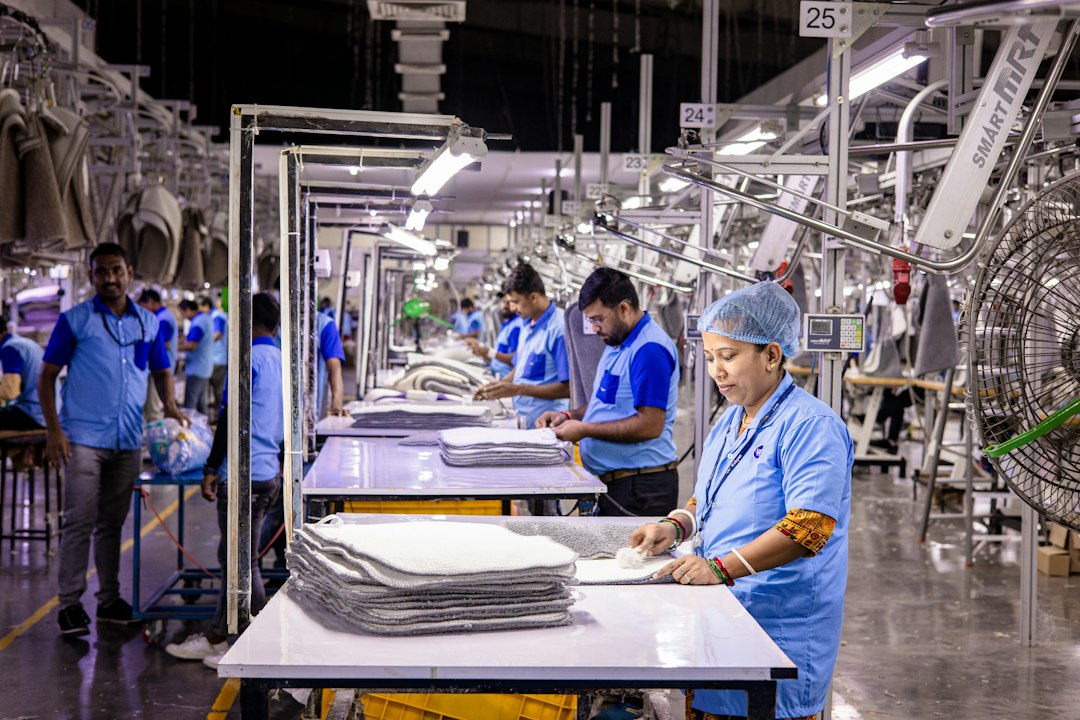
- 92% of Korean companies in Vietnam said they have no plans to withdraw, according to a survey by the Korea International Trade Association (KITA), as reported by Yonhap and The Korea Times.
- 87.5% of respondents named Vietnam's cost advantage over other countries as their main reason for staying.
- Vietnam's monthly minimum wage rose from $45.4 in 2010 to $205.3 in 2024, a more than 4.5-fold increase, per KITA.
- Wages climbed by an average of 11.4% a year over that 14-year period, the fastest pace among major Asian economies, KITA said.
- Nearly 60% of surveyed firms expect their Vietnam operations to improve over the next three to five years, versus 12.4% who expect a decline.
What happened
The survey, released on a Sunday, found that more than nine out of ten Korean firms in Vietnam have no plans to pull out of the Southeast Asian country. Among those planning to stay, 87.5% pointed to Vietnam’s cost advantage relative to other countries as their primary reason, KITA reported.
The finding comes even though wages in Vietnam have risen steeply in recent years. KITA noted that the monthly minimum wage for Vietnamese workers grew more than 4.5 times, from $45.4 in 2010 to $205.3 in 2024. That works out to an average annual increase of 11.4% over the 14-year span, which the trade association described as the fastest pace of wage growth among major economies in Asia.
Why it matters
The results suggest that despite higher labor costs and added regulatory pressures, Vietnam continues to offer Korean businesses a cost structure that remains attractive compared with alternatives elsewhere. This matters because Vietnam has become a key manufacturing and investment base for Korean companies, and large-scale shifts in sentiment could affect broader economic ties between the two countries.
Our read: the fact that cost advantage remains the top reason for staying, even amid rapid wage growth, indicates that Vietnam’s overall cost base is still seen as competitive on a relative basis—not necessarily cheap in absolute terms, but cheaper than other options firms are weighing.

Background
Korean firms have built a significant presence in Vietnam over the past decade, drawn by lower costs and a young workforce compared with other manufacturing hubs in the region. Vietnam’s economy has grown rapidly during this period, and rising wages are often a natural byproduct of that kind of expansion and increased demand for skilled labor.
The KITA survey also captured sentiment about where this relationship is headed. Nearly 60% of the companies surveyed said they expect their operations in Vietnam to improve over the next three to five years, far outnumbering the 12.4% who held a pessimistic view. A majority of respondents also said they see Vietnam continuing to serve as a global business hub going forward, reflecting continued confidence in the country’s role in regional and international trade networks.
What to watch
KITA has advised companies with operations in Vietnam to reassess their cost structures and adjust their business practices as the country’s economic environment continues to evolve. How firms respond to this guidance—whether through operational changes, shifts in sourcing, or adjustments to their workforce strategies—will likely shape how sustainable this high level of commitment to Vietnam proves to be.
Both Yonhap and The Korea Times reported the survey’s findings in close alignment, with no notable differences in the figures or conclusions presented. As wage growth in Vietnam continues, it will be worth watching whether the share of companies citing cost advantage as their main reason for staying shifts in future surveys, and whether optimism about the three-to-five-year outlook holds steady.
Frequently asked questions
What did the KITA survey find about Korean companies in Vietnam?
It found that 92% of Korean firms operating in Vietnam plan to keep their businesses there despite rising labor costs and regulatory burdens, according to Yonhap and The Korea Times.
Why are Korean firms staying despite higher wages?
87.5% of respondents cited Vietnam's cost advantage compared with other countries as the main reason for remaining, per the KITA survey.
How much have wages in Vietnam risen?
The monthly minimum wage grew from $45.4 in 2010 to $205.3 in 2024, an average annual increase of 11.4%, which KITA says is the fastest among major Asian economies.
Sources
- The Korea Times: 92% of Korean firms in Vietnam wish to stay despite rising labor costs: survey
- Yonhap News: 92 pct of S. Korean firms in Vietnam wish to stay despite rising labor costs: survey
This article was prepared with AI assistance from the reports listed above and automatically checked against them. See About for how we work.
Leave a Reply