Tag: south korea

  • Why Nvidia CEO’s Daughter Skipped Her Seoul Trip

    Why Nvidia CEO’s Daughter Skipped Her Seoul Trip

    Madison Huang, a senior director at Nvidia and the eldest daughter of company CEO Jensen Huang, has scrapped a trip to South Korea that had been set for this week, according to reports from Yonhap, The Korea Herald and The Korea Times.
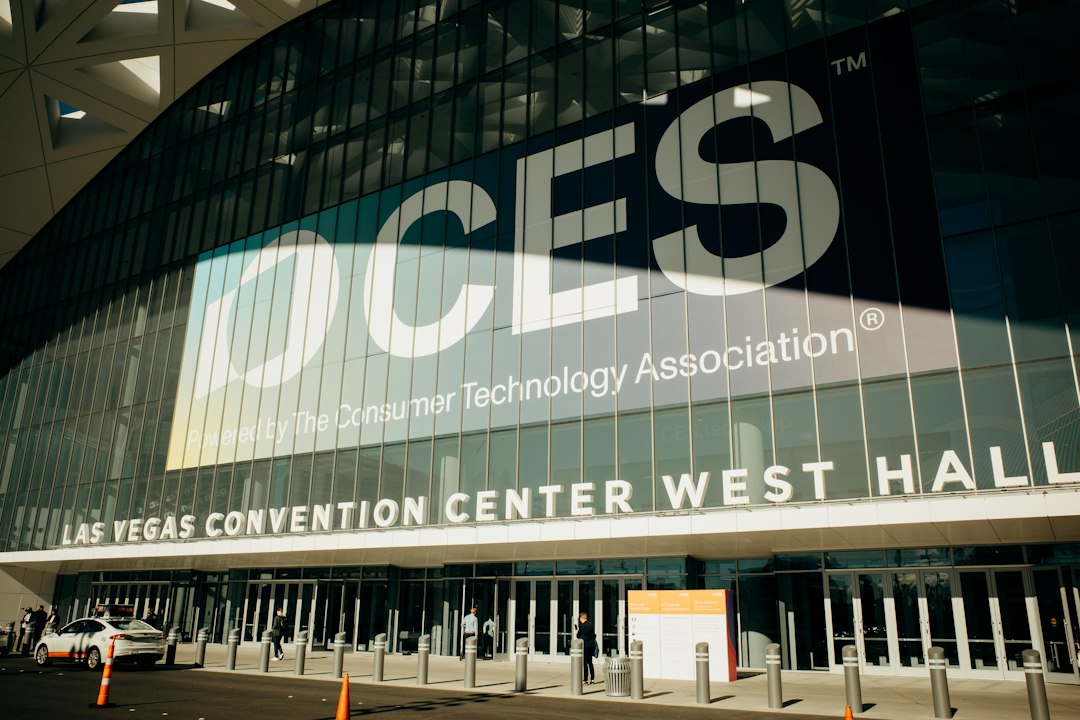
    Las vegas convention center west hall with ces logo
    Photo by Florian Schindler on Unsplash
    Key facts

    • Madison Huang, a senior director at Nvidia and the eldest daughter of CEO Jensen Huang, canceled a planned trip to South Korea, according to Yonhap, The Korea Herald and The Korea Times.
    • She had been expected to arrive Sunday for the two-day Nvidia AI Day Seoul 2026 gathering at Seoul's COEX center and to meet South Korean government officials.
    • Sources told local outlets the trip was called off over family issues, without giving further detail.
    • Some industry observers reportedly link the cancellation to foreign media claims that U.S. intelligence officials suspect a woman once close to Jensen Huang of spying for China, though this is unconfirmed.
    • The Nvidia-organized event is still expected to go ahead without her, sources said.

    What happened

    She had been scheduled to land in South Korea on Sunday ahead of a two-day Nvidia-organized gathering called AI Day Seoul 2026, held at the COEX convention venue in Seoul, where she was also due to hold talks with South Korean government officials. Unnamed sources told local news outlets that the trip was pulled because of family issues, though they did not elaborate further. Yonhap reported that the decision is believed to stem from these personal matters, while noting it could not independently verify additional details. Despite her absence, organizers intend to carry on with the event as originally planned, according to the sources.

    Why it matters

    Huang’s visits typically carry weight because they signal how closely Nvidia is coordinating with South Korean partners as the country’s chipmakers and tech firms expand their role in the global AI supply chain. Her sudden withdrawal, even without a clear public explanation, has drawn attention partly because of unrelated overseas reporting. The Korea Times and Yonhap both noted that some industry watchers are speculating her cancellation could be connected to foreign media accounts claiming that U.S. intelligence officials suspect a woman who was once romantically involved with Jensen Huang of acting as an intelligence asset for China. None of the outlets confirmed any link between that reporting and her canceled trip, and it remains speculative.
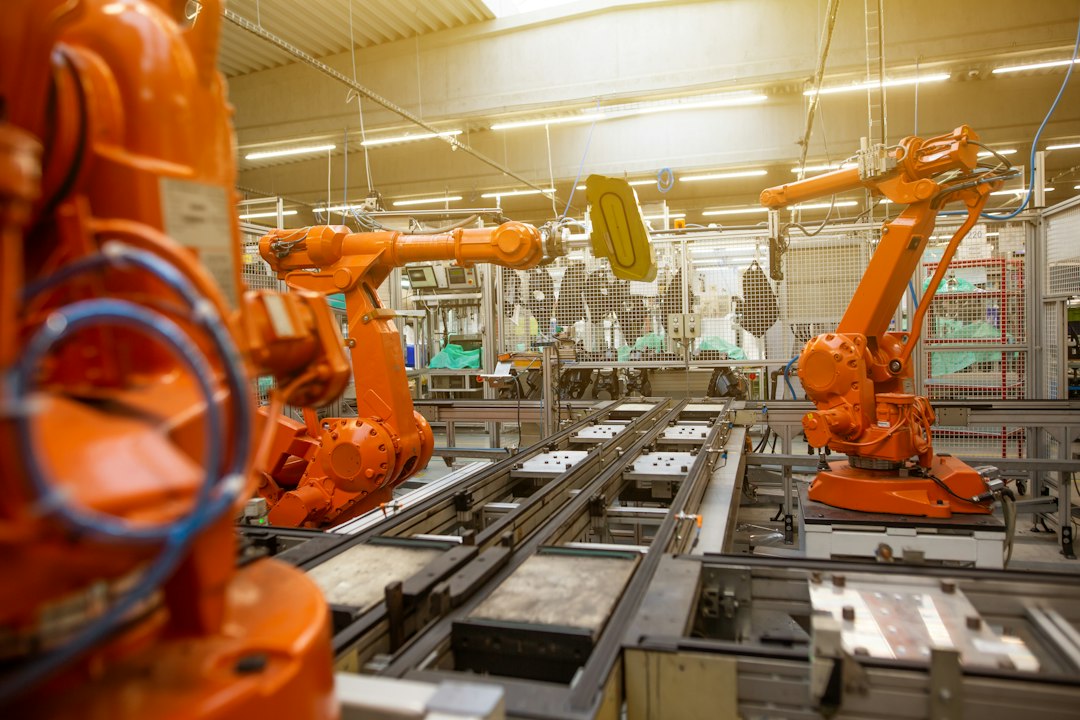
    a large machine in a factory with people working on it
    Photo by Homa Appliances on Unsplash

    Background

    Madison Huang has made previous appearances in South Korea tied to Nvidia’s business dealings there. In August, she toured a facility that LG Electronics is building in Seoul’s Seocho district, where she was welcomed with a bouquet presented by one of LG’s home robots. Earlier, in June, she visited SK Group’s headquarters in Seoul and met with the company’s chairman, Chey Tae-won. These appearances reflect Nvidia’s deepening engagement with major South Korean conglomerates as the country positions itself as a hub for chip production and AI infrastructure.

    Our read: such visits by Nvidia executives, including members of the Huang family, have increasingly served as informal markers of how central South Korean firms have become to the company’s hardware and AI ambitions. A last-minute cancellation, even for private reasons, can draw outsized attention simply because of that symbolic role.

    What to watch

    It remains to be seen whether Nvidia or the Huang family will offer any public comment clarifying the reason behind the canceled trip. Observers will also be watching whether the AI Day Seoul 2026 event proceeds smoothly without her participation, and whether further reporting emerges connecting the cancellation to the broader espionage allegations circulating in foreign media. For now, South Korean outlets agree on the basic sequence of events but differ in how much weight they give to the spy-related speculation, treating it explicitly as unconfirmed.

    Frequently asked questions

    Who is Madison Huang?

    She is a senior director at Nvidia and the eldest daughter of company CEO Jensen Huang, according to The Korea Herald.

    Why did she cancel her South Korea trip?

    Sources cited by Yonhap and other outlets said it was due to family issues, though no details were disclosed.

    Will the Nvidia event in Seoul still happen?

    Yes, sources said the Nvidia AI Day Seoul 2026 event at COEX is expected to proceed as planned despite her absence.

    Sources

    This article was prepared with AI assistance from the reports listed above and automatically checked against them. See About for how we work.
  • Mirae Asset Securities Breach Hits Data of 39,000 People

    Mirae Asset Securities Breach Hits Data of 39,000 People

    Mirae Asset Securities, South Korea’s largest brokerage, said Saturday that intruders had gained unauthorized entry into its systems, exposing information connected to around 39,000 people, according to Yonhap and The Korea Herald.

    a large glass building sitting under a cloudy sky
    Photo by Bank OZK on Unsplash
    Key facts

    • Mirae Asset Securities disclosed on Saturday that data linked to roughly 39,000 people had been exposed, according to Yonhap and The Korea Herald.
    • About 3,800 customer account numbers were among the compromised records, the firm said.
    • Information on more than 35,000 current and former staff and contractors — including names, ID numbers, emails, phone numbers and passwords — was also exposed, Yonhap reported.
    • The firm said it cut off the affected access points and alerted three financial regulators after spotting the intrusion.
    • Korea Times noted the incident followed a similar leak days earlier at sister firm Mirae Asset Life Insurance, part of a broader wave of financial-sector breaches.

    What happened

    The firm said outside parties broke into two separate systems on consecutive days — first its mobile authentication login tool, then an internal network — allowing them to pull data out. Roughly 3,800 customer account numbers were taken, Yonhap reported, alongside records belonging to more than 35,000 people connected to the company as current or former staff members and outside contractors.

    For that second group, the exposed material reportedly spanned full names, internal staff identification numbers, contact emails, mobile numbers and login passwords, according to Korea Herald and Korea Times accounts.

    Why it matters

    Mirae Asset holds a leading position among Korean brokerages, so an intrusion of this scale raises concerns about how well large financial institutions are guarding both client and workforce data. Exposed passwords and contact details can open the door to follow-up scams such as impersonation attempts or phishing messages aimed at those affected.

    Our read: the fact that both customer and internal employee systems were breached within a two-day window points to a coordinated effort rather than an isolated glitch, underscoring why regulators are watching the financial sector’s cyber defenses closely right now.

    cable network
    Photo by Taylor Vick on Unsplash

    Background

    Mirae Asset told Yonhap it noticed unusual activity coming from outside IP addresses, moved quickly to seal off the compromised pathways, and switched on its internal emergency protocol. It also notified South Korea’s main financial watchdogs — the body overseeing financial policy, the one supervising financial institutions, and the agency responsible for personal data protection — about the incident.

    According to Korea Times and Yonhap, this episode came only days after Mirae Asset Life Insurance, a related firm within the same corporate group, reported a comparable leak of its own. Citing the Financial Services Commission, Yonhap noted that over the past month more than 470,000 personal records have leaked across 37 financial firms, with stolen funds estimated around 1 billion won, roughly $745,000. Regulators said that since late September, 40 separate leak cases have surfaced at those 37 companies, covering four commercial banks, five financial investment firms, three insurers and five savings banks.

    What to watch

    Whether Mirae Asset’s containment steps prevent further misuse of the leaked credentials remains to be seen, and regulators may release more detail as their review continues. Given that several financial firms have now reported similar intrusions within weeks of each other, further disclosures from other companies in the sector would not be surprising.

    This suggests authorities could move toward tighter rules on how brokerages and insurers secure login systems and internal databases, though no such measures have been announced yet based on current reporting.

    Frequently asked questions

    How many people were affected by the Mirae Asset Securities breach?

    The company said data tied to about 39,000 people was exposed, including roughly 3,800 customer account numbers and records for more than 35,000 staff and contractors, according to Yonhap.

    What kind of information was exposed?

    For employees and contractors, the leaked items included names, staff ID numbers, email addresses, phone numbers and passwords, per Korea Herald and Yonhap reporting.

    What has Mirae Asset done since discovering the breach?

    It said it shut down the compromised entry points, triggered its internal crisis response procedure, and informed Korea's financial oversight bodies, according to Yonhap.

    Sources

    This article was prepared with AI assistance from the reports listed above and automatically checked against them. See About for how we work.

  • Seoul Court Pauses $147 Million Data-Collection Fine on Coupang

    Seoul Court Pauses $147 Million Data-Collection Fine on Coupang

    The Seoul Administrative Court has put a temporary hold on a 201.16 billion won ($147.74 million) fine against Coupang Corp., the penalty tied to the company’s unauthorized gathering of user browsing data. A separate, much larger fine linked to a major data breach was not given the same relief, according to Yonhap and The Korea Times.

    a toy shopping cart
    Photo by Shutter Speed on Unsplash
    Key facts

    • The Seoul Administrative Court suspended a 201.16 billion won ($147.74 million) penalty against Coupang on Friday, according to Yonhap and The Korea Times.
    • The fine was tied to Coupang reportedly gathering browsing activity from roughly 11.17 million users and keeping it in its systems without their permission.
    • A separate, far larger 423.6 billion won penalty linked to a data breach that hit more than 37 million accounts was not suspended; a different court panel rejected that injunction request a day earlier, Yonhap reported.
    • Coupang has filed a lawsuit asking the court to cancel the smaller surcharge outright, in addition to seeking the temporary freeze.
    • The Korea Herald reported the suspension runs for 30 days from the date of the ruling, while Yonhap and The Korea Times said it lasts until 30 days after the first verdict in the main case — a detail the two reports describe differently.

    What happened

    South Korea’s Personal Information Protection Commission had ordered Coupang to pay the surcharge after finding the e-commerce company tracked the online behavior of roughly 11.17 million users and stored that information in its database without obtaining consent. Coupang responded by suing to have the surcharge canceled and simultaneously asked the court for an injunction to pause enforcement while the case plays out.

    On Friday, the court sided with Coupang on the injunction. It accepted the company’s argument that paying the fine immediately could cause harm that would be impossible to reverse later. Reports differ slightly on the exact length of the pause: Korea Herald described it as a 30-day suspension starting from the date of the ruling, while Yonhap and Korea Times reported the freeze holds until 30 days after a first verdict is reached in the underlying lawsuit.

    Why it matters

    The case highlights how aggressively South Korean regulators have pursued privacy violations at major online platforms. Coupang is one of the country’s dominant e-commerce operators, and penalties of this scale signal that regulators are willing to target large firms over how they handle customer data.

    Our read: the split outcome — one fine paused, the other left standing — suggests courts are weighing the two cases on separate merits rather than treating Coupang’s privacy troubles as a single bundle. That distinction could shape how the company approaches its legal strategy going forward.

    brown wooden tool on white surface
    Photo by Tingey Injury Law Firm on Unsplash

    Background

    Beyond the data-collection surcharge, the privacy commission separately fined Coupang 423.6 billion won over a breach that compromised information belonging to more than 37 million user accounts. Yonhap and Korea Times both describe this as the biggest single-company penalty the watchdog has ever issued.

    Coupang also sought to suspend that larger fine through an injunction, but a different panel of the Seoul Administrative Court rejected the request just a day before the ruling on the smaller case. This means Coupang currently faces the breach-related penalty without relief, even as it continues contesting the data-collection fine in a separate legal track.

    What to watch

    The core question now is how the main lawsuit over the 201.16 billion won penalty will be resolved, since that outcome will determine whether the suspended fine is ultimately overturned, reduced, or reinstated. Coupang’s parallel fight over the breach-related fine also remains unresolved, and further court filings or appeals are possible on that front as well.

    Readers following the case should watch for the first substantive ruling in the main lawsuit, since both Yonhap and Korea Times tie the length of the current suspension to that milestone. Any divergence between how the two fines are treated going forward could offer a clearer picture of how Korean courts are distinguishing between data-collection violations and breach-related failures.

    Frequently asked questions

    How much was the fine that got suspended?

    The frozen penalty totals 201.16 billion won, or about $147.74 million, according to Yonhap and The Korea Times.

    Does this affect the larger data breach fine against Coupang?

    No. That separate 423.6 billion won penalty, linked to a breach affecting more than 37 million users, remains in effect after a different court panel turned down Coupang's request to pause it.

    Why did the court agree to suspend the smaller fine?

    The Seoul Administrative Court said enforcing the penalty now could cause damage to Coupang that could not be undone later, justifying a temporary hold, per Korea Herald's account of the ruling.

    Sources

    This article was prepared with AI assistance from the reports listed above and automatically checked against them. See About for how we work.

  • South Korea Lands Record $2B in Foreign Investment Pledges

    South Korea Lands Record $2B in Foreign Investment Pledges

    Seven global companies pledged a combined $2 billion in new investment projects at the Invest Korea Summit 2026, marking the largest total in the event’s 22-year history, according to The Korea Herald. The three-day forum, held at the Grand InterContinental Seoul Parnas starting Nov. 4, drew roughly 2,000 participants, including representatives from 267 foreign-invested companies, BusinessKorea reported.

    a group of people working in a factory
    Photo by TruckRun on Unsplash
    Key facts

    • Seven global companies pledged a combined $2 billion at Invest Korea Summit 2026, the largest total in the event's 22-year history, according to The Korea Herald
    • The three-day summit opened Nov. 4 at the Grand InterContinental Seoul Parnas and drew about 2,000 participants, including representatives from 267 foreign-invested firms, per BusinessKorea
    • About 97% of the pledged amount, roughly $1.97 billion, is directed toward projects outside the Seoul metropolitan area, The Korea Herald reported
    • Foreign investment accounts for 21% of South Korea's exports and 6% of its employment, according to BusinessKorea
    • Pledging companies include Air Liquide, Amkor Technology, Henkel, Tokyo Electron, Enscale, Gurīn Energy and Deep Wind Offshore, spanning semiconductors, AI infrastructure and renewable energy

    What happened

    The summit is South Korea’s largest government-organized investor relations event, run by KOTRA. Sources differ slightly on the government body involved: BusinessKorea credits the Ministry of Trade, Industry and Energy as host, while The Korea Herald names the Ministry of Trade, Industry and Resources, though both agree KOTRA organized the gathering.

    Among the companies disclosing projects were France’s Air Liquide, which plans a specialty gas production facility, and U.S.-based Amkor Technology, which will expand an advanced packaging plant at its Gwangju site. Germany’s Henkel intends to open a materials research and development center, while Japan’s Tokyo Electron will build a plant for semiconductor equipment and materials. The U.K.’s Enscale confirmed plans for an AI data center, and Singapore’s Gurīn Energy along with Norway’s Deep Wind Offshore each committed to renewable energy projects covering solar, wind and offshore wind power generation. BusinessKorea also noted that Edwards, Valeo and Ibiden plan to set up or expand research centers tied to future mobility and advanced materials, deepening technological cooperation with Korean partners.

    Why it matters

    Foreign investment already plays a substantial role in South Korea’s economy, accounting for 21% of exports and 6% of employment, per BusinessKorea. The latest pledges reinforce that position while targeting industries the government has flagged as strategic: semiconductors, AI infrastructure and clean energy.

    A notable feature of this year’s commitments is their geographic spread. About 97% of the pledged amount, close to $1.97 billion, is slated for projects outside the Seoul metropolitan area, according to The Korea Herald. Our read: this pattern aligns with long-standing government efforts to steer investment and jobs toward regions beyond the capital, where economic activity has traditionally lagged.

    a group of wind turbines in the ocean
    Photo by Jesse De Meulenaere on Unsplash

    Background

    Invest Korea Summit has run for over two decades as the country’s flagship platform for courting international capital. It brings together domestic and overseas business leaders, foreign-invested firms, and government officials to discuss opportunities and showcase policy incentives. Local governments reportedly compete actively to attract these projects to their regions, reflecting the broader push to diversify investment beyond the greater Seoul area.

    This year’s discussions also touched on global industrial trends. Panelists at the conference reportedly agreed that rising semiconductor demand, driven by the expansion of artificial intelligence, along with the need for reliable clean energy supplies, would open fresh opportunities in the South Korean market. Experts in attendance also praised the country’s manufacturing infrastructure as a draw for international investors, according to BusinessKorea.

    What to watch

    The coming months will show how quickly these pledged projects move from announcement to construction, particularly the semiconductor equipment and advanced packaging facilities tied to Tokyo Electron and Amkor Technology. Observers will also be watching whether the heavy regional tilt in this round of investment translates into visible economic activity outside Seoul, a goal officials have repeatedly emphasized.

    Beyond individual projects, the summit’s record-setting total may serve as a benchmark for future editions of the event, testing whether South Korea can sustain or build on this level of foreign commitment in sectors central to its industrial strategy.

    Frequently asked questions

    How much investment did South Korea secure at the summit?

    Seven global companies pledged a combined $2 billion, which The Korea Herald called the largest commitment total in the 22-year history of the Invest Korea Summit.

    Which sectors attracted the most interest?

    Pledges concentrated in semiconductors, advanced materials, AI data infrastructure and renewable energy, with firms like Air Liquide, Amkor Technology, Tokyo Electron, Enscale, Gurīn Energy and Deep Wind Offshore named as participants, according to BusinessKorea.

    Where will the investments be located?

    About 97% of the pledged funds, close to $1.97 billion, are earmarked for projects outside the Seoul metropolitan area, The Korea Herald reported.

    Sources

    This article was prepared with AI assistance from the reports listed above and automatically checked against them. See About for how we work.
  • HD Hyundai Robotics Teams Up With Palantir on Physical AI

    HD Hyundai Robotics Teams Up With Palantir on Physical AI

    HD Hyundai Robotics, the robotics arm of South Korean shipbuilding conglomerate HD Hyundai, has partnered with U.S. software firm Palantir Technologies Inc. to build so-called physical AI solutions for industrial sites, the company said in a press release cited by Yonhap on Nov. 1.

    a factory filled with lots of orange machines
    Photo by Simon Kadula on Unsplash
    Key facts

    • HD Hyundai Robotics, a unit of shipbuilding conglomerate HD Hyundai, announced a partnership with Palantir Technologies Inc. on Nov. 1, according to Yonhap.
    • The companies aim to develop 'physical AI' solutions that change how engineers oversee industrial robots.
    • HD Hyundai Robotics reported that AI-agent-assisted problem solving since August cut average task time from 21.5 days to 7.9 days, a roughly 63% reduction, per BusinessKorea.
    • The company expects robot programming costs to fall by more than 50% as a result, BusinessKorea reported.
    • Palantir's Sovereignty Bootcamp in New York, where the partnership was presented, drew about 450 executives from roughly 250 organizations, according to BusinessKorea.

    What happened

    The partnership is intended to change how work is carried out on factory floors by applying physical AI, and to reshape the responsibilities of engineers who currently oversee industrial robots, according to Yonhap. The company’s technology chief, Ahn Seong-hwan, presented the plan at Palantir’s “Sovereignty Bootcamp” in New York, an event focused on strengthening AI-driven competitiveness while protecting corporate data. BusinessKorea reported that the event drew roughly 450 executives from about 250 organizations worldwide.

    At the bootcamp, Ahn laid out HD Hyundai Robotics’ approach to physical AI and detailed the progress made with Palantir so far, Yonhap reported. BusinessKorea described the core of the collaboration as a shift away from robot control that depends on experienced engineers manually adjusting speed and movement paths, toward an AI-based system in which an AI agent first analyzes robot programs and proposes improvements, with engineers then refining the results for real-world conditions.

    Why it matters

    The companies say the shift is already producing measurable gains. BusinessKorea reported that after HD Hyundai Robotics began using AI agents for problem-solving in August, the average time needed to resolve issues dropped from 21.5 days to 7.9 days, a cut of about 63%. The company also expects robot programming costs to fall by more than half as a result of the changes, according to BusinessKorea.

    Palantir Chief Revenue Officer Ryan Taylor said the two sides “started with work that can deliver measurable impact in the short term,” according to Yonhap, and added that linking HD Hyundai Robotics’ machines to Palantir’s AI platform should help create new business opportunities.

    Business meeting with people around a conference table
    Photo by Beatriz Cattel on Unsplash

    Background

    HD Hyundai is best known as a major shipbuilder, and its robotics unit has been working to expand into AI-assisted industrial automation. Palantir has positioned itself as a provider of data and AI platforms for large organizations, often emphasizing data security alongside AI deployment, which was a focus of the Sovereignty Bootcamp where this partnership was presented.

    Our read: the partnership fits a broader pattern among industrial manufacturers seeking to pair heavy machinery with AI software companies, aiming to reduce reliance on specialized human expertise for routine technical adjustments. This suggests a shift in how engineering roles may be defined at industrial sites going forward.

    What to watch

    BusinessKorea reported that HD Hyundai Robotics plans to retrain field engineers from robot installation and testing roles into what it calls “field solution experts,” who define problems and apply AI-driven fixes. The company also plans to set up a regular steering committee involving senior executives from both firms to prioritize collaborative projects and identify further use cases, according to BusinessKorea.

    Yonhap’s reporting and BusinessKorea’s account agree on the broad outline of the partnership and the New York event, though Yonhap identifies Ahn as Chief Technology Officer while BusinessKorea refers to him as an executive director. Readers interested in how this collaboration evolves should watch for further detail on specific industrial use cases as the joint steering committee begins its work.

    Frequently asked questions

    What did HD Hyundai Robotics and Palantir agree to do?

    According to Yonhap, the two companies partnered to develop physical AI solutions aimed at transforming industrial workplace operations and changing the role engineers play in managing robots.

    What results has the partnership already produced?

    BusinessKorea reported that since August, using AI agents to assist with problem solving cut average task completion time from 21.5 days to 7.9 days, a reduction of about 63%.

    Who represented HD Hyundai Robotics at the Palantir event?

    Ahn Seong-hwan, identified by Yonhap as the company's Chief Technology Officer and by BusinessKorea as an executive director, gave a keynote presentation at Palantir's Sovereignty Bootcamp in New York.

    Sources

    This article was prepared with AI assistance from the reports listed above and automatically checked against them. See About for how we work.

  • Samsung Executives Meet Sam Altman to Rethink AI Strategy

    Samsung Executives Meet Sam Altman to Rethink AI Strategy

    Roughly 50 senior executives from Samsung Group sat down with OpenAI CEO Sam Altman on Saturday, Oct. 31, for a closed-door session on how artificial intelligence might reshape the conglomerate’s management and open fresh business lines, Samsung said, as reported by Yonhap, Korea Times and Korea Herald.

    people sitting on chair inside building
    Photo by Rodeo Project Management Software on Unsplash
    Key facts

    • About 50 senior Samsung executives met OpenAI CEO Sam Altman on Saturday, Oct. 31, at Samsung's Human Resources Development Center in Yongin, Gyeonggi Province, according to Yonhap and Korea Times.
    • The session was themed 'The Next 10 Years Shaped by AI: The Enterprise's Choice,' per Korea Herald.
    • Altman said a real competitive edge comes not from simply adopting AI but from using it to move faster and build better products, Samsung told Yonhap and Korea Times.
    • Attendees came from Samsung's electronics, finance and biotechnology affiliates, including Samsung Electronics, per Korea Times and Yonhap.
    • Samsung Electronics and OpenAI signed a letter of intent last October for global AI infrastructure cooperation, including memory chip supply tied to OpenAI's Stargate Project, according to Hankyoreh.

    What happened

    The gathering took place at Samsung’s Human Resources Development Center in Yongin, Gyeonggi Province, just south of Seoul. According to Korea Herald, it was organized under the theme “The Next 10 Years Shaped by AI: The Enterprise’s Choice,” bringing together presidents and top leaders from affiliates spanning electronics, finance and biotechnology.

    Korea Times and Yonhap both describe the event as part of a broader series of leadership seminars meant to push forward Samsung’s internal AI transformation drive. Discussions reportedly centered on how AI could change corporate decision-making and daily operations, along with the kind of leadership skills executives will need as the business environment shifts quickly.

    During the exchange, Altman reportedly told the room that simply adopting AI tools isn’t enough to win in today’s market. Samsung quoted him as saying that the real advantage comes from using the technology to move faster, build stronger products and stay ahead of competitors — a line carried by both Korea Times and Yonhap.

    Why it matters

    Samsung is one of the world’s largest electronics and semiconductor makers, so how its leadership thinks about AI has ripple effects across its chip, device and biotech businesses. Bringing in an outside voice like Altman, rather than relying only on internal strategy teams, signals that Samsung wants fresh outside perspective as it rewires its organization around AI.

    Our read: the session’s framing — looking at the “next 10 years” — suggests Samsung executives see this as a long-term structural shift in how the company is run, not a one-off technology upgrade.

    close up of dark blue circuit board
    Photo by Vishnu Mohanan on Unsplash

    Background

    This was not the first point of contact between the two companies. According to Hankyoreh, Samsung Electronics and OpenAI signed a letter of intent last October covering cooperation on global AI infrastructure, including a plan to supply memory chips for OpenAI’s Stargate Project. Hankyoreh also reports that Samsung Electronics Chairman Lee Jae-yong visited OpenAI’s headquarters in San Francisco in July.

    Samsung has increasingly framed its AI push as a company-wide transformation effort rather than a project confined to its electronics division. In general terms, large conglomerates with businesses across hardware, finance and biotechnology often look to centralize and align AI strategy across units once they view the technology as core to future competitiveness, rather than treating it as a side initiative for any single affiliate.

    What to watch

    None of the reports in the source material detail specific follow-up actions, new products or investment figures stemming from Saturday’s meeting. Future disclosures from Samsung — particularly around its semiconductor supply agreements tied to OpenAI’s infrastructure projects — would offer a clearer sense of whether this session translates into concrete business moves.

    It will also be worth watching whether Samsung holds similar sessions with other AI companies as part of its ongoing leadership seminar series, which Korea Times and Yonhap both describe as an established format for exposing executives to outside AI expertise.

    Frequently asked questions

    Who took part in the meeting with Sam Altman?

    About 50 senior Samsung executives from its electronics, finance and biotechnology affiliates, including Samsung Electronics, attended, according to Korea Times and Yonhap.

    What was Altman's main message to Samsung leaders?

    He said according to Samsung that gaining a competitive edge is not about simply adopting AI, but about using it to move faster, build better products and outpace rivals.

    Had Samsung and OpenAI worked together before this session?

    Yes — Hankyoreh reports the two signed a letter of intent last October on AI infrastructure and chip supply, and Samsung Electronics Chairman Lee Jae-yong visited OpenAI's San Francisco headquarters in July.

    Sources

    This article was prepared with AI assistance from the reports listed above and automatically checked against them. See About for how we work.
  • North Korea Linked to Record $6.3B Binance Crypto Heist

    North Korea Linked to Record $6.3B Binance Crypto Heist

    Binance, the world’s largest cryptocurrency exchange, said on Oct. 30 that hackers made off with approximately $6.3 billion in digital assets, a sum Yonhap reported as $6.36 billion citing blockchain intelligence firm TRM Labs. Investigators have linked the breach to TraderTraitor, a hacking group tied to North Korea, in what analysts describe as the largest cryptocurrency theft ever recorded.

    person using black and gray laptop computer
    Photo by Kanchanara on Unsplash
    Key facts

    • Binance disclosed on Oct. 30 that roughly $6.3 billion in crypto was stolen, with Yonhap citing TRM Labs at $6.36 billion, the largest such theft on record
    • TRM Labs says the group known as TraderTraitor took funds across 10 blockchain networks, with most of the haul moved in about 20 minutes after roughly 36 hours of preparation
    • Around $2.7 to $3 billion of the stolen assets have reportedly been frozen through cooperation among crypto firms, while about $2.4 billion in Bitcoin and Ethereum remained with the hackers, per Yonhap
    • Chainalysis says North Korea had already stolen at least $6.75 billion in crypto through the end of 2025, and researcher Michael Barnhart puts the regime's cumulative total near $13.5 billion after the Binance hack
    • Bitcoin fell about 4% to the $78,000 range, its lowest in a month, and South Korea's Upbit warned users about withdrawals tied to Binance, BusinessKorea reported

    What happened

    According to TRM Labs, the attackers spent at least 36 hours preparing before striking, ultimately pulling funds from 10 separate blockchain networks and moving most of the stolen assets within roughly 20 minutes. The firm said it believes the hackers gained entry to systems that authorize cryptocurrency transfers, and BusinessKorea reported that the intrusion traced back to an unauthorized withdrawal path accessed through an engineer’s laptop. TRM Labs also raised the possibility that the signature system behind Binance’s internet-connected hot wallet had been compromised.

    Binance halted deposits and withdrawals while reviewing its security and said customer funds remained safe, pledging to cover losses using insurance reserves and company funds. Co-CEO Richard Teng wrote on social media platform X that the exchange was working continuously to resolve the situation. Industry-wide cooperation has reportedly frozen between $2.7 billion and $3 billion of the stolen assets, according to TRM Labs and Binance, though Yonhap reported that hackers still held about $2.4 billion worth of Bitcoin and Ethereum, with concerns they could attempt to obscure the funds by shifting them across platforms and networks.

    Why it matters

    The theft dwarfs North Korea’s previous record haul, the $1.5 billion taken from exchange Bybit in February 2025, which U.S. authorities also attributed to TraderTraitor. Cybersecurity experts told Straits Times that proceeds from such thefts help finance North Korea’s weapons programs. The shock rippled through markets: Bitcoin dropped about 4% to the $78,000 range, its weakest level in a month, while stablecoin issuers Tether and Circle moved to freeze tokens tied to Binance, BusinessKorea reported. South Korea’s largest exchange, Upbit, told users to be cautious with transfers to Binance amid the fallout.

    Matrix movie still
    Photo by Markus Spiske on Unsplash

    Background

    TraderTraitor first drew formal attention in a 2022 joint advisory from the FBI, CISA and the U.S. Treasury, which detailed how the group used malicious software, bogus job postings and fake interviews to infiltrate developers and IT staff at crypto firms, extracting login credentials and sensitive data. Researcher Michael Barnhart of DTEX described the unit as North Korea’s most capable hacking operation, staffed by veterans of the regime’s former APT38 cyber ranks. Beyond Bybit, the group was also tied to a $387 million theft from exchange Bitget in September, and Chainalysis reported that North Korea had stolen at least $6.75 billion in crypto through the end of 2025 alone. Barnhart estimates the country’s cumulative crypto theft now stands near $13.5 billion. Yonhap noted that U.S. officials have previously said North Korea relies on overseas nationals and facilitators in countries including China, Russia, Cambodia and Vietnam to convert stolen assets into usable currency.

    What to watch

    Attention now turns to whether the roughly $2.4 billion still in hackers’ hands can be tracked or frozen before it is laundered through additional networks. Binance’s compensation process and the outcome of its security review will likely shape user confidence, while South Korea has seen separate incidents, including a breach of customer data at Bithumb and a smaller theft of around 100 million won, roughly $75,000, in virtual assets, according to BusinessKorea. Our read: the scale and speed of this attack suggest exchange security measures may need to evolve faster than the threat posed by state-linked hacking groups.

    Frequently asked questions

    How much was stolen from Binance?

    Binance said on Oct. 30 that the theft totaled about $6.3 billion, while Yonhap reported blockchain firm TRM Labs put the figure at $6.36 billion, making it the largest crypto theft on record.

    Who is blamed for the hack?

    Blockchain investigators TRM Labs and Chainalysis attribute the attack to TraderTraitor, a North Korean hacking group also linked to the 2025 Bybit and Bitget hacks.

    Has any of the stolen money been recovered?

    Binance and partner firms say they have frozen between roughly $2.7 billion and $3 billion of the stolen funds, though around $2.4 billion in Bitcoin and Ethereum reportedly remained under the hackers' control, according to Yonhap.

    Sources

    This article was prepared with AI assistance from the reports listed above and automatically checked against them. See About for how we work.