Tag: south korea economy

  • Samsung Biologics Union Launches Second Partial Strike Over Pay

    Samsung Biologics Union Launches Second Partial Strike Over Pay

    Workers at Samsung Biologics’ union began a second partial strike at midnight on Nov. 6, demanding higher wages and changes to the company’s personnel system, with the action set to continue through Nov. 27, according to Yonhap and BusinessKorea.
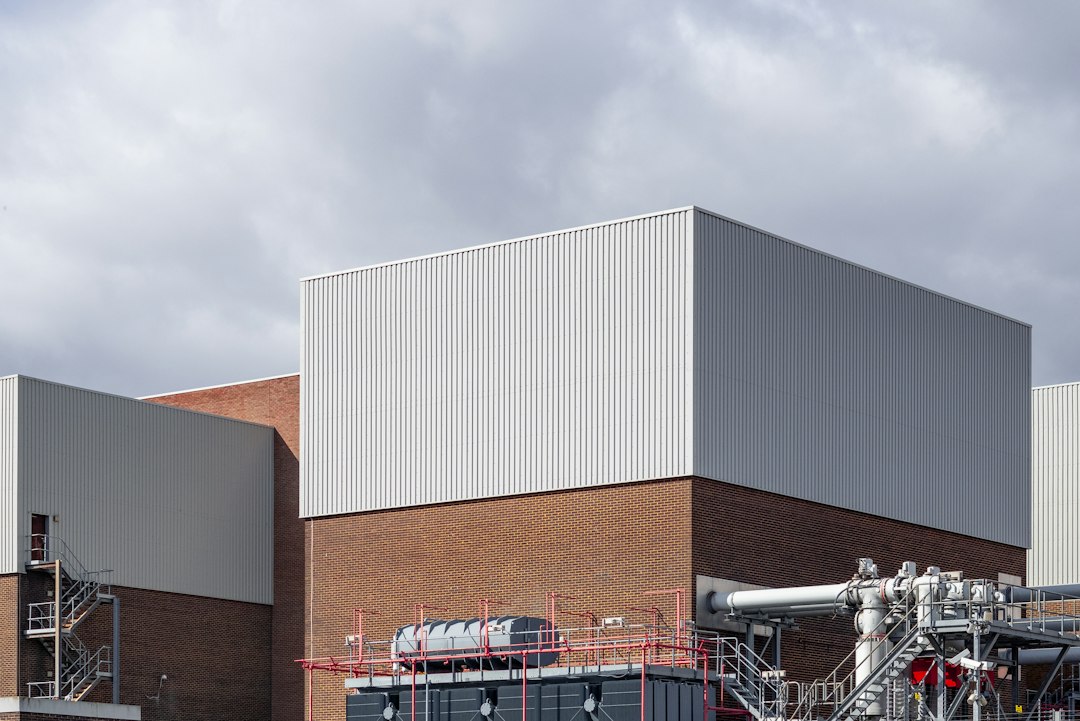
    brown concrete building during daytime
    Photo by the blowup on Unsplash
    Key facts

    • The union's second partial strike began at midnight on Nov. 6 and is set to run through Nov. 27, according to Yonhap and BusinessKorea
    • About 400 members — roughly 10% of the union's 4,000-strong membership — are taking part, drawn from quality control, quality assurance, logistics and production support roles (Korea Times, Yonhap)
    • A court injunction bars strike action in nine core manufacturing steps, which is why the union scaled its plan down from a full walkout to a partial one (BusinessKorea)
    • Management has offered a 6.2% base-pay raise plus a one-time bonus, while the union wants a 9.5% raise plus performance pay equal to 15% of operating profit (all sources)
    • A five-day full strike in May reportedly cost the company about 150 billion won ($108 million) in losses, including disposed drugs, per BusinessKorea

    What happened

    Around 400 union members — about 10% of the roughly 4,000-strong union, according to Korea Times and Yonhap — walked off their posts in quality control testing, quality assurance, logistics and production support. Rather than holding rallies, the union is using a “no-work” approach, with members simply stopping their tasks. Organizers say they may widen the action depending on how talks progress, BusinessKorea reported.

    The union originally intended a full stoppage but was forced to narrow it after a court granted an injunction blocking strikes in nine essential production stages, including bioreactor culturing, media preparation, chromatography, virus filtration and bulk filling, per BusinessKorea. That ruling is why organizers are calling this a partial rather than full strike.

    Why it matters

    Labor and management remain split over pay terms that have been under discussion for more than six months, Korea Times reported, while Yonhap frames the broader dispute over wages and working conditions as stretching back more than two years — a difference that may reflect separate timelines for the current bargaining round versus the overall relationship. Management’s offer stands at a 6.2% base-pay increase with a one-time bonus; the union wants a 9.5% raise along with performance pay set at 15% of operating profit. A negotiating session planned for Nov. 3 reportedly never got off the ground because the two sides couldn’t even agree on terms to sit down, per BusinessKorea.

    Industry watchers quoted by BusinessKorea worry that a drawn-out dispute could dent client confidence in Samsung Biologics as a contract drug manufacturer, since reliability on delivery timelines is central to that business. Korea Times adds that rival contract manufacturers are expanding capacity quickly, raising the stakes if Samsung Biologics’ reputation for steady output takes a hit.
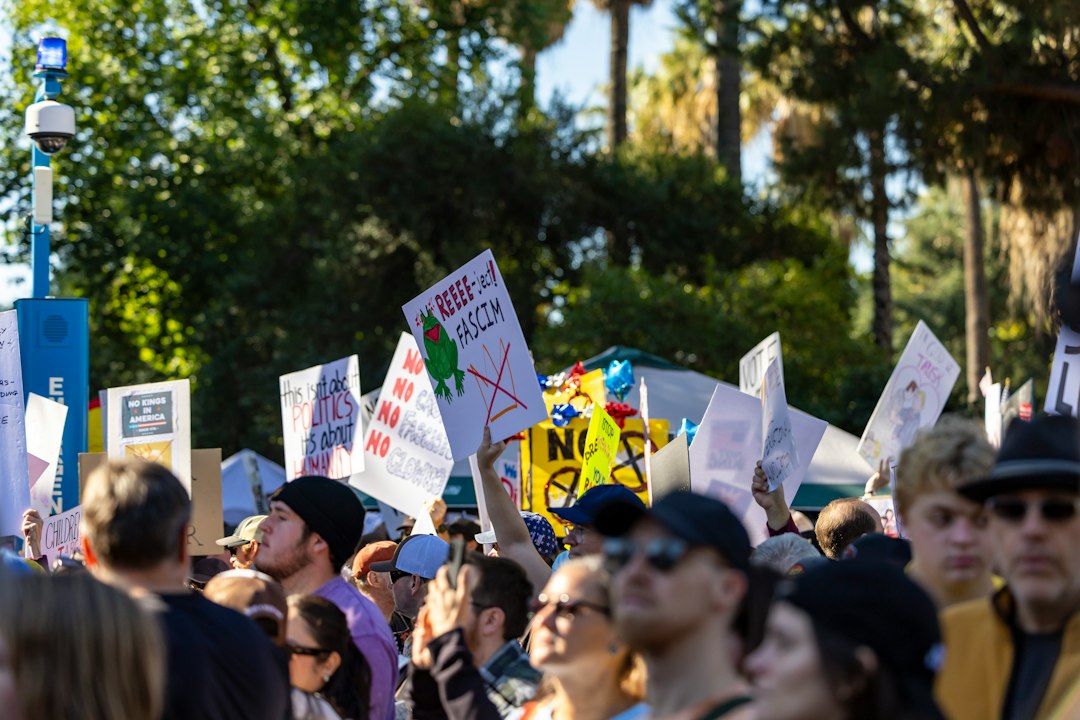
    Crowd holding signs at a protest or rally
    Photo by Leo_Visions on Unsplash

    Background

    This marks the third round of union action this year. A first partial walkout took place in late April involving around 60 members — the first such action since the company was founded in 2011, Yonhap reported. That was followed by a five-day general strike from May 1 to 5 involving some 2,800 members, after which workers kept up pressure by declining overtime and holiday shifts. BusinessKorea estimated that the May strike cost the company roughly 150 billion won ($108 million), partly from discarded drug batches, and noted that production of some patient-critical treatments, including cancer drugs and HIV medication, was briefly disrupted.

    By comparison, participation in the current strike is about one-seventh of May’s turnout, though it is scheduled to last more than four times as long, BusinessKorea noted, making the overall impact harder to forecast. A union member said at the company’s Songdo headquarters that working conditions should keep pace with the company’s growth, according to Yonhap.

    What to watch

    Because the court injunction keeps the nine core manufacturing processes running regardless of the strike, Korea Times suggests the near-term risk of major production disruption is relatively contained. Still, how long the standoff drags on, and whether the union expands its action, will shape whether client trust in Samsung Biologics as a dependable contract manufacturer is affected.

    Our read: with both sides holding firm on the size of the wage increase and performance-pay formula, the dispute looks likely to continue unless government-mediated talks, which have already resumed once without resolution according to Korea Times, produce a breakthrough before Nov. 27.

    Frequently asked questions

    Why did Samsung Biologics workers strike again?

    The union and management have been unable to agree on wage increases and changes to personnel policy, with talks stalled for months, according to Yonhap and Korea Times.

    How many employees are taking part and for how long?

    About 400 members, roughly 10% of the union, are participating in a 'no-work' action from Nov. 6 through Nov. 27, per Korea Times and Yonhap.

    Could this strike halt drug production the way May's did?

    Unlikely to the same degree — a court injunction keeps nine key manufacturing processes running, which Korea Times says keeps the risk of major disruption relatively low.

    Sources

    This article was prepared with AI assistance from the reports listed above and automatically checked against them. See About for how we work.
  • LG Energy Solution’s Q3 Profit Jumps 26% on Storage Demand

    LG Energy Solution’s Q3 Profit Jumps 26% on Storage Demand

    LG Energy Solution said its operating profit climbed 25.7 percent in the third quarter to 756 billion won ($564 million), as rising orders for large-scale battery storage systems in North America combined with a rebound in electric vehicle battery sales, according to the Korea Herald and the Korea Times.

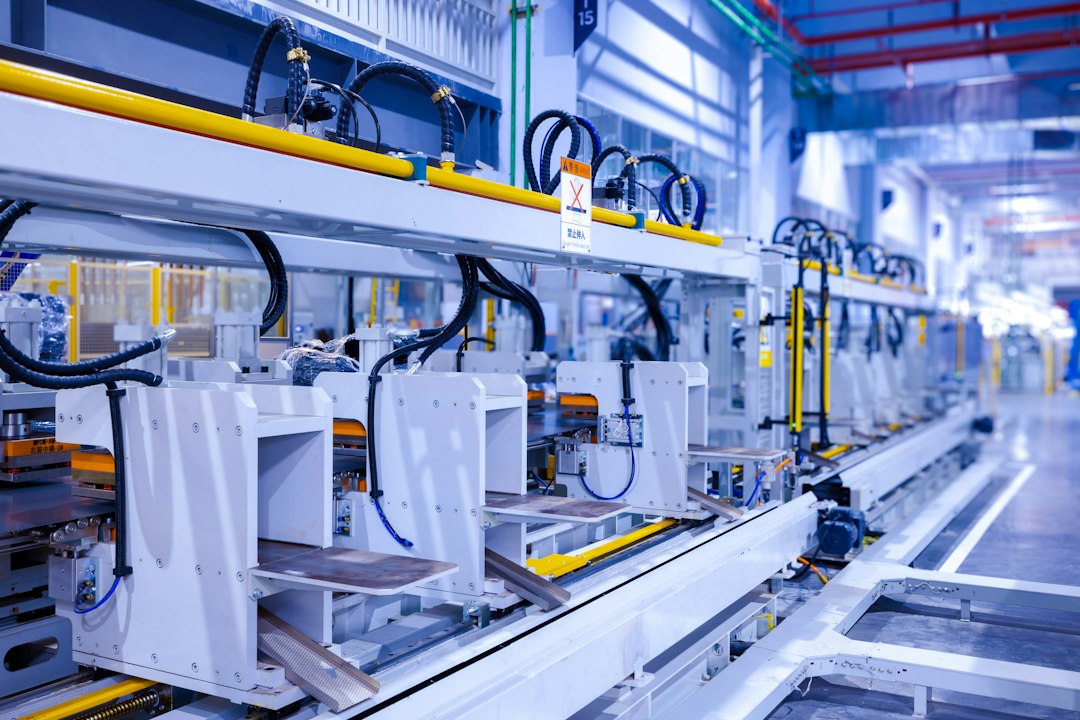
    a factory with a lot of machines in it
    Photo by Homa Appliances on Unsplash
    Key facts

    • LG Energy Solution's third-quarter operating profit reached 756 billion won ($564 million), a 25.7 percent increase from a year earlier, according to the Korea Herald and the Korea Times.
    • Quarterly sales hit a record 9.64 trillion won ($7.2 billion), up 59 percent year-on-year and 27.6 percent from the prior quarter, the Korea Times reported.
    • The operating margin for the quarter stood at 7.8 percent, per the Korea Times.
    • Around 417 billion won of the result came from US manufacturing incentives; stripping that out, operating profit was 339.1 billion won, the Korea Herald noted.
    • The company raised its full-year revenue growth forecast to 35-40 percent, up from an earlier midteens-to-20-percent range, according to the Korea Times.

    What happened

    The South Korean battery maker posted record quarterly sales of 9.64 trillion won ($7.2 billion), a 59 percent jump from the same period last year and a 27.6 percent increase from the previous quarter, the Korea Times reported. The operating margin for the quarter came in at 7.8 percent.

    Roughly 417 billion won of that profit reflected incentives the company received for battery production in North America under US clean-manufacturing policy. With that amount set aside, operating profit for the quarter was 339.1 billion won, which the Korea Herald described as evidence that the underlying battery business is becoming more profitable on its own. Beyond storage batteries, the company pointed to stronger shipments of higher-voltage, medium-nickel pouch cells for electric vehicles, along with steady output of its newer cylindrical battery formats, as additional growth drivers. CFO Lee Chang-sil said results also benefited from improved operations at the firm’s Polish factory and better efficiency at newly opened storage-battery production lines.

    Why it matters

    The results suggest that battery demand tied to renewable energy storage is becoming a bigger profit driver for LG Energy Solution, not just a side business supporting its core EV battery operations. Our read: this diversification could help cushion the company against swings in EV sales, which have been uneven in some markets this year.

    The scale of the jump in sales and profit also signals that the North American storage market is expanding quickly enough to reshape how the company allocates production capacity between EV batteries and grid-storage units.

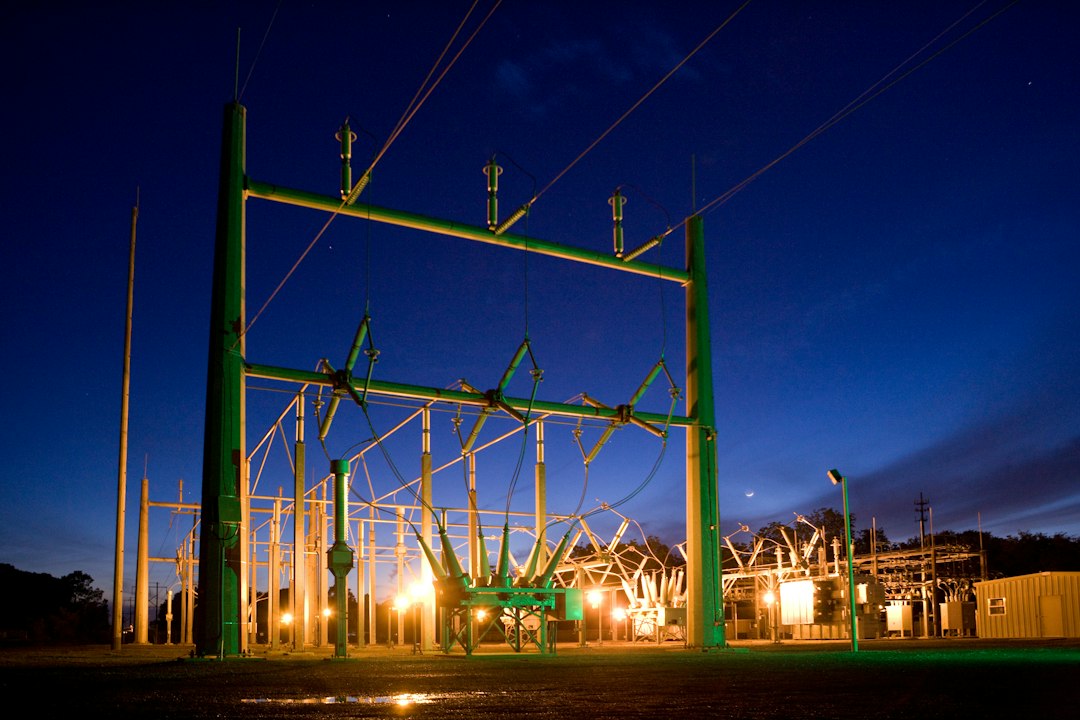
    green and grey transmission tower during nighttime
    Photo by American Public Power Association on Unsplash

    Background

    Battery makers in South Korea have increasingly looked to energy storage systems as a growth area alongside electric vehicles, since such systems are used to store power from renewable sources and stabilize electricity grids. Demand for this kind of technology has been rising in markets that are expanding renewable power capacity, giving battery suppliers a new revenue stream beyond the auto industry.

    LG Energy Solution has also benefited from government support tied to domestic battery manufacturing in North America, which has helped offset cost pressures as the company scales up newer production sites.

    What to watch

    Following the strong quarter, LG Energy Solution raised its full-year revenue growth forecast to a range of 35 to 40 percent, up from its earlier projection of midteens to 20 percent growth, the Korea Times reported. The company said it still expects its operating margin to stay in the mid-single-digit range for the year.

    Investors and industry watchers will likely focus on whether the company’s storage-system shipments keep accelerating into the fourth quarter, and whether EV battery demand continues to recover at a similar pace, according to the outlook detailed in the Korea Times report.

    Frequently asked questions

    Why did LG Energy Solution's profit rise so sharply in the third quarter?

    The increase was driven by stronger orders for grid-scale battery storage in North America and a recovery in electric vehicle battery sales, according to the Korea Herald and Korea Times.

    How much of the profit came from US government incentives?

    About 417 billion won came from North American manufacturing incentives; excluding that amount, operating profit was 339.1 billion won, the Korea Herald reported.

    Did the company change its outlook for the rest of the year?

    Yes, LG Energy Solution raised its full-year revenue growth target to 35-40 percent from a prior forecast of midteens to 20 percent, while keeping its operating margin goal in the mid-single digits, per the Korea Times.

    Sources

    This article was prepared with AI assistance from the reports listed above and automatically checked against them. See About for how we work.
  • Why KOSPI Jumped 2% After Friday’s Tech-Led Plunge

    Why KOSPI Jumped 2% After Friday’s Tech-Led Plunge

    Seoul’s benchmark KOSPI index closed up 2.24 percent at 5,859.08 on Monday, clawing back much of the ground lost in a sharp sell-off three sessions earlier, according to Yonhap. The rebound came as investors snapped up technology shares that had been sold off heavily, even though broader unease about the payoff from artificial intelligence spending had not disappeared.

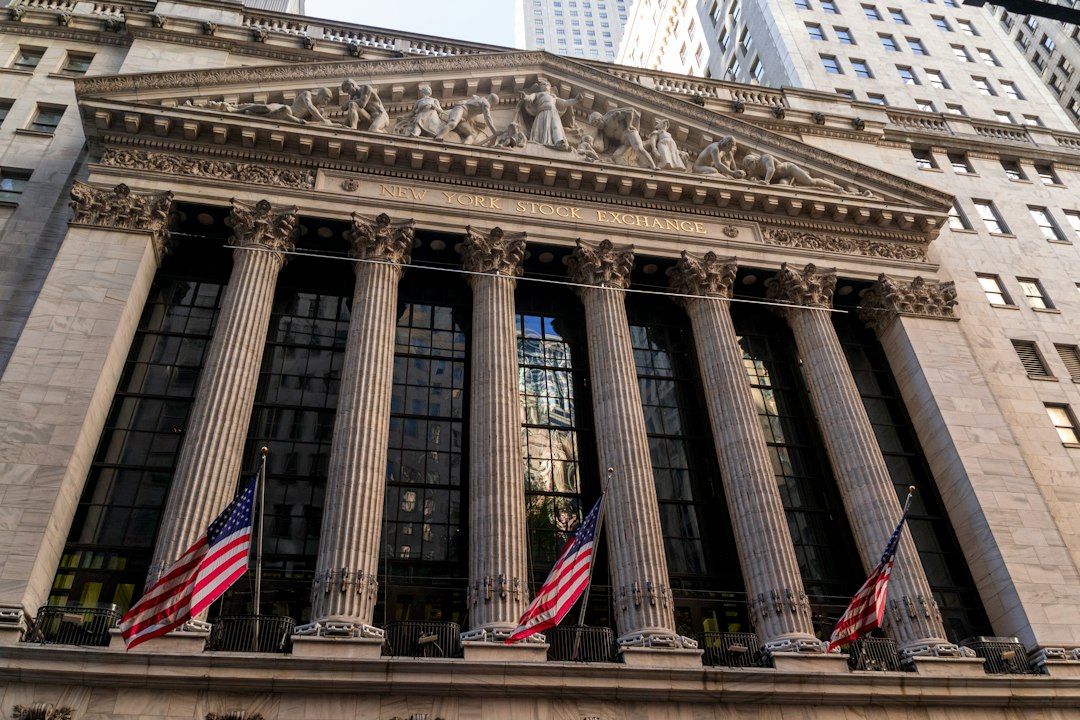
    New york stock exchange building with american flags
    Photo by David Vives on Unsplash
    Key facts

    • KOSPI closed up 128.34 points, or 2.24 percent, at 5,859.08 on Monday, after plunging more than 3 percent the previous Friday, according to Yonhap
    • Institutional investors were net buyers while foreign and retail investors were net sellers; exact figures differ slightly between Yonhap/Korea Herald (1.23 trillion won institutional buying) and Korea Times (1.36 trillion won)
    • SK hynix gained 3.81 percent to 1,472,000 won and Samsung Electronics rose 1.78 percent to 229,000 won, Yonhap reported
    • South Korea's October exports rose more than 90 percent year-on-year, with chip shipments up 259 percent, according to Yonhap
    • The rebound followed a sharp sell-off in U.S. chip stocks, including a 28 percent drop in Intel shares after weak guidance, the Korea Times reported

    What happened

    The index gained 128.34 points and briefly touched 5,910.83 during the day, Yonhap reported. That followed a drop of more than 3 percent on the previous Friday. Trading volume was described as light, at 186.4 million shares worth 14.9 trillion won (roughly $11.1 billion), with winning stocks outnumbering losers by 651 to 229.

    Sources differ slightly on the exact flow of money. Yonhap and the Korea Herald reported that foreign and retail investors together sold a net 1.72 trillion won in shares, while institutions bought a net 1.23 trillion won. The Korea Times put institutional buying at 1.36 trillion won, with foreign investors selling 43.09 billion won and retail investors selling 1.41 trillion won. Either way, all three outlets agree that institutional buying was the key force pulling the index back up after it opened the session lower.

    Chip and defense-linked names led the gains. SK hynix rose 3.81 percent to 1,472,000 won and Samsung Electronics gained 1.78 percent to 229,000 won, Yonhap reported. SK Square advanced 5.91 percent after outlining plans to return at least 4.3 trillion won to shareholders from dividends tied to SK hynix, according to the Korea Times. Shipbuilder Hanwha Ocean jumped 9.8 percent after its parent, Hanwha Aerospace, said it became the first South Korean company to deliver a medium landing ship to the U.S. Navy, Yonhap noted. Not every large stock advanced: KB Financial fell 1.35 percent and Samsung SDI slipped 0.92 percent.

    Why it matters

    The rebound shows how closely South Korea’s stock market is tied to the fortunes of its semiconductor exporters. Daishin Securities analyst Lee Kyoung-min argued that investors had reassessed disappointing U.S. chip-sector earnings and refocused on the strength of Korea’s own memory chip makers, according to Yonhap. Lee described the Korean market as trading at a “historic discount,” suggesting room for recovery if earnings remain solid.

    That view was reinforced by trade data: South Korea’s October exports rose more than 90 percent from a year earlier, driven largely by chip demand, with chip shipments alone up 259 percent year-on-year, Yonhap reported. The Korea Times added that total October shipments reached $115.3 billion.

    macro photography of black circuit board
    Photo by Alexandre Debiève on Unsplash

    Background

    The swings in Seoul followed turbulence in U.S. markets, where chip stocks were hit hard after Intel issued weaker-than-expected sales guidance for the fourth quarter, citing softening PC demand, according to the Korea Times. Intel shares fell roughly 28 percent and the Philadelphia Semiconductor Index dropped 7.2 percent in the same session. Investors have been debating whether the earnings miss reflects fading demand for memory chips broadly or simply rising costs squeezing PC makers’ margins, a distinction the Korea Times said is increasingly favoring the latter interpretation. This broader debate over whether heavy AI-related investment will pay off has been unsettling markets globally in recent sessions.

    What to watch

    The Korea Times reported that analysts expect volatility to continue this week, pointing to upcoming U.S. midterm elections and an employment report as potential catalysts. Our read: with institutional buyers stepping in while foreign and retail investors pulled back, the durability of this rebound may depend on whether upcoming U.S. economic and political signals ease or deepen worries about AI-related tech valuations.

    Frequently asked questions

    How much did the KOSPI rise on Monday?

    The index closed up 2.24 percent, or 128.34 points, at 5,859.08, according to Yonhap, after rising as high as 5,910.83 during the session.

    Why did the market fall on Friday before this rebound?

    The KOSPI had plunged more than 3 percent on Friday amid a rout in U.S. semiconductor stocks, including a sharp drop in Intel shares after weak sales guidance, as reported by the Korea Times.

    Which investors drove the Monday rebound?

    Institutional investors were net buyers of Korean shares, while foreign and retail investors were net sellers, according to Yonhap and the Korea Times, though the two outlets cite slightly different net figures.

    Sources

    This article was prepared with AI assistance from the reports listed above and automatically checked against them. See About for how we work.