Tag: semiconductors

  • Samsung Electronics Nears $146.6 Billion Cash Pile on AI Chip Boom

    Samsung Electronics Nears $146.6 Billion Cash Pile on AI Chip Boom

    Samsung Electronics is on course to become the first South Korean company to hold more than 200 trillion won, or roughly $146.6 billion, in cash, according to industry data reported by Yonhap and The Korea Times. The jump is being credited to booming demand for AI-related chips, which has reshaped the company’s balance sheet over the past year.
    A photographer captures a street scene with cyclists and lanterns
    Photo by Pete Walls on Unsplash
    Key facts

    • Samsung's cash and equivalents are estimated at 214.8 trillion won ($146.6 billion equivalent) as of the third quarter, according to Yonhap and The Korea Times.
    • That figure marks a gain of 24.8 trillion won from the 190 trillion won reported three months prior.
    • The current cash holdings are close to double what Samsung held a year earlier, when the figure stood at 108.5 trillion won.
    • Total company assets climbed to 791.8 trillion won by the end of September, a rise of 32.4 trillion won in one quarter.
    • Samsung has earmarked 90 trillion to 110 trillion won for shareholder payouts in 2026, part of a return plan unveiled in August.

    What happened

    Industry figures show Samsung’s cash and cash equivalents climbing to an estimated 214.8 trillion won by the third quarter, a increase of 24.8 trillion won from the 190 trillion won recorded just one quarter before. Compared with where the company stood at the same point a year earlier, when cash reserves were near 108.5 trillion won, the current total is close to double.

    The company’s overall balance sheet has expanded alongside the cash buildup. Total assets reached 791.8 trillion won at the end of September, climbing 32.4 trillion won in a single quarter, based on the same data cited by both outlets.

    Why it matters

    Analysts quoted in the reporting say Samsung’s cash reserves are now large enough to cover the full amount promised under its shareholder return program, which was announced in August. Under that plan, the company intends to make available between 90 trillion and 110 trillion won for payouts to investors in 2026.

    Our read: the scale of this cash buildup signals how central memory chips and AI-linked demand have become to Samsung’s overall financial health, not just its chip division. A cash position of this size also gives the company flexibility to fund large capital projects without relying heavily on debt.

    brown hardbound books on white table
    Photo by Debby Hudson on Unsplash

    Background

    Samsung has been pouring money into expanding its chip-making capacity as global demand for advanced memory and AI processors has intensified. Spending on infrastructure and research this year is projected to exceed 100 trillion won for the first time, with 84.4 trillion won of that directed toward growing memory production facilities, according to the reports.

    This kind of investment cycle is typical for memory chipmakers, which tend to expand output aggressively during periods of strong demand, then scale back when prices soften. The current boom has been driven in large part by the rapid rollout of artificial intelligence systems worldwide, which require large volumes of high-performance memory chips.

    What to watch

    Samsung has indicated that favorable conditions in the chip market, shaped by heavy AI investment and tight memory supply, are likely to persist into next year, based on the company’s own comments cited in the reporting. Its board is due to meet in January to decide on a shareholder return policy covering the upcoming year.

    Investors and analysts will likely watch whether Samsung’s cash levels keep rising at a similar pace, and whether the company sticks to its planned spending on memory expansion. Any shift in global chip demand could affect both the payout plans and the broader investment timeline outlined in the current data.

    Frequently asked questions

    How much cash does Samsung Electronics reportedly hold now?

    According to industry data cited by Yonhap and The Korea Times, Samsung's cash and cash equivalents reached roughly 214.8 trillion won, or about $146.6 billion, as of the third quarter.

    Why is Samsung's cash pile growing so fast?

    Both outlets attribute the surge to the AI-driven boom in chip demand, often called a semiconductor supercycle, which has boosted Samsung's earnings and liquidity.

    What will Samsung do with the money?

    The company has set aside 90 trillion to 110 trillion won for shareholder returns in 2026 and plans over 100 trillion won in chip-related investment this year, including 84.4 trillion won for memory plant expansion.

    Sources

    This article was prepared with AI assistance from the reports listed above and automatically checked against them. See About for how we work.
  • Why Nvidia CEO’s Daughter Skipped Her Seoul Trip

    Why Nvidia CEO’s Daughter Skipped Her Seoul Trip

    Madison Huang, a senior director at Nvidia and the eldest daughter of company CEO Jensen Huang, has scrapped a trip to South Korea that had been set for this week, according to reports from Yonhap, The Korea Herald and The Korea Times.

    Las vegas convention center west hall with ces logo
    Photo by Florian Schindler on Unsplash
    Key facts

    • Madison Huang, a senior director at Nvidia and the eldest daughter of CEO Jensen Huang, canceled a planned trip to South Korea, according to Yonhap, The Korea Herald and The Korea Times.
    • She had been expected to arrive Sunday for the two-day Nvidia AI Day Seoul 2026 gathering at Seoul's COEX center and to meet South Korean government officials.
    • Sources told local outlets the trip was called off over family issues, without giving further detail.
    • Some industry observers reportedly link the cancellation to foreign media claims that U.S. intelligence officials suspect a woman once close to Jensen Huang of spying for China, though this is unconfirmed.
    • The Nvidia-organized event is still expected to go ahead without her, sources said.

    What happened

    She had been scheduled to land in South Korea on Sunday ahead of a two-day Nvidia-organized gathering called AI Day Seoul 2026, held at the COEX convention venue in Seoul, where she was also due to hold talks with South Korean government officials. Unnamed sources told local news outlets that the trip was pulled because of family issues, though they did not elaborate further. Yonhap reported that the decision is believed to stem from these personal matters, while noting it could not independently verify additional details. Despite her absence, organizers intend to carry on with the event as originally planned, according to the sources.

    Why it matters

    Huang’s visits typically carry weight because they signal how closely Nvidia is coordinating with South Korean partners as the country’s chipmakers and tech firms expand their role in the global AI supply chain. Her sudden withdrawal, even without a clear public explanation, has drawn attention partly because of unrelated overseas reporting. The Korea Times and Yonhap both noted that some industry watchers are speculating her cancellation could be connected to foreign media accounts claiming that U.S. intelligence officials suspect a woman who was once romantically involved with Jensen Huang of acting as an intelligence asset for China. None of the outlets confirmed any link between that reporting and her canceled trip, and it remains speculative.

    a large machine in a factory with people working on it
    Photo by Homa Appliances on Unsplash

    Background

    Madison Huang has made previous appearances in South Korea tied to Nvidia’s business dealings there. In August, she toured a facility that LG Electronics is building in Seoul’s Seocho district, where she was welcomed with a bouquet presented by one of LG’s home robots. Earlier, in June, she visited SK Group’s headquarters in Seoul and met with the company’s chairman, Chey Tae-won. These appearances reflect Nvidia’s deepening engagement with major South Korean conglomerates as the country positions itself as a hub for chip production and AI infrastructure.

    Our read: such visits by Nvidia executives, including members of the Huang family, have increasingly served as informal markers of how central South Korean firms have become to the company’s hardware and AI ambitions. A last-minute cancellation, even for private reasons, can draw outsized attention simply because of that symbolic role.

    What to watch

    It remains to be seen whether Nvidia or the Huang family will offer any public comment clarifying the reason behind the canceled trip. Observers will also be watching whether the AI Day Seoul 2026 event proceeds smoothly without her participation, and whether further reporting emerges connecting the cancellation to the broader espionage allegations circulating in foreign media. For now, South Korean outlets agree on the basic sequence of events but differ in how much weight they give to the spy-related speculation, treating it explicitly as unconfirmed.

    Frequently asked questions

    Who is Madison Huang?

    She is a senior director at Nvidia and the eldest daughter of company CEO Jensen Huang, according to The Korea Herald.

    Why did she cancel her South Korea trip?

    Sources cited by Yonhap and other outlets said it was due to family issues, though no details were disclosed.

    Will the Nvidia event in Seoul still happen?

    Yes, sources said the Nvidia AI Day Seoul 2026 event at COEX is expected to proceed as planned despite her absence.

    Sources

    This article was prepared with AI assistance from the reports listed above and automatically checked against them. See About for how we work.
  • South Korea Lands Record $2B in Foreign Investment Pledges

    South Korea Lands Record $2B in Foreign Investment Pledges

    Seven global companies pledged a combined $2 billion in new investment projects at the Invest Korea Summit 2026, marking the largest total in the event’s 22-year history, according to The Korea Herald. The three-day forum, held at the Grand InterContinental Seoul Parnas starting Nov. 4, drew roughly 2,000 participants, including representatives from 267 foreign-invested companies, BusinessKorea reported.

    a group of people working in a factory
    Photo by TruckRun on Unsplash
    Key facts

    • Seven global companies pledged a combined $2 billion at Invest Korea Summit 2026, the largest total in the event's 22-year history, according to The Korea Herald
    • The three-day summit opened Nov. 4 at the Grand InterContinental Seoul Parnas and drew about 2,000 participants, including representatives from 267 foreign-invested firms, per BusinessKorea
    • About 97% of the pledged amount, roughly $1.97 billion, is directed toward projects outside the Seoul metropolitan area, The Korea Herald reported
    • Foreign investment accounts for 21% of South Korea's exports and 6% of its employment, according to BusinessKorea
    • Pledging companies include Air Liquide, Amkor Technology, Henkel, Tokyo Electron, Enscale, Gurīn Energy and Deep Wind Offshore, spanning semiconductors, AI infrastructure and renewable energy

    What happened

    The summit is South Korea’s largest government-organized investor relations event, run by KOTRA. Sources differ slightly on the government body involved: BusinessKorea credits the Ministry of Trade, Industry and Energy as host, while The Korea Herald names the Ministry of Trade, Industry and Resources, though both agree KOTRA organized the gathering.

    Among the companies disclosing projects were France’s Air Liquide, which plans a specialty gas production facility, and U.S.-based Amkor Technology, which will expand an advanced packaging plant at its Gwangju site. Germany’s Henkel intends to open a materials research and development center, while Japan’s Tokyo Electron will build a plant for semiconductor equipment and materials. The U.K.’s Enscale confirmed plans for an AI data center, and Singapore’s Gurīn Energy along with Norway’s Deep Wind Offshore each committed to renewable energy projects covering solar, wind and offshore wind power generation. BusinessKorea also noted that Edwards, Valeo and Ibiden plan to set up or expand research centers tied to future mobility and advanced materials, deepening technological cooperation with Korean partners.

    Why it matters

    Foreign investment already plays a substantial role in South Korea’s economy, accounting for 21% of exports and 6% of employment, per BusinessKorea. The latest pledges reinforce that position while targeting industries the government has flagged as strategic: semiconductors, AI infrastructure and clean energy.

    A notable feature of this year’s commitments is their geographic spread. About 97% of the pledged amount, close to $1.97 billion, is slated for projects outside the Seoul metropolitan area, according to The Korea Herald. Our read: this pattern aligns with long-standing government efforts to steer investment and jobs toward regions beyond the capital, where economic activity has traditionally lagged.

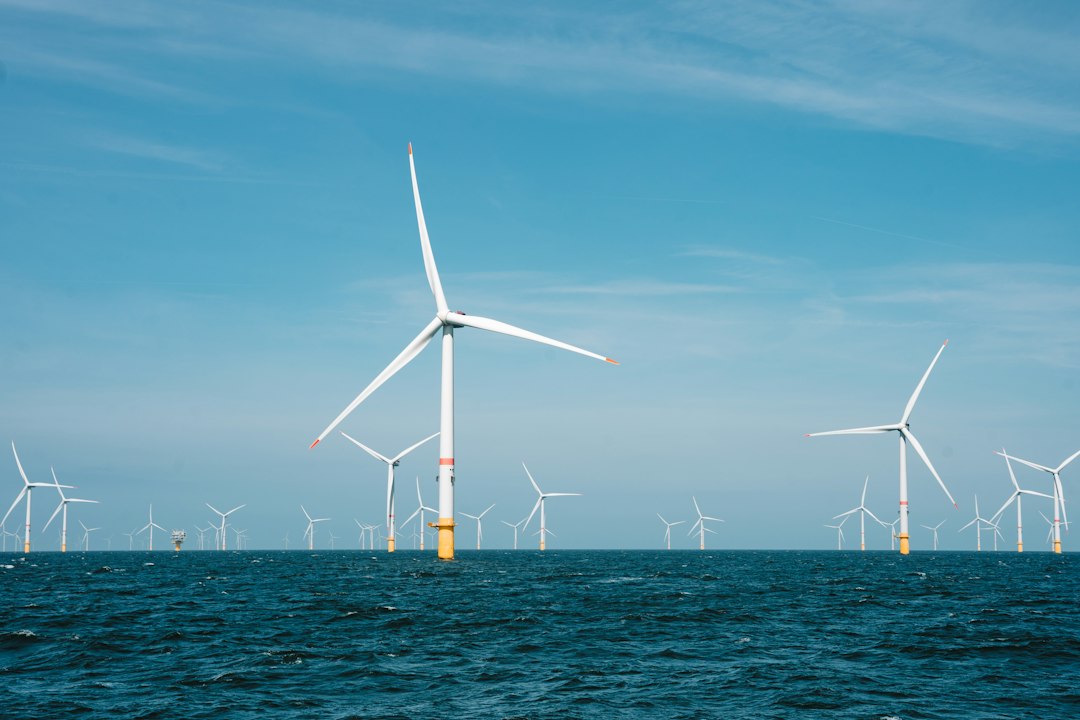
    a group of wind turbines in the ocean
    Photo by Jesse De Meulenaere on Unsplash

    Background

    Invest Korea Summit has run for over two decades as the country’s flagship platform for courting international capital. It brings together domestic and overseas business leaders, foreign-invested firms, and government officials to discuss opportunities and showcase policy incentives. Local governments reportedly compete actively to attract these projects to their regions, reflecting the broader push to diversify investment beyond the greater Seoul area.

    This year’s discussions also touched on global industrial trends. Panelists at the conference reportedly agreed that rising semiconductor demand, driven by the expansion of artificial intelligence, along with the need for reliable clean energy supplies, would open fresh opportunities in the South Korean market. Experts in attendance also praised the country’s manufacturing infrastructure as a draw for international investors, according to BusinessKorea.

    What to watch

    The coming months will show how quickly these pledged projects move from announcement to construction, particularly the semiconductor equipment and advanced packaging facilities tied to Tokyo Electron and Amkor Technology. Observers will also be watching whether the heavy regional tilt in this round of investment translates into visible economic activity outside Seoul, a goal officials have repeatedly emphasized.

    Beyond individual projects, the summit’s record-setting total may serve as a benchmark for future editions of the event, testing whether South Korea can sustain or build on this level of foreign commitment in sectors central to its industrial strategy.

    Frequently asked questions

    How much investment did South Korea secure at the summit?

    Seven global companies pledged a combined $2 billion, which The Korea Herald called the largest commitment total in the 22-year history of the Invest Korea Summit.

    Which sectors attracted the most interest?

    Pledges concentrated in semiconductors, advanced materials, AI data infrastructure and renewable energy, with firms like Air Liquide, Amkor Technology, Tokyo Electron, Enscale, Gurīn Energy and Deep Wind Offshore named as participants, according to BusinessKorea.

    Where will the investments be located?

    About 97% of the pledged funds, close to $1.97 billion, are earmarked for projects outside the Seoul metropolitan area, The Korea Herald reported.

    Sources

    This article was prepared with AI assistance from the reports listed above and automatically checked against them. See About for how we work.
  • Korea’s Top Court Upholds $13.9M Broadcom Fine Over Samsung Deal

    Korea’s Top Court Upholds $13.9M Broadcom Fine Over Samsung Deal

    South Korea’s Supreme Court has finalized an antitrust fine of 18.664 billion won — roughly $13.8 to $13.9 million depending on the exchange rate used — against U.S. chipmaker Broadcom, closing out a years-long dispute over how the company treated Samsung Electronics in a component supply deal, according to Yonhap, The Korea Herald, The Korea Times and BusinessKorea.

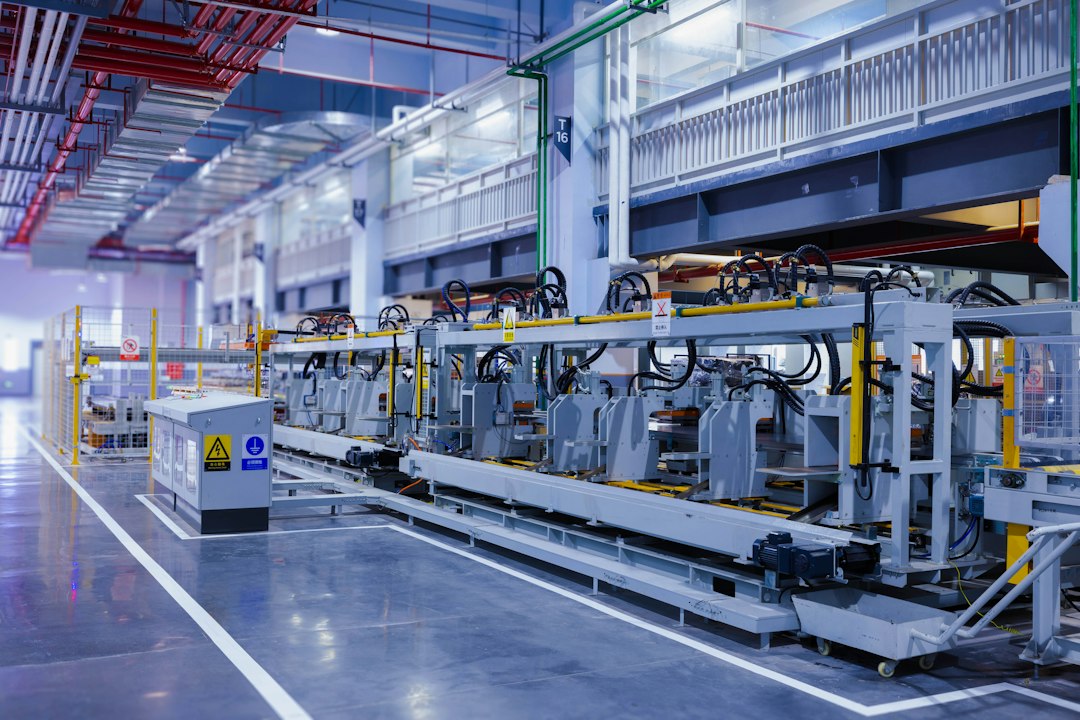
    a large machine in a large building
    Photo by Homa Appliances on Unsplash
    Key facts

    • South Korea's Supreme Court dismissed Broadcom's appeal on Oct. 27, finalizing an 18.664 billion won fine ($13.8–13.9 million, depending on exchange rate used), according to Yonhap, The Korea Herald and The Korea Times.
    • The Korea Fair Trade Commission (FTC) first imposed the penalty in September 2023 for Broadcom's conduct toward Samsung Electronics, per BusinessKorea.
    • In 2020, Broadcom reportedly demanded Samsung commit to buying at least $760 million worth of components annually for three years starting in 2021, with Samsung required to cover any shortfall, according to all four outlets.
    • The FTC found Broadcom halted purchase-order approvals, shipments, production and technical support when Samsung resisted the terms, per BusinessKorea.
    • The Seoul High Court had already ruled against Broadcom in May before the case reached the Supreme Court, according to Yonhap and The Korea Times.

    What happened

    The Supreme Court’s First Petty Bench, presided over by Justice Cheon Dae-yeop, dismissed an appeal filed by Broadcom’s U.S. headquarters and affiliated companies, according to BusinessKorea. The ruling, issued Oct. 27 and confirmed by legal sources in the following days, finalizes a Seoul High Court decision from May that had already sided with Korea’s Fair Trade Commission (FTC), as reported by Yonhap and The Korea Times.

    The case traces back to a contract Samsung signed with Broadcom in March 2020. Under the deal, Samsung committed to purchasing at least $760 million worth of Broadcom components annually for three years starting in 2021, with a clause requiring Samsung to pay the difference if actual purchases fell short, according to all four outlets.

    BusinessKorea reported that Samsung only agreed to these terms after Broadcom suspended approval of purchase orders and halted shipments, production, and some technical support — actions the FTC said were designed to force Samsung’s hand. Samsung reportedly feared disruptions to its smartphone production if it did not comply.

    Why it matters

    The FTC concluded that Broadcom’s tactics restricted Samsung’s ability to choose alternative suppliers and blocked rivals from competing for the business, according to BusinessKorea. The regulator estimated that the restrictions cost Samsung at least $160 million in additional expenses based on exchange rates at the time.

    Our read: the ruling signals that Korea’s antitrust enforcement extends firmly to foreign suppliers dealing with domestic manufacturers, even when the supplier holds significant leverage over a critical part of the supply chain. For global chip companies operating in Korea, the case underscores that aggressive supply-chain tactics can draw regulatory scrutiny and costly, multi-year legal battles.

    a large building with a clock on the front of it
    Photo by Babak Habibi on Unsplash

    Background

    The FTC first imposed the corrective order and penalty surcharge on Broadcom in September 2023, according to BusinessKorea. Broadcom challenged the decision in a lawsuit filed in November 2023, per The Korea Times and Yonhap. The case proceeded through Korea’s standard appeals process: an FTC decision, once contested, goes to the Seoul High Court, with further appeals possible to the Supreme Court, as Yonhap noted.

    The Seoul High Court sided with the FTC in May, finding the fine justified, according to Yonhap. It also reportedly determined that Broadcom used unusual means — namely the unilateral halt on parts supply — to compel Samsung into a contract whose terms were disadvantageous to the Korean company, per BusinessKorea.

    What to watch

    With the Supreme Court’s dismissal, the FTC’s fine and corrective order against Broadcom are now final, closing this particular chapter of the dispute. The case may factor into how other multinational suppliers structure long-term contracts with Korean manufacturers going forward, particularly around exclusivity and minimum-purchase clauses.

    It also reflects a broader pattern of Korean regulators scrutinizing the bargaining practices of dominant global tech and component suppliers. How Broadcom adjusts its commercial relationships with Samsung and other Korean partners in light of this outcome remains to be seen.

    Frequently asked questions

    How much was Broadcom fined?

    The Korea Fair Trade Commission fined Broadcom 18.664 billion won, reported as roughly $13.8 to $13.9 million depending on the exchange rate cited by different outlets.

    What did Broadcom do to Samsung?

    According to BusinessKorea, Broadcom pressured Samsung into a 2020 long-term supply contract by suspending purchase-order approvals, shipments and technical support, pushing Samsung to commit to buying at least $760 million in parts annually for three years.

    What did the Supreme Court decide?

    The Supreme Court's First Petty Bench, led by Justice Cheon Dae-yeop, dismissed Broadcom's appeal on Oct. 27, confirming the Seoul High Court's earlier ruling that upheld the FTC's penalty, per BusinessKorea and Yonhap.

    Sources

    This article was prepared with AI assistance from the reports listed above and automatically checked against them. See About for how we work.
  • Why KOSPI Jumped 2% After Friday’s Tech-Led Plunge

    Why KOSPI Jumped 2% After Friday’s Tech-Led Plunge

    Seoul’s benchmark KOSPI index closed up 2.24 percent at 5,859.08 on Monday, clawing back much of the ground lost in a sharp sell-off three sessions earlier, according to Yonhap. The rebound came as investors snapped up technology shares that had been sold off heavily, even though broader unease about the payoff from artificial intelligence spending had not disappeared.

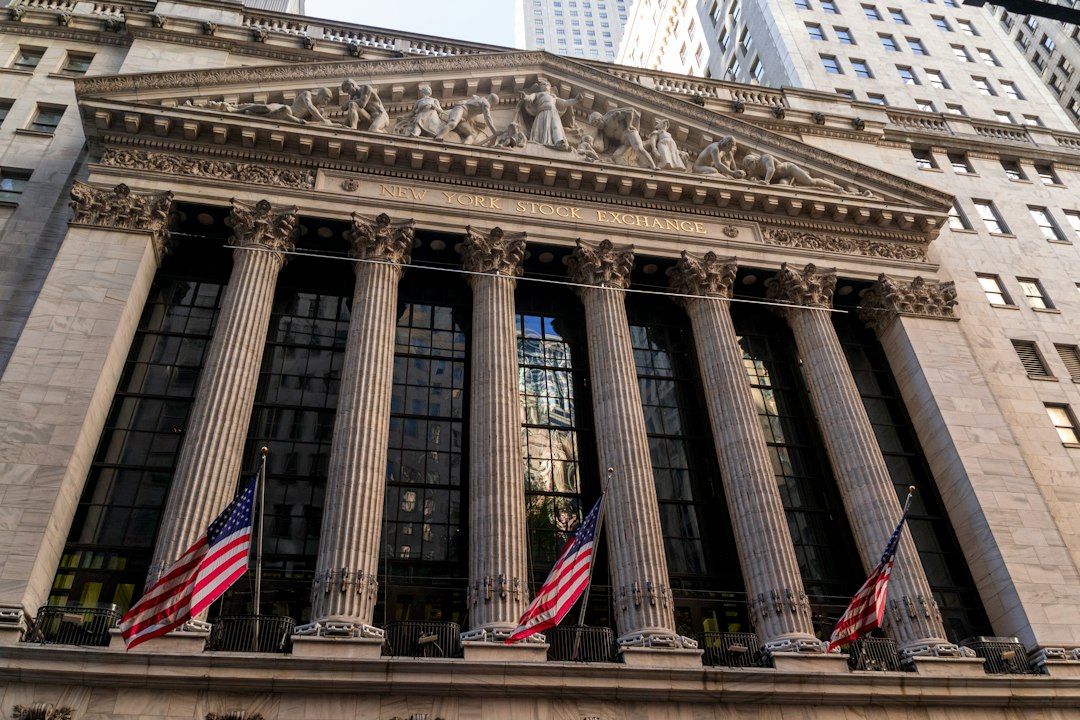
    New york stock exchange building with american flags
    Photo by David Vives on Unsplash
    Key facts

    • KOSPI closed up 128.34 points, or 2.24 percent, at 5,859.08 on Monday, after plunging more than 3 percent the previous Friday, according to Yonhap
    • Institutional investors were net buyers while foreign and retail investors were net sellers; exact figures differ slightly between Yonhap/Korea Herald (1.23 trillion won institutional buying) and Korea Times (1.36 trillion won)
    • SK hynix gained 3.81 percent to 1,472,000 won and Samsung Electronics rose 1.78 percent to 229,000 won, Yonhap reported
    • South Korea's October exports rose more than 90 percent year-on-year, with chip shipments up 259 percent, according to Yonhap
    • The rebound followed a sharp sell-off in U.S. chip stocks, including a 28 percent drop in Intel shares after weak guidance, the Korea Times reported

    What happened

    The index gained 128.34 points and briefly touched 5,910.83 during the day, Yonhap reported. That followed a drop of more than 3 percent on the previous Friday. Trading volume was described as light, at 186.4 million shares worth 14.9 trillion won (roughly $11.1 billion), with winning stocks outnumbering losers by 651 to 229.

    Sources differ slightly on the exact flow of money. Yonhap and the Korea Herald reported that foreign and retail investors together sold a net 1.72 trillion won in shares, while institutions bought a net 1.23 trillion won. The Korea Times put institutional buying at 1.36 trillion won, with foreign investors selling 43.09 billion won and retail investors selling 1.41 trillion won. Either way, all three outlets agree that institutional buying was the key force pulling the index back up after it opened the session lower.

    Chip and defense-linked names led the gains. SK hynix rose 3.81 percent to 1,472,000 won and Samsung Electronics gained 1.78 percent to 229,000 won, Yonhap reported. SK Square advanced 5.91 percent after outlining plans to return at least 4.3 trillion won to shareholders from dividends tied to SK hynix, according to the Korea Times. Shipbuilder Hanwha Ocean jumped 9.8 percent after its parent, Hanwha Aerospace, said it became the first South Korean company to deliver a medium landing ship to the U.S. Navy, Yonhap noted. Not every large stock advanced: KB Financial fell 1.35 percent and Samsung SDI slipped 0.92 percent.

    Why it matters

    The rebound shows how closely South Korea’s stock market is tied to the fortunes of its semiconductor exporters. Daishin Securities analyst Lee Kyoung-min argued that investors had reassessed disappointing U.S. chip-sector earnings and refocused on the strength of Korea’s own memory chip makers, according to Yonhap. Lee described the Korean market as trading at a “historic discount,” suggesting room for recovery if earnings remain solid.

    That view was reinforced by trade data: South Korea’s October exports rose more than 90 percent from a year earlier, driven largely by chip demand, with chip shipments alone up 259 percent year-on-year, Yonhap reported. The Korea Times added that total October shipments reached $115.3 billion.

    macro photography of black circuit board
    Photo by Alexandre Debiève on Unsplash

    Background

    The swings in Seoul followed turbulence in U.S. markets, where chip stocks were hit hard after Intel issued weaker-than-expected sales guidance for the fourth quarter, citing softening PC demand, according to the Korea Times. Intel shares fell roughly 28 percent and the Philadelphia Semiconductor Index dropped 7.2 percent in the same session. Investors have been debating whether the earnings miss reflects fading demand for memory chips broadly or simply rising costs squeezing PC makers’ margins, a distinction the Korea Times said is increasingly favoring the latter interpretation. This broader debate over whether heavy AI-related investment will pay off has been unsettling markets globally in recent sessions.

    What to watch

    The Korea Times reported that analysts expect volatility to continue this week, pointing to upcoming U.S. midterm elections and an employment report as potential catalysts. Our read: with institutional buyers stepping in while foreign and retail investors pulled back, the durability of this rebound may depend on whether upcoming U.S. economic and political signals ease or deepen worries about AI-related tech valuations.

    Frequently asked questions

    How much did the KOSPI rise on Monday?

    The index closed up 2.24 percent, or 128.34 points, at 5,859.08, according to Yonhap, after rising as high as 5,910.83 during the session.

    Why did the market fall on Friday before this rebound?

    The KOSPI had plunged more than 3 percent on Friday amid a rout in U.S. semiconductor stocks, including a sharp drop in Intel shares after weak sales guidance, as reported by the Korea Times.

    Which investors drove the Monday rebound?

    Institutional investors were net buyers of Korean shares, while foreign and retail investors were net sellers, according to Yonhap and the Korea Times, though the two outlets cite slightly different net figures.

    Sources

    This article was prepared with AI assistance from the reports listed above and automatically checked against them. See About for how we work.

  • Samsung’s Lee Visits Japan Lab to Boost AI Chip Packaging

    Samsung’s Lee Visits Japan Lab to Boost AI Chip Packaging

    Samsung Electronics Executive Chairman Lee Jae-yong visited the company’s advanced chip-packaging research lab in Yokohama, Japan, on Sunday, reviewing technology progress and discussing closer cooperation with local suppliers, according to Samsung Electronics as reported by Hankyoreh and The Korea Times.

    a close up of a pattern of small squares
    Photo by Maxence Pira on Unsplash
    Key facts

    • Samsung Executive Chairman Lee Jae-yong visited the Advanced Package Lab (APL) in Yokohama, Japan, on Sunday, according to Hankyoreh and The Korea Times.
    • APL began operating in 2023 and held its official opening ceremony on September 8 this year, per Hankyoreh and Korea Times.
    • Samsung Electronics has been investing 40 billion yen (about $254 million) over five years starting in 2024 to build the lab's research infrastructure, according to Korea Times.
    • Lee was accompanied by Kawahira Hiroichi, vice president and head of DS Research Japan, and Kariya Takashi, the executive director leading APL, per Hankyoreh.
    • Last month, Lee reportedly called Samsung's chip division head Jeon Young-hyun and devices division head Roh Tae-moon to Japan for a related meeting, according to Hankyoreh.

    What happened

    Lee toured the Advanced Package Lab (APL), accompanied by Kawahira Hiroichi, vice president and head of DS Research Japan, and Kariya Takashi, the executive director who leads APL, Hankyoreh reported. During the visit, Lee checked on the development of materials and process technologies used in advanced semiconductor packaging and spoke with researchers about expanding ties with Japan’s materials, parts and equipment companies, according to the outlet. The Korea Times added that Lee pledged to keep growing APL’s research staff and to turn it into a global hub for next-generation packaging work.

    The trip followed an earlier gathering last month, when Lee reportedly summoned Samsung’s semiconductor division head Jeon Young-hyun and its devices division head Roh Tae-moon to Japan for discussions, Hankyoreh noted.

    Why it matters

    Advanced packaging involves combining different chip components — such as GPUs, high-bandwidth memory, and accelerator chips — into a single package. This step directly affects how an AI system performs in terms of data bandwidth, power efficiency, and heat management, according to Hankyoreh. As global demand for AI processors rises, packaging technology is increasingly seen as being just as important as chip fabrication itself.

    Lee reportedly stressed that securing strong packaging capabilities is critical, since these techniques are becoming central to competitiveness in AI processor chips, according to Korea Times.

    a large body of water with a city in the background
    Photo by bady abbas on Unsplash

    Background

    APL began operating in 2023 and held its formal opening ceremony on September 8 this year, according to both Hankyoreh and Korea Times. Samsung Electronics said it has been investing 40 billion yen, roughly $254 million, over five years starting in 2024 to build research infrastructure in Japan and strengthen its packaging technology, Korea Times reported.

    The lab is meant to connect Samsung’s chip design and manufacturing operations with Japan’s network of materials, parts, and equipment suppliers, including firms like Tokyo Electron and Ibiden, according to Hankyoreh. APL’s research focus differs from that of the packaging unit at Samsung’s Semiconductor R&D Center in Korea, and the two teams plan to coordinate closely for added synergy, Korea Times reported.

    Samsung also pointed to Japan’s government support for the semiconductor and AI sectors as a reason the country remains an attractive base for packaging research and local partnerships, according to a company statement cited by Hankyoreh. More broadly, Japan has long been home to a dense network of specialized chip equipment and materials makers, giving global chipmakers access to an established supply chain even as the country builds fewer leading-edge chip factories than some competitors.

    What to watch

    Future signals to track include whether APL expands its headcount and research scope as Samsung has indicated, and whether the company deepens its sourcing relationships with Japanese materials and equipment firms. Our read: the visit suggests Samsung sees packaging technology, not just transistor miniaturization, as a key front in the broader AI chip race, with Japan’s supplier base playing a growing part in that strategy. Additional announcements on investment levels, staffing, or specific technology milestones at APL would offer clearer evidence of how quickly this approach is advancing.

    Frequently asked questions

    What is Advanced Package Lab (APL)?

    APL is Samsung Electronics' semiconductor packaging research site in Yokohama, Japan, that develops and tests materials and process technologies for advanced chip packaging, according to Hankyoreh and Korea Times.

    How much has Samsung invested in the Japan lab?

    Samsung Electronics has been investing 40 billion yen, about $254 million, over five years starting in 2024 to build research infrastructure there, per Korea Times.

    Why does packaging matter for AI chips?

    Advanced packaging combines components like GPUs, high-bandwidth memory, and accelerator chips into a single unit, directly shaping an AI system's bandwidth, power efficiency, and heat performance, according to Hankyoreh.

    Sources

    This article was prepared with AI assistance from the reports listed above and automatically checked against them. See About for how we work.
  • Why Korean Stocks Sank Over 3% on Global AI Jitters

    Why Korean Stocks Sank Over 3% on Global AI Jitters

    South Korea’s benchmark KOSPI index tumbled 3.48 percent on Friday, closing at 5,730.74 after a wave of selling hit semiconductor stocks, as global investors grew increasingly anxious about whether massive spending on artificial intelligence will actually pay off, according to Yonhap and The Korea Herald.

    graphical user interface, application
    Photo by Anne Nygård on Unsplash
    Key facts

    • KOSPI closed at 5,730.74, down 206.92 points or 3.48 percent, after dropping as low as 5,599.42, according to Yonhap and The Korea Herald
    • The Korea Exchange activated a sell-side sidecar shortly after 10 a.m., the first such halt in 11 trading sessions, The Korea Times reported
    • SK hynix dropped 7.08 percent and Samsung Electronics fell 3.02 percent, per Yonhap
    • Alphabet shares plunged more than 12 percent after third-quarter revenue of $127.58 billion came in below market expectations, Yonhap reported
    • The Kosdaq index fell 3.83 percent to 724.38, and the Korean won strengthened against the US dollar, according to Korea Herald and Hankyoreh

    What happened

    The index opened nearly 3 percent lower and kept sliding, briefly touching 5,599.42 before paring some losses, Yonhap reported. The drop was steep enough to trigger a sell-side sidecar on the Korea Exchange shortly after 10 a.m. local time — a mechanism that temporarily halts program sell orders when KOSPI 200 futures fall 5 percent or more within a minute. The Korea Times noted this was the first such activation in 11 trading sessions.

    Chip giants bore the brunt of the decline. SK hynix slid 7.08 percent and Samsung Electronics dropped 3.02 percent, Yonhap reported, dragging down the broader market given their outsized weight in the index. The tech-focused Kosdaq index also fell, closing down 3.83 percent at 724.38. Foreign investors were net sellers of Korean shares, while local institutions and individuals bought in, cushioning some of the day’s losses, according to Yonhap.

    Why it matters

    The rout traces back to Wall Street, where disappointing earnings from major US technology firms reignited doubts about the profitability of AI-related spending. Alphabet, Google’s parent company, saw its shares plunge more than 12 percent even though quarterly revenue rose 25 percent year-on-year to $127.58 billion — the growth simply fell short of what investors had been expecting, Yonhap reported. Amazon’s results and forward guidance also disappointed, drawing attention to the rising cost of building out AI infrastructure, The Korea Times noted.

    Because Korean chipmakers supply the memory and processing components that power AI systems worldwide, any wobble in confidence about AI’s near-term payoff tends to ripple quickly into their stock prices. Analyst Kang Jin-hyuk, cited by both Yonhap and The Korea Times, said back-to-back earnings disappointments from big tech firms and chipmakers sparked selling across the entire AI supply chain.

    blue circuit board
    Photo by Umberto on Unsplash

    Background

    Friday’s slide happened against a backdrop of persistent questions about how long the current AI investment boom can continue without clear signs of matching revenue. Major technology companies have been pouring enormous sums into AI infrastructure, and markets have grown more sensitive to any earnings report that suggests those bets are not generating sufficient returns. South Korea’s stock market, heavily weighted toward semiconductor exporters, is particularly exposed to swings in sentiment around global tech and AI spending.

    What to watch

    Analysts quoted in Korean media offered differing read on what comes next. Kang Jin-hyuk, cited in a Hankyoreh report, suggested the drop may reflect concerns over investment costs and monetization speed rather than a fundamental erosion of AI’s growth prospects, leaving room for a technical rebound after the sharp decline. He also pointed to unresolved foreign investor caution as a factor that could keep selling and buying pressure in tension for a while.

    Our read: the episode underscores how tightly linked Korean chip stocks have become to sentiment swings among a handful of US tech giants. Investors will likely watch upcoming earnings from major chipmakers and shifts in foreign fund flows for signs of whether this was a temporary correction or the start of a longer reassessment of AI-related valuations.

    Frequently asked questions

    Why did Korean stocks fall so sharply?

    A sell-off in semiconductor shares, triggered by weak US tech earnings and renewed doubts about returns on AI investment, pulled the KOSPI down 3.48 percent, according to Yonhap.

    Which Korean companies were hit hardest?

    Chipmaker SK hynix sank 7.08 percent and Samsung Electronics fell 3.02 percent, per Yonhap, as both are closely tied to global AI-related semiconductor demand.

    What triggered the US tech sell-off?

    Alphabet's quarterly revenue missed market expectations despite 25 percent year-on-year growth, sending its shares down more than 12 percent and unsettling AI-linked stocks worldwide, Yonhap reported.

    Sources

    This article was prepared with AI assistance from the reports listed above and automatically checked against them. See About for how we work.