Tag: inflation

  • US Economy Grows 3.4% in Q3 as Inflation Stays Elevated

    US Economy Grows 3.4% in Q3 as Inflation Stays Elevated

    The US economy expanded at an annualized rate of 3.4% in the third quarter, outpacing forecasts even as a key inflation gauge climbed further above the Federal Reserve’s comfort zone, according to the Commerce Department’s Bureau of Economic Analysis.
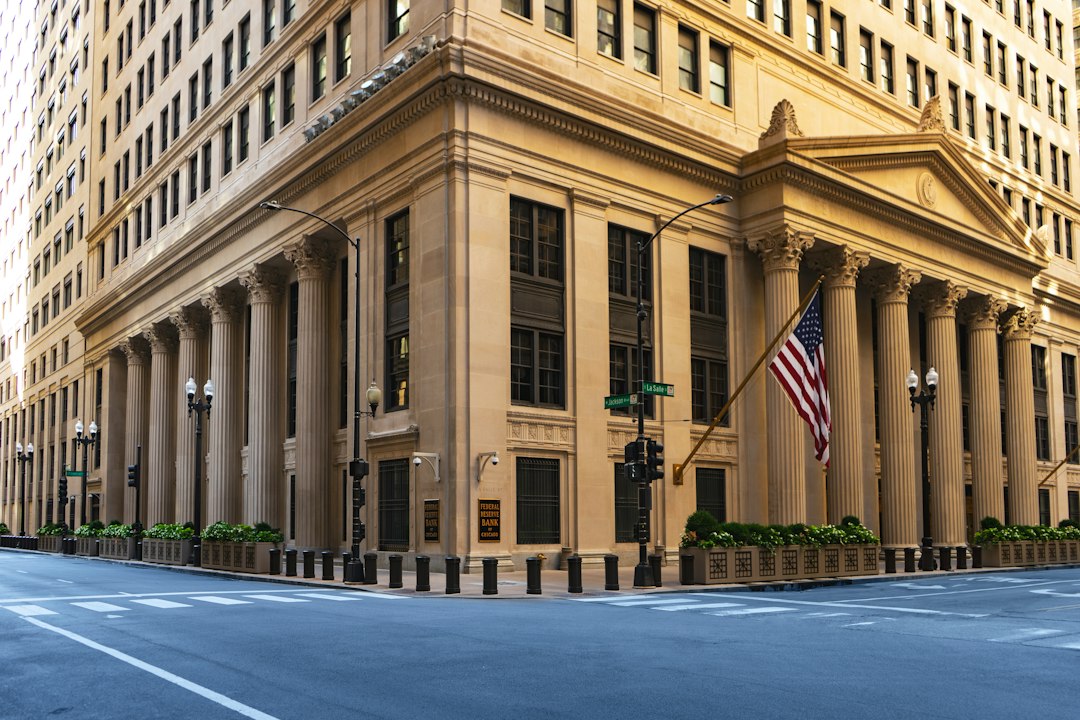
    a large building with columns and a flag on the corner
    Photo by Joshua Woroniecki on Unsplash
    Key facts

    • US GDP expanded at a 3.4% annualized rate in the third quarter, topping the 3.2% pace economists polled by Reuters had expected, according to the Commerce Department's Bureau of Economic Analysis
    • The Fed's preferred inflation measure, the PCE price index, rose 3.6% year-on-year in September, up from the prior month, Korea Times reported
    • Consumer spending climbed 3.8% and business equipment investment jumped 20.9%, largely tied to AI-related spending, per Korea Times
    • The Federal Reserve left its benchmark rate unchanged in a 3.75%-4.00% range this week, saying inflation remains elevated
    • Average US gasoline prices were up 42% versus year-ago levels, according to AAA data cited by Korea Times, which linked the increase to the US-Israel conflict with Iran

    What happened

    Commerce Department data released Thursday showed gross domestic product growing faster than the 3.2% pace economists polled by Reuters had anticipated, and marking the strongest quarterly reading in roughly a year, Korea Times reported. The agency attributed the gain to higher investment, steady household spending and increased government outlays, which were only partly offset by a drop in exports.

    Consumer spending advanced 3.8% for the quarter, while business investment in equipment leapt 20.9%, driven in large part by companies pouring money into artificial intelligence systems and the infrastructure needed to run them, Korea Times noted. At the same time, the PCE price index — the inflation measure the Fed tracks most closely — rose 3.6% from a year earlier in September, up from August’s reading.

    Why it matters

    The combination of brisk growth and persistent price pressure puts the Fed in an awkward spot. The central bank left its policy rate unchanged in a 3.75% to 4.00% range this week, noting that inflation has yet to cool to target, Korea Times reported. Economists quoted in the coverage argued that the GDP and inflation figures together make a case for the Fed tightening policy again in December rather than loosening it.

    RSM chief economist Joseph Brusuelas, cited by Korea Times, said the data illustrated an economy running near full capacity alongside an unprecedented wave of business investment, adding that anyone looking for evidence to justify further Fed action on prices would find plenty in the latest spending and inflation numbers.
    grocery store aisle with stocked shelves
    Photo by Franki Chamaki on Unsplash

    Background

    The growth figures land awkwardly for the Trump administration, which has pointed to economic strength even as many households report feeling squeezed by costs. Public sentiment has soured, with the president’s approval ratings reportedly at record lows and consumer confidence slipping, according to Korea Times. The gap between strong macro data and gloomy household perceptions has become a recurring theme in US economic coverage this year.

    Elevated energy costs are part of that disconnect. Korea Times reported that average US gasoline prices have risen 42% compared with a year earlier, according to AAA, a jump the outlet linked to retaliatory measures following the US-Israel conflict with Iran that pushed global energy prices higher. Trump’s broader tariff agenda has also been cited as a factor reshaping trade flows and adding to price pressures.

    What to watch

    The GDP and inflation releases arrived just before US midterm elections, in which control of both chambers of Congress is at stake, according to Korea Times. Analysts will be watching whether voters weigh the strong growth numbers more heavily than their own cost-of-living concerns at the ballot box.

    On the policy side, the Fed’s next meeting in December will be closely watched given the acknowledgment that inflation remains elevated even as growth beats expectations. Our read: a resilient economy paired with sticky inflation narrows the Fed’s room to maneuver, making its coming decisions a key signal for how it balances growth against price stability. Markets will likely parse any fresh data on consumer spending, business investment and inflation for clues on the central bank’s next move.

    Frequently asked questions

    How fast did the US economy grow in the third quarter?

    The US economy expanded at an annualized rate of 3.4%, according to the Commerce Department's Bureau of Economic Analysis, beating the 3.2% pace economists polled by Reuters had forecast.

    What happened to inflation in September?

    The PCE price index, the Fed's preferred inflation gauge, rose 3.6% year-on-year in September, an acceleration from the previous month, Korea Times reported.

    Did the Federal Reserve change interest rates?

    No, the Fed kept its benchmark rate in the 3.75%-4.00% range this week while acknowledging that inflation remains elevated, according to Korea Times.

    Sources

    This article was prepared with AI assistance from the reports listed above and automatically checked against them. See About for how we work.
  • Why the Fed Held Rates Steady Despite High Inflation

    Why the Fed Held Rates Steady Despite High Inflation

    The US Federal Reserve left its benchmark interest rate unchanged this week, holding it in a 3.75 to 4.00 percent range even as inflation remains a pressing concern for households and a hot-button issue in upcoming midterm elections, according to SCMP and Yonhap.

    1 U.S.A dollar banknotes
    Photo by Alexander Grey on Unsplash
    Key facts

    • The Federal Open Market Committee voted 10-2 to keep the benchmark rate at 3.75-4.00 percent, according to Yonhap and SCMP
    • The pause came just days before US midterm elections in which inflation has been a central issue, per SCMP
    • The hold follows a quarter-point hike at the prior meeting; SCMP describes it as the first increase in three years, while Yonhap says it was the first since July 2023
    • The gap between US and South Korean benchmark rates now stands at up to one percentage point, Yonhap reported
    • PIMCO had forecast the October pause, followed by another quarter-point increase in December, according to Yonhap

    What happened

    Policymakers on the Federal Open Market Committee met over two days and voted 10-2 to keep rates steady, both outlets reported. The move follows a quarter-point increase delivered at the previous meeting. Accounts of how significant that earlier hike was differ slightly: SCMP described it as the Fed’s first rate increase in three years, while Yonhap characterized it as the first hike since July 2023. Either way, both reports agree the central bank had been signaling it might raise rates again before now, citing persistent inflation and elevated oil prices.

    In its statement, the Fed pointed to a resilient economy as grounds for patience. It noted that domestic spending has held up well, productivity growth is strong, and capital investment remains robust. The central bank also said hiring has kept pace with the available workforce and that unemployment has barely moved. Rather than tightening further right away, the Fed said it wants to gather more data before deciding what comes next, aiming to bring inflation back down to its 2 percent target over time.

    Why it matters

    Holding rates steady rather than hiking again signals that the Fed sees room to wait, even with inflation still running hot. For markets, that confirms expectations: the decision matched what investors and analysts had already priced in. Pacific Investment Management Co. (PIMCO) had predicted this exact sequence — a pause in October followed by a further quarter-point increase in December — according to Yonhap, suggesting the Fed’s messaging has remained fairly predictable to large institutional investors.

    The decision also has ripple effects beyond US borders. Yonhap noted that the rate gap between the US and South Korea now sits at up to one percentage point. Interest rate differentials like this can influence currency movements and cross-border investment flows, since money tends to chase higher returns, though neither source detailed specific market reactions in Asia.

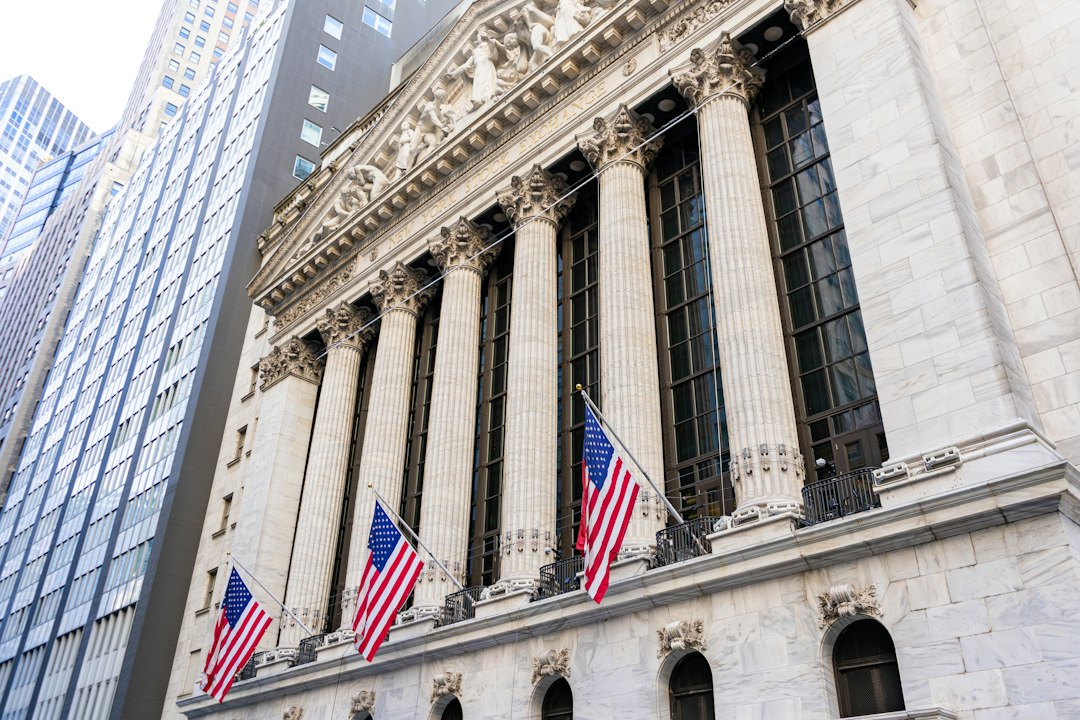
    New york stock exchange building with american flags
    Photo by Maxim Klimashin on Unsplash

    Background

    Central banks typically raise interest rates to cool inflation by making borrowing more expensive, which can slow spending and investment. But hiking too aggressively risks choking off economic growth or triggering job losses. A pause, like the one the Fed just delivered, often reflects a balancing act: policymakers want to see whether previous hikes are working their way through the economy before deciding whether more tightening is needed.

    The timing here added a political dimension. The decision landed just ahead of US midterm elections in which inflation has been a major talking point for voters, per SCMP’s reporting. While the Fed operates independently of electoral politics, the optics of a rate decision landing so close to a major vote inevitably draw scrutiny.

    What to watch

    The most immediate signal to watch is whether the Fed follows the path PIMCO has forecast: another quarter-point increase in December. If inflation data firms up or weakens significantly between now and then, that could shift the central bank’s calculus.

    Our read: the Fed’s language about wanting more information suggests it is trying to thread a narrow path—avoiding an overcorrection while still keeping its 2 percent inflation target in sight. Whether that balance holds will likely depend on economic data released in the coming weeks, particularly around employment and consumer prices.

    Frequently asked questions

    What interest rate range did the Fed settle on?

    The Federal Reserve kept its benchmark rate within a 3.75 to 4.00 percent range, a decision reached by a 10-2 vote of the FOMC.

    Why didn't the Fed raise rates again given high inflation?

    The Fed said it wanted more economic data before deciding its next move, even as it described the economy as expanding strongly with resilient spending and a steady labor market.

    What comes next for US rates?

    According to Yonhap, bond manager PIMCO expects the Fed to follow this pause with another quarter-point rate increase in December.

    Sources

    This article was prepared with AI assistance from the reports listed above and automatically checked against them. See About for how we work.