South Korea’s largest banking groups closed out the first nine months of the year with record profits, even as financial regulators sharpen their focus on cybersecurity lapses and governance failures across the sector.
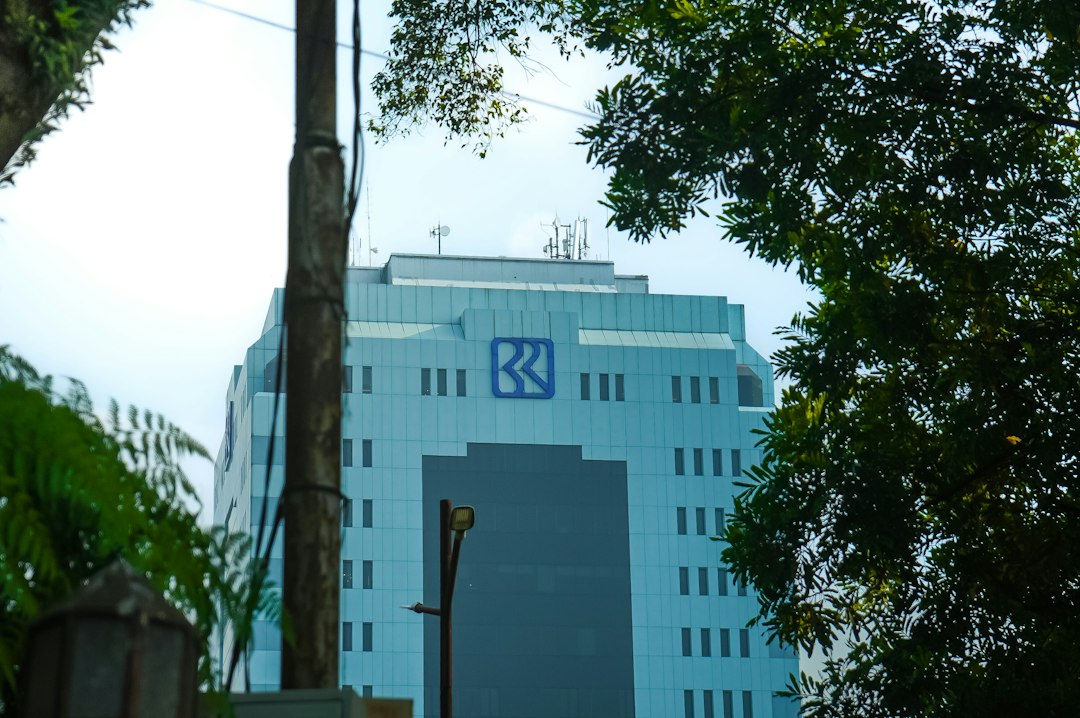
- KB Financial Group's nine-month net profit reached a record 5.79 trillion won, up 13.1 percent from a year earlier, according to the Korea Herald.
- Shinhan Financial Group also posted a record nine-month profit of 5.03 trillion won, with third-quarter profit up 11.3 percent year-on-year, per the Korea Times.
- Combined third-quarter net profit at KB, Shinhan, Hana and Woori totaled 5.76 trillion won, the Korea Times reported.
- Hana posted its highest quarterly profit since its 2015 merger with Korea Exchange Bank, while Woori was the only one of the four to see profit fall, down 15.7 percent.
- Financial Supervisory Service Governor Lee Chan-jin pressed banking executives on cybersecurity and internal controls following a string of data breaches, the Korea Times reported.
What happened
KB Financial Group reported its strongest nine-month performance ever, with net profit climbing 13.1 percent from the same period last year to reach 5.79 trillion won, according to the Korea Herald. The gain was largely fueled by a surge in fee income tied to brokerage activity and investment products, which jumped 38.5 percent to 4.09 trillion won over the nine-month stretch. Quarterly results told a slightly different story: KB’s third-quarter profit of 1.91 trillion won marked a step down of 4.3 percent from the prior quarter’s peak, even though it remained well above year-ago levels.
Shinhan Financial Group posted similarly strong numbers, with its own nine-month profit setting a new high at 5.03 trillion won, the Korea Times reported. Its third-quarter profit of 1.58 trillion won represented an 11.3 percent increase from a year earlier. Hana Financial Group logged a third-quarter profit of 1.22 trillion won, its best quarterly showing since the 2015 merger that combined Hana Bank with Korea Exchange Bank. Woori Financial Group broke from the pack, with third-quarter profit sliding 15.7 percent to 1.04 trillion won — still enough to mark its second straight quarter above the 1 trillion won mark, a first since the group’s founding in 2019. Altogether, the four groups’ combined third-quarter profit reached 5.76 trillion won, per the Korea Times.
Why it matters
These results show South Korea’s banking sector remains highly profitable, with fee-based businesses like brokerage and asset management increasingly supplementing traditional lending income. That diversification has helped firms like KB post standout growth even when trading conditions cooled later in the period.
Our read: the profit figures arrive just as regulators are demanding more from these same institutions on risk controls. That timing puts pressure on banking groups to prove that strong earnings aren’t masking weaknesses in how they manage emerging threats like cyberattacks.

Background
South Korea’s financial holding companies have consolidated significant market power over the past decade, with a handful of large groups dominating retail and corporate banking alongside brokerage and insurance arms. This structure allows cross-selling of financial products, which has become a growing profit driver. At the same time, concentrated market power has drawn ongoing attention from regulators concerned about systemic risk and consumer protection.
According to the Korea Times, a recent string of cyberattacks and resulting data leaks across the financial industry has heightened concerns about the sophistication of threats, including tools powered by artificial intelligence. Financial Supervisory Service Governor Lee Chan-jin reportedly urged banking executives to strengthen their security systems and internal oversight during a meeting this week.
What to watch
Analysts and industry officials will likely watch whether fee income from brokerage and investment products can sustain its growth pace into the final quarter, given that trading activity already showed signs of softening in KB’s case. Regulatory follow-through is another factor to track, as supervisors continue pressing financial groups on data security and governance standards.
Woori’s performance also bears watching, since its profit decline stood out against gains at its three largest peers. Whether that trend continues or reverses could shape how the broader sector is perceived heading into next year.
Frequently asked questions
Which South Korean bank posted the biggest nine-month profit?
KB Financial Group led with a record 5.79 trillion won in net profit for the first nine months, according to the Korea Herald.
Did all four major banking groups see profit growth?
No. While KB, Shinhan and Hana posted gains, Woori's third-quarter net profit fell 15.7 percent to 1.04 trillion won, per the Korea Times.
Why are regulators paying closer attention to these banks now?
A recent wave of cyberattacks and data leaks, combined with governance concerns, prompted the Financial Supervisory Service to demand stronger accountability from financial holding companies.
Sources
- The Korea Herald: KB Financial retains profit crown with record W5.79tr earnings
- The Korea Times: Major financial groups enjoy strong Q3 earnings, but face mounting regulatory pressure
This article was prepared with AI assistance from the reports listed above and automatically checked against them. See About for how we work.