A technical fault in the computer network linking airlines to Incheon International Airport’s check-in software triggered widespread delays on Friday, Oct. 30, 2026, leaving passengers at 13 carriers facing long waits, according to Yonhap and The Korea Times.
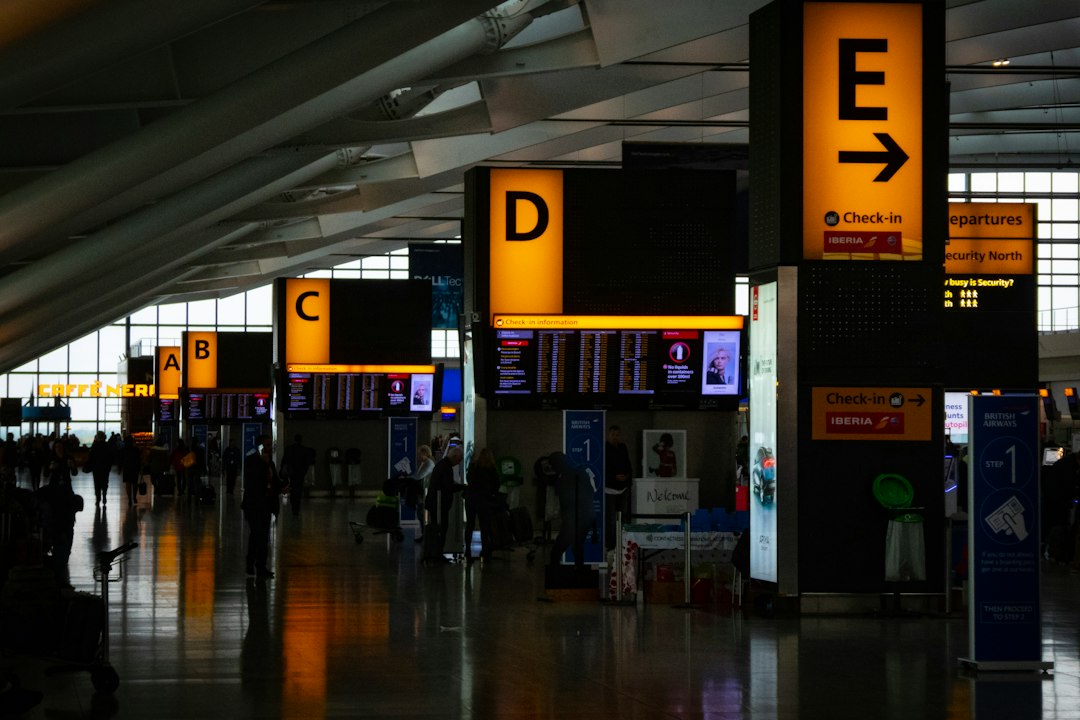
- The malfunction began around 4:30 a.m. on Friday, Oct. 30, 2026, according to Incheon International Airport Corp., as cited by Yonhap and The Korea Times.
- Thirteen airlines were affected in total — eight operating from Terminal 1 and five from Terminal 2 — with intermittent connectivity problems, per Yonhap.
- By 2:19 p.m., check-in processing had come to a near-total stop for three Chinese carriers: China Southern Airlines, China Eastern Airlines and Air China, The Korea Herald and The Straits Times reported.
- The airport operator said the issue likely stemmed from instability within ARINC, a US-based global airline network provider, according to Yonhap and The Korea Times.
- Passengers formed long lines at counters, with some saying airlines gave no estimate of when service would resume despite nearing departure times, Yonhap reported.
What happened
The airport operator, Incheon International Airport Corp., said the trouble surfaced at roughly 4:30 a.m. inside the digital system that connects airlines to their ticketing platforms at the country’s busiest gateway. Communication between several carriers and the airport’s check-in infrastructure became unreliable throughout the morning, with eight airlines based in Terminal 1 and another five in Terminal 2 experiencing on-and-off outages, Yonhap reported.
The situation worsened as the day went on. By 2:19 p.m., three Chinese airlines — China Southern Airlines, China Eastern Airlines and Air China — had effectively lost the ability to process passengers at all, according to both The Korea Herald and The Straits Times. Queues stretched out from check-in desks as staff struggled to manage travelers manually, and some passengers told reporters, per Yonhap, that airline staff could not tell them when the system might be restored even as their boarding times approached.
Why it matters
Incheon is South Korea’s primary international airport, and a breakdown affecting over a dozen airlines at once shows how dependent modern air travel is on shared digital infrastructure. When one piece of that network falters, the effects can ripple across multiple carriers and terminals simultaneously rather than staying isolated to a single airline.
Our read: incidents like this highlight a vulnerability in commercial aviation — airlines increasingly rely on outside vendors for core functions such as ticketing, so a single point of failure can cascade into delays affecting thousands of travelers regardless of which airline they booked with.
Background
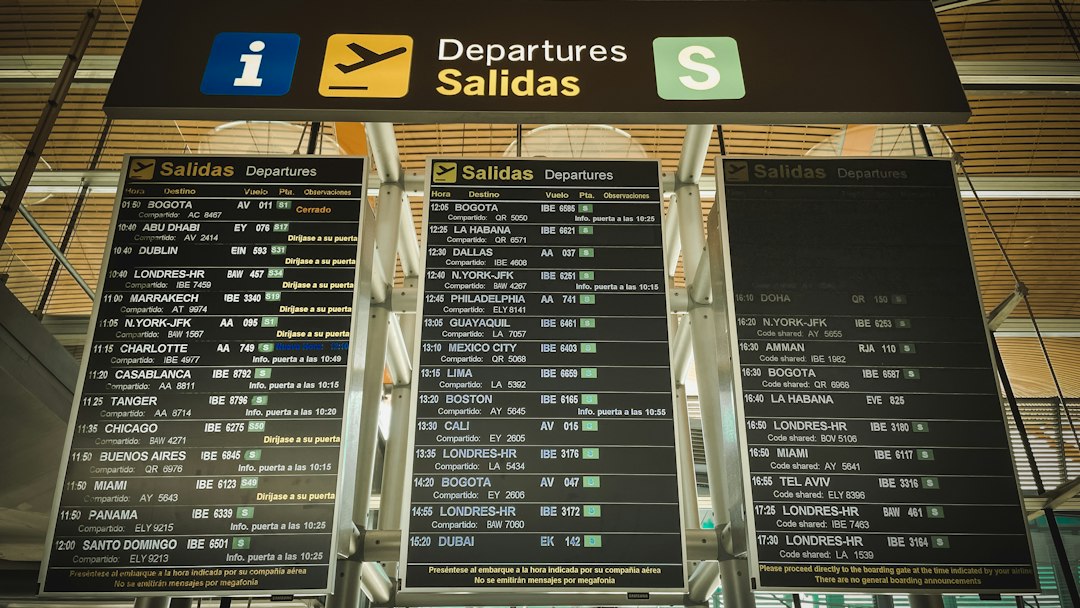
The airport corporation traced the likely source of the problem to ARINC, a US-based company that operates a global data network used by airlines for operations such as passenger processing, according to Yonhap and The Korea Times. Disruptions tied to shared aviation technology providers are not unique to South Korea; airports and airlines worldwide depend on similar third-party systems to keep check-in and boarding running smoothly, and any instability in those networks can quickly affect multiple carriers at different locations.
An airport official, quoted by The Straits Times, said that flight delays were concentrated among the airlines whose ticketing had been suspended and noted that a detailed review of the incident would follow.
What to watch
It remains to be seen how Incheon Airport Corp. and ARINC will explain the root technical cause once their assessment is complete, and whether any structural fixes will be announced to prevent a repeat. Travelers flying with the affected carriers, particularly China Southern, China Eastern and Air China, may want to confirm check-in status directly with their airline before heading to the airport in the near term.
Reporting from Yonhap, The Korea Times, The Korea Herald and The Straits Times is consistent on the timeline and the airlines involved, with Yonhap and The Korea Times providing the additional detail that ARINC’s network was the suspected source of the instability.
Frequently asked questions
What triggered the Incheon Airport check-in disruption?
According to Incheon International Airport Corp., as reported by Yonhap and The Korea Times, the trouble was likely linked to instability in the network run by ARINC, a US-based aviation service provider used for ticketing connections.
Which airlines were hit hardest?
Three Chinese carriers — China Southern Airlines, China Eastern Airlines and Air China — saw their check-in processing effectively stop by early afternoon, per The Korea Herald and The Straits Times.
How many airlines were affected overall?
Thirteen airlines experienced some level of disruption — eight based in Terminal 1 and five in Terminal 2 — according to Yonhap's report citing the airport operator.
Sources
- The Korea Herald: 13 airlines hit by check-in disruption at Incheon Airport
- The Korea Times: Check-in system malfunction at Incheon airport causes major delays
- The Straits Times: 13 airlines hit by check-in disruption at Incheon Airport
- Yonhap News: Check-in system malfunction at Incheon airport causes major delays
This article was prepared with AI assistance from the reports listed above and automatically checked against them. See About for how we work.