Slow Living, Asian Wisdom

블로그

  • North Korea Linked to Record $6.3B Binance Crypto Heist

    North Korea Linked to Record $6.3B Binance Crypto Heist

    Binance, the world’s largest cryptocurrency exchange, said on Oct. 30 that hackers made off with approximately $6.3 billion in digital assets, a sum Yonhap reported as $6.36 billion citing blockchain intelligence firm TRM Labs. Investigators have linked the breach to TraderTraitor, a hacking group tied to North Korea, in what analysts describe as the largest cryptocurrency theft ever recorded.

    person using black and gray laptop computer
    Photo by Kanchanara on Unsplash
    Key facts

    • Binance disclosed on Oct. 30 that roughly $6.3 billion in crypto was stolen, with Yonhap citing TRM Labs at $6.36 billion, the largest such theft on record
    • TRM Labs says the group known as TraderTraitor took funds across 10 blockchain networks, with most of the haul moved in about 20 minutes after roughly 36 hours of preparation
    • Around $2.7 to $3 billion of the stolen assets have reportedly been frozen through cooperation among crypto firms, while about $2.4 billion in Bitcoin and Ethereum remained with the hackers, per Yonhap
    • Chainalysis says North Korea had already stolen at least $6.75 billion in crypto through the end of 2025, and researcher Michael Barnhart puts the regime's cumulative total near $13.5 billion after the Binance hack
    • Bitcoin fell about 4% to the $78,000 range, its lowest in a month, and South Korea's Upbit warned users about withdrawals tied to Binance, BusinessKorea reported

    What happened

    According to TRM Labs, the attackers spent at least 36 hours preparing before striking, ultimately pulling funds from 10 separate blockchain networks and moving most of the stolen assets within roughly 20 minutes. The firm said it believes the hackers gained entry to systems that authorize cryptocurrency transfers, and BusinessKorea reported that the intrusion traced back to an unauthorized withdrawal path accessed through an engineer’s laptop. TRM Labs also raised the possibility that the signature system behind Binance’s internet-connected hot wallet had been compromised.

    Binance halted deposits and withdrawals while reviewing its security and said customer funds remained safe, pledging to cover losses using insurance reserves and company funds. Co-CEO Richard Teng wrote on social media platform X that the exchange was working continuously to resolve the situation. Industry-wide cooperation has reportedly frozen between $2.7 billion and $3 billion of the stolen assets, according to TRM Labs and Binance, though Yonhap reported that hackers still held about $2.4 billion worth of Bitcoin and Ethereum, with concerns they could attempt to obscure the funds by shifting them across platforms and networks.

    Why it matters

    The theft dwarfs North Korea’s previous record haul, the $1.5 billion taken from exchange Bybit in February 2025, which U.S. authorities also attributed to TraderTraitor. Cybersecurity experts told Straits Times that proceeds from such thefts help finance North Korea’s weapons programs. The shock rippled through markets: Bitcoin dropped about 4% to the $78,000 range, its weakest level in a month, while stablecoin issuers Tether and Circle moved to freeze tokens tied to Binance, BusinessKorea reported. South Korea’s largest exchange, Upbit, told users to be cautious with transfers to Binance amid the fallout.

    Matrix movie still
    Photo by Markus Spiske on Unsplash

    Background

    TraderTraitor first drew formal attention in a 2022 joint advisory from the FBI, CISA and the U.S. Treasury, which detailed how the group used malicious software, bogus job postings and fake interviews to infiltrate developers and IT staff at crypto firms, extracting login credentials and sensitive data. Researcher Michael Barnhart of DTEX described the unit as North Korea’s most capable hacking operation, staffed by veterans of the regime’s former APT38 cyber ranks. Beyond Bybit, the group was also tied to a $387 million theft from exchange Bitget in September, and Chainalysis reported that North Korea had stolen at least $6.75 billion in crypto through the end of 2025 alone. Barnhart estimates the country’s cumulative crypto theft now stands near $13.5 billion. Yonhap noted that U.S. officials have previously said North Korea relies on overseas nationals and facilitators in countries including China, Russia, Cambodia and Vietnam to convert stolen assets into usable currency.

    What to watch

    Attention now turns to whether the roughly $2.4 billion still in hackers’ hands can be tracked or frozen before it is laundered through additional networks. Binance’s compensation process and the outcome of its security review will likely shape user confidence, while South Korea has seen separate incidents, including a breach of customer data at Bithumb and a smaller theft of around 100 million won, roughly $75,000, in virtual assets, according to BusinessKorea. Our read: the scale and speed of this attack suggest exchange security measures may need to evolve faster than the threat posed by state-linked hacking groups.

    Frequently asked questions

    How much was stolen from Binance?

    Binance said on Oct. 30 that the theft totaled about $6.3 billion, while Yonhap reported blockchain firm TRM Labs put the figure at $6.36 billion, making it the largest crypto theft on record.

    Who is blamed for the hack?

    Blockchain investigators TRM Labs and Chainalysis attribute the attack to TraderTraitor, a North Korean hacking group also linked to the 2025 Bybit and Bitget hacks.

    Has any of the stolen money been recovered?

    Binance and partner firms say they have frozen between roughly $2.7 billion and $3 billion of the stolen funds, though around $2.4 billion in Bitcoin and Ethereum reportedly remained under the hackers' control, according to Yonhap.

    Sources

    This article was prepared with AI assistance from the reports listed above and automatically checked against them. See About for how we work.
  • What Caused Incheon Airport’s Check-In Meltdown on 13 Airlines

    What Caused Incheon Airport’s Check-In Meltdown on 13 Airlines

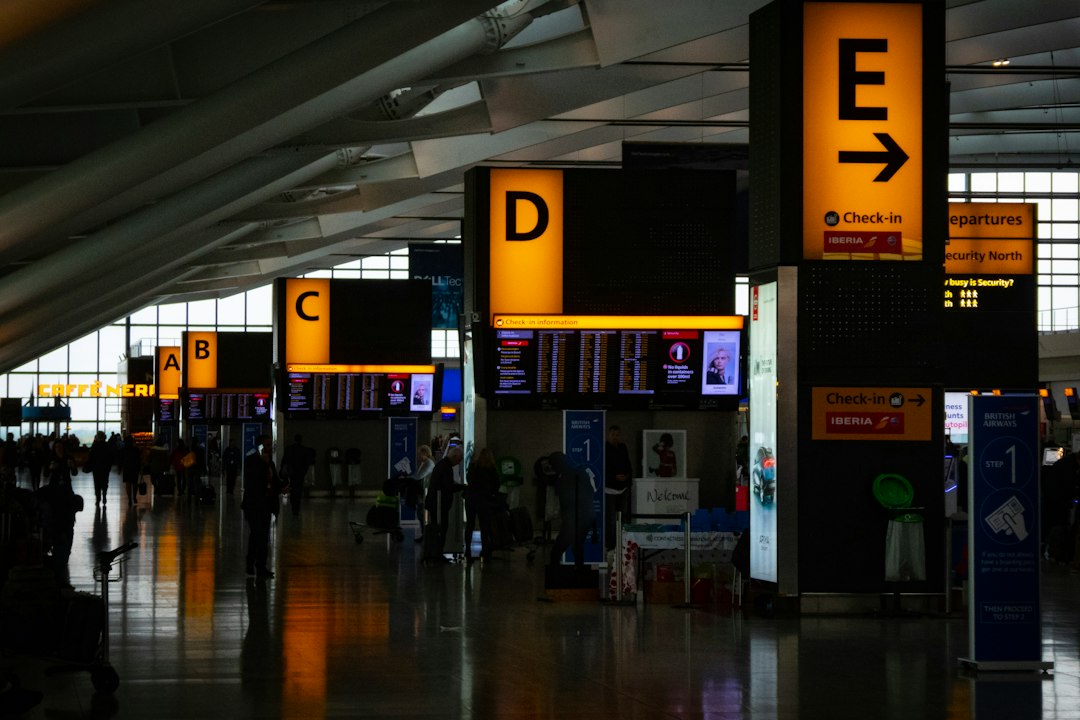
    A technical fault in the computer network linking airlines to Incheon International Airport’s check-in software triggered widespread delays on Friday, Oct. 30, 2026, leaving passengers at 13 carriers facing long waits, according to Yonhap and The Korea Times.

    building interior photograph
    Photo by Nick Fewings on Unsplash
    Key facts

    • The malfunction began around 4:30 a.m. on Friday, Oct. 30, 2026, according to Incheon International Airport Corp., as cited by Yonhap and The Korea Times.
    • Thirteen airlines were affected in total — eight operating from Terminal 1 and five from Terminal 2 — with intermittent connectivity problems, per Yonhap.
    • By 2:19 p.m., check-in processing had come to a near-total stop for three Chinese carriers: China Southern Airlines, China Eastern Airlines and Air China, The Korea Herald and The Straits Times reported.
    • The airport operator said the issue likely stemmed from instability within ARINC, a US-based global airline network provider, according to Yonhap and The Korea Times.
    • Passengers formed long lines at counters, with some saying airlines gave no estimate of when service would resume despite nearing departure times, Yonhap reported.

    What happened

    The airport operator, Incheon International Airport Corp., said the trouble surfaced at roughly 4:30 a.m. inside the digital system that connects airlines to their ticketing platforms at the country’s busiest gateway. Communication between several carriers and the airport’s check-in infrastructure became unreliable throughout the morning, with eight airlines based in Terminal 1 and another five in Terminal 2 experiencing on-and-off outages, Yonhap reported.

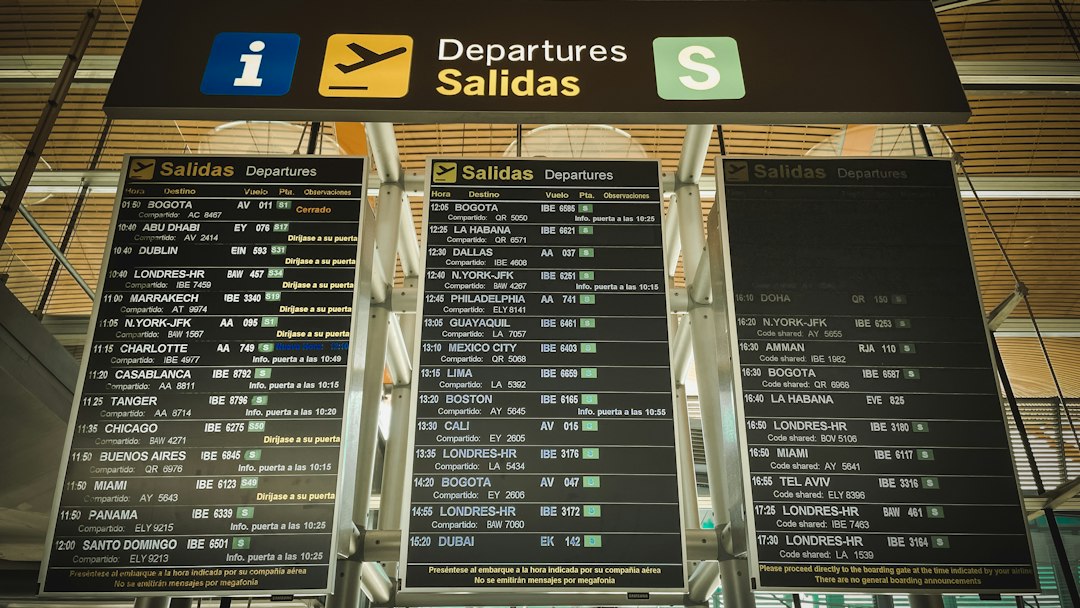
    The situation worsened as the day went on. By 2:19 p.m., three Chinese airlines — China Southern Airlines, China Eastern Airlines and Air China — had effectively lost the ability to process passengers at all, according to both The Korea Herald and The Straits Times. Queues stretched out from check-in desks as staff struggled to manage travelers manually, and some passengers told reporters, per Yonhap, that airline staff could not tell them when the system might be restored even as their boarding times approached.

    Why it matters

    Incheon is South Korea’s primary international airport, and a breakdown affecting over a dozen airlines at once shows how dependent modern air travel is on shared digital infrastructure. When one piece of that network falters, the effects can ripple across multiple carriers and terminals simultaneously rather than staying isolated to a single airline.

    Our read: incidents like this highlight a vulnerability in commercial aviation — airlines increasingly rely on outside vendors for core functions such as ticketing, so a single point of failure can cascade into delays affecting thousands of travelers regardless of which airline they booked with.

    a sign that is in front of a building
    Photo by Jametlene Reskp on Unsplash

    Background

    The airport corporation traced the likely source of the problem to ARINC, a US-based company that operates a global data network used by airlines for operations such as passenger processing, according to Yonhap and The Korea Times. Disruptions tied to shared aviation technology providers are not unique to South Korea; airports and airlines worldwide depend on similar third-party systems to keep check-in and boarding running smoothly, and any instability in those networks can quickly affect multiple carriers at different locations.

    An airport official, quoted by The Straits Times, said that flight delays were concentrated among the airlines whose ticketing had been suspended and noted that a detailed review of the incident would follow.

    What to watch

    It remains to be seen how Incheon Airport Corp. and ARINC will explain the root technical cause once their assessment is complete, and whether any structural fixes will be announced to prevent a repeat. Travelers flying with the affected carriers, particularly China Southern, China Eastern and Air China, may want to confirm check-in status directly with their airline before heading to the airport in the near term.

    Reporting from Yonhap, The Korea Times, The Korea Herald and The Straits Times is consistent on the timeline and the airlines involved, with Yonhap and The Korea Times providing the additional detail that ARINC’s network was the suspected source of the instability.

    Frequently asked questions

    What triggered the Incheon Airport check-in disruption?

    According to Incheon International Airport Corp., as reported by Yonhap and The Korea Times, the trouble was likely linked to instability in the network run by ARINC, a US-based aviation service provider used for ticketing connections.

    Which airlines were hit hardest?

    Three Chinese carriers — China Southern Airlines, China Eastern Airlines and Air China — saw their check-in processing effectively stop by early afternoon, per The Korea Herald and The Straits Times.

    How many airlines were affected overall?

    Thirteen airlines experienced some level of disruption — eight based in Terminal 1 and five in Terminal 2 — according to Yonhap's report citing the airport operator.

    Sources

    This article was prepared with AI assistance from the reports listed above and automatically checked against them. See About for how we work.

  • Why Korean Stocks Sank Over 3% on Global AI Jitters

    Why Korean Stocks Sank Over 3% on Global AI Jitters

    South Korea’s benchmark KOSPI index tumbled 3.48 percent on Friday, closing at 5,730.74 after a wave of selling hit semiconductor stocks, as global investors grew increasingly anxious about whether massive spending on artificial intelligence will actually pay off, according to Yonhap and The Korea Herald.

    graphical user interface, application
    Photo by Anne Nygård on Unsplash
    Key facts

    • KOSPI closed at 5,730.74, down 206.92 points or 3.48 percent, after dropping as low as 5,599.42, according to Yonhap and The Korea Herald
    • The Korea Exchange activated a sell-side sidecar shortly after 10 a.m., the first such halt in 11 trading sessions, The Korea Times reported
    • SK hynix dropped 7.08 percent and Samsung Electronics fell 3.02 percent, per Yonhap
    • Alphabet shares plunged more than 12 percent after third-quarter revenue of $127.58 billion came in below market expectations, Yonhap reported
    • The Kosdaq index fell 3.83 percent to 724.38, and the Korean won strengthened against the US dollar, according to Korea Herald and Hankyoreh

    What happened

    The index opened nearly 3 percent lower and kept sliding, briefly touching 5,599.42 before paring some losses, Yonhap reported. The drop was steep enough to trigger a sell-side sidecar on the Korea Exchange shortly after 10 a.m. local time — a mechanism that temporarily halts program sell orders when KOSPI 200 futures fall 5 percent or more within a minute. The Korea Times noted this was the first such activation in 11 trading sessions.

    Chip giants bore the brunt of the decline. SK hynix slid 7.08 percent and Samsung Electronics dropped 3.02 percent, Yonhap reported, dragging down the broader market given their outsized weight in the index. The tech-focused Kosdaq index also fell, closing down 3.83 percent at 724.38. Foreign investors were net sellers of Korean shares, while local institutions and individuals bought in, cushioning some of the day’s losses, according to Yonhap.

    Why it matters

    The rout traces back to Wall Street, where disappointing earnings from major US technology firms reignited doubts about the profitability of AI-related spending. Alphabet, Google’s parent company, saw its shares plunge more than 12 percent even though quarterly revenue rose 25 percent year-on-year to $127.58 billion — the growth simply fell short of what investors had been expecting, Yonhap reported. Amazon’s results and forward guidance also disappointed, drawing attention to the rising cost of building out AI infrastructure, The Korea Times noted.

    Because Korean chipmakers supply the memory and processing components that power AI systems worldwide, any wobble in confidence about AI’s near-term payoff tends to ripple quickly into their stock prices. Analyst Kang Jin-hyuk, cited by both Yonhap and The Korea Times, said back-to-back earnings disappointments from big tech firms and chipmakers sparked selling across the entire AI supply chain.

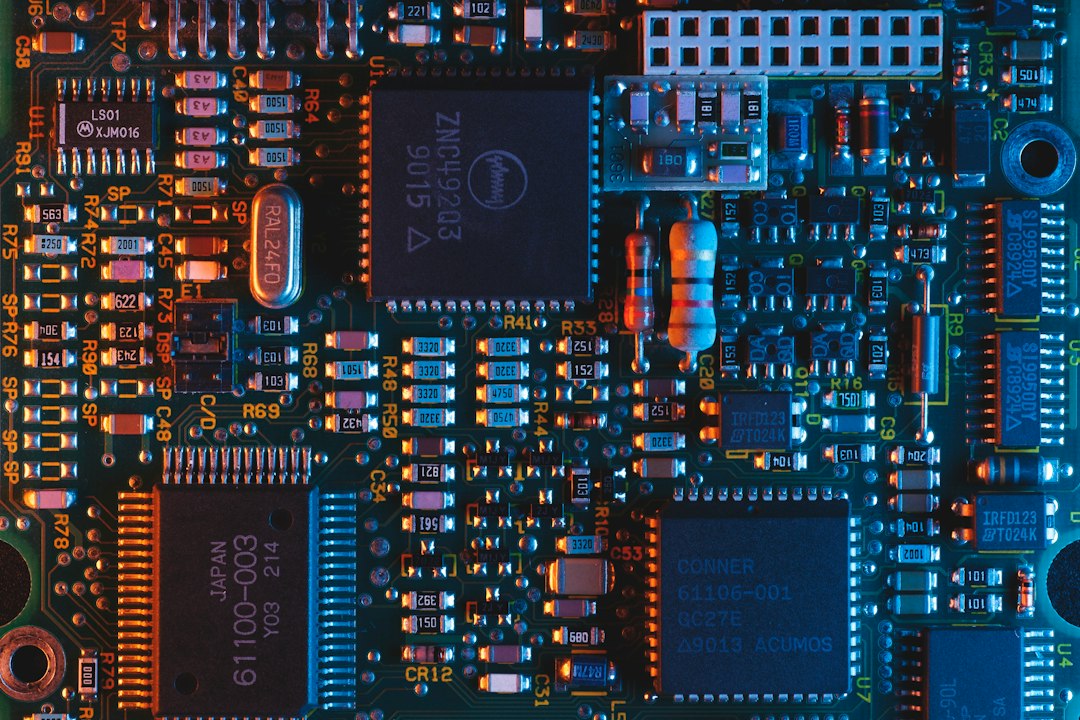
    blue circuit board
    Photo by Umberto on Unsplash

    Background

    Friday’s slide happened against a backdrop of persistent questions about how long the current AI investment boom can continue without clear signs of matching revenue. Major technology companies have been pouring enormous sums into AI infrastructure, and markets have grown more sensitive to any earnings report that suggests those bets are not generating sufficient returns. South Korea’s stock market, heavily weighted toward semiconductor exporters, is particularly exposed to swings in sentiment around global tech and AI spending.

    What to watch

    Analysts quoted in Korean media offered differing read on what comes next. Kang Jin-hyuk, cited in a Hankyoreh report, suggested the drop may reflect concerns over investment costs and monetization speed rather than a fundamental erosion of AI’s growth prospects, leaving room for a technical rebound after the sharp decline. He also pointed to unresolved foreign investor caution as a factor that could keep selling and buying pressure in tension for a while.

    Our read: the episode underscores how tightly linked Korean chip stocks have become to sentiment swings among a handful of US tech giants. Investors will likely watch upcoming earnings from major chipmakers and shifts in foreign fund flows for signs of whether this was a temporary correction or the start of a longer reassessment of AI-related valuations.

    Frequently asked questions

    Why did Korean stocks fall so sharply?

    A sell-off in semiconductor shares, triggered by weak US tech earnings and renewed doubts about returns on AI investment, pulled the KOSPI down 3.48 percent, according to Yonhap.

    Which Korean companies were hit hardest?

    Chipmaker SK hynix sank 7.08 percent and Samsung Electronics fell 3.02 percent, per Yonhap, as both are closely tied to global AI-related semiconductor demand.

    What triggered the US tech sell-off?

    Alphabet's quarterly revenue missed market expectations despite 25 percent year-on-year growth, sending its shares down more than 12 percent and unsettling AI-linked stocks worldwide, Yonhap reported.

    Sources

    This article was prepared with AI assistance from the reports listed above and automatically checked against them. See About for how we work.
  • US Economy Grows 3.4% in Q3 as Inflation Stays Elevated

    US Economy Grows 3.4% in Q3 as Inflation Stays Elevated

    The US economy expanded at an annualized rate of 3.4% in the third quarter, outpacing forecasts even as a key inflation gauge climbed further above the Federal Reserve’s comfort zone, according to the Commerce Department’s Bureau of Economic Analysis.

    a large building with columns and a flag on the corner
    Photo by Joshua Woroniecki on Unsplash
    Key facts

    • US GDP expanded at a 3.4% annualized rate in the third quarter, topping the 3.2% pace economists polled by Reuters had expected, according to the Commerce Department's Bureau of Economic Analysis
    • The Fed's preferred inflation measure, the PCE price index, rose 3.6% year-on-year in September, up from the prior month, Korea Times reported
    • Consumer spending climbed 3.8% and business equipment investment jumped 20.9%, largely tied to AI-related spending, per Korea Times
    • The Federal Reserve left its benchmark rate unchanged in a 3.75%-4.00% range this week, saying inflation remains elevated
    • Average US gasoline prices were up 42% versus year-ago levels, according to AAA data cited by Korea Times, which linked the increase to the US-Israel conflict with Iran

    What happened

    Commerce Department data released Thursday showed gross domestic product growing faster than the 3.2% pace economists polled by Reuters had anticipated, and marking the strongest quarterly reading in roughly a year, Korea Times reported. The agency attributed the gain to higher investment, steady household spending and increased government outlays, which were only partly offset by a drop in exports.

    Consumer spending advanced 3.8% for the quarter, while business investment in equipment leapt 20.9%, driven in large part by companies pouring money into artificial intelligence systems and the infrastructure needed to run them, Korea Times noted. At the same time, the PCE price index — the inflation measure the Fed tracks most closely — rose 3.6% from a year earlier in September, up from August’s reading.

    Why it matters

    The combination of brisk growth and persistent price pressure puts the Fed in an awkward spot. The central bank left its policy rate unchanged in a 3.75% to 4.00% range this week, noting that inflation has yet to cool to target, Korea Times reported. Economists quoted in the coverage argued that the GDP and inflation figures together make a case for the Fed tightening policy again in December rather than loosening it.

    RSM chief economist Joseph Brusuelas, cited by Korea Times, said the data illustrated an economy running near full capacity alongside an unprecedented wave of business investment, adding that anyone looking for evidence to justify further Fed action on prices would find plenty in the latest spending and inflation numbers.

    grocery store aisle with stocked shelves
    Photo by Franki Chamaki on Unsplash

    Background

    The growth figures land awkwardly for the Trump administration, which has pointed to economic strength even as many households report feeling squeezed by costs. Public sentiment has soured, with the president’s approval ratings reportedly at record lows and consumer confidence slipping, according to Korea Times. The gap between strong macro data and gloomy household perceptions has become a recurring theme in US economic coverage this year.

    Elevated energy costs are part of that disconnect. Korea Times reported that average US gasoline prices have risen 42% compared with a year earlier, according to AAA, a jump the outlet linked to retaliatory measures following the US-Israel conflict with Iran that pushed global energy prices higher. Trump’s broader tariff agenda has also been cited as a factor reshaping trade flows and adding to price pressures.

    What to watch

    The GDP and inflation releases arrived just before US midterm elections, in which control of both chambers of Congress is at stake, according to Korea Times. Analysts will be watching whether voters weigh the strong growth numbers more heavily than their own cost-of-living concerns at the ballot box.

    On the policy side, the Fed’s next meeting in December will be closely watched given the acknowledgment that inflation remains elevated even as growth beats expectations. Our read: a resilient economy paired with sticky inflation narrows the Fed’s room to maneuver, making its coming decisions a key signal for how it balances growth against price stability. Markets will likely parse any fresh data on consumer spending, business investment and inflation for clues on the central bank’s next move.

    Frequently asked questions

    How fast did the US economy grow in the third quarter?

    The US economy expanded at an annualized rate of 3.4%, according to the Commerce Department's Bureau of Economic Analysis, beating the 3.2% pace economists polled by Reuters had forecast.

    What happened to inflation in September?

    The PCE price index, the Fed's preferred inflation gauge, rose 3.6% year-on-year in September, an acceleration from the previous month, Korea Times reported.

    Did the Federal Reserve change interest rates?

    No, the Fed kept its benchmark rate in the 3.75%-4.00% range this week while acknowledging that inflation remains elevated, according to Korea Times.

    Sources

    This article was prepared with AI assistance from the reports listed above and automatically checked against them. See About for how we work.

  • South Korea’s Top Banks Hit Record Profits as Scrutiny Grows

    South Korea’s Top Banks Hit Record Profits as Scrutiny Grows

    South Korea’s largest banking groups closed out the first nine months of the year with record profits, even as financial regulators sharpen their focus on cybersecurity lapses and governance failures across the sector.

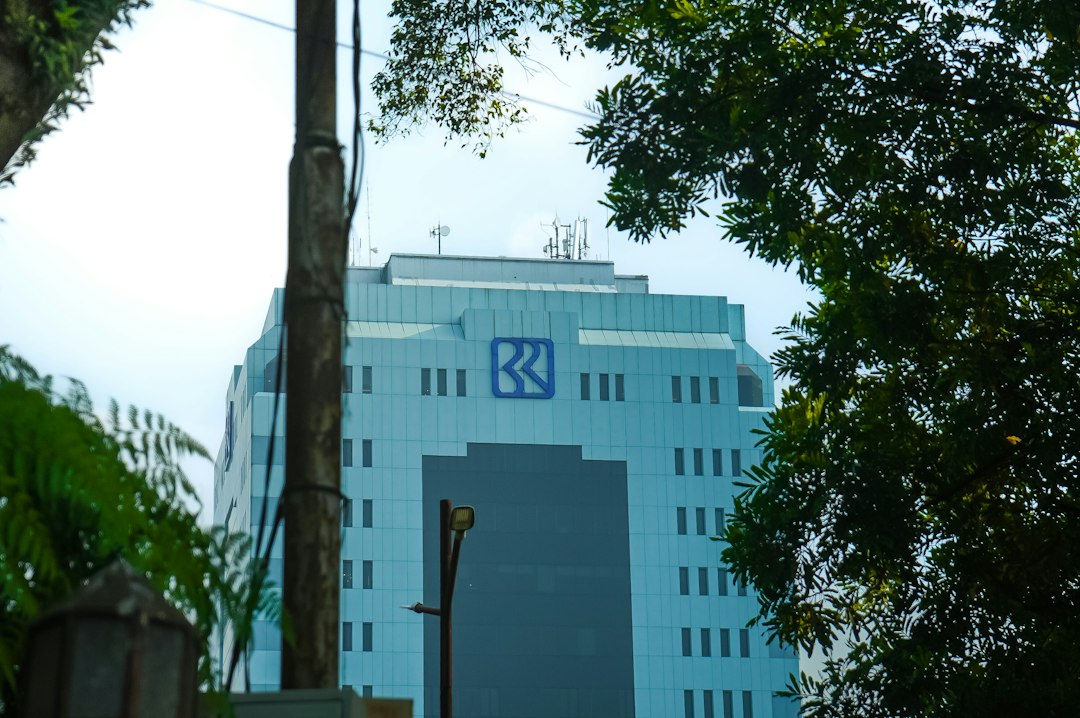
    Modern office building with blue facade and gray facade
    Photo by Abdul Ridwan on Unsplash
    Key facts

    • KB Financial Group's nine-month net profit reached a record 5.79 trillion won, up 13.1 percent from a year earlier, according to the Korea Herald.
    • Shinhan Financial Group also posted a record nine-month profit of 5.03 trillion won, with third-quarter profit up 11.3 percent year-on-year, per the Korea Times.
    • Combined third-quarter net profit at KB, Shinhan, Hana and Woori totaled 5.76 trillion won, the Korea Times reported.
    • Hana posted its highest quarterly profit since its 2015 merger with Korea Exchange Bank, while Woori was the only one of the four to see profit fall, down 15.7 percent.
    • Financial Supervisory Service Governor Lee Chan-jin pressed banking executives on cybersecurity and internal controls following a string of data breaches, the Korea Times reported.

    What happened

    KB Financial Group reported its strongest nine-month performance ever, with net profit climbing 13.1 percent from the same period last year to reach 5.79 trillion won, according to the Korea Herald. The gain was largely fueled by a surge in fee income tied to brokerage activity and investment products, which jumped 38.5 percent to 4.09 trillion won over the nine-month stretch. Quarterly results told a slightly different story: KB’s third-quarter profit of 1.91 trillion won marked a step down of 4.3 percent from the prior quarter’s peak, even though it remained well above year-ago levels.

    Shinhan Financial Group posted similarly strong numbers, with its own nine-month profit setting a new high at 5.03 trillion won, the Korea Times reported. Its third-quarter profit of 1.58 trillion won represented an 11.3 percent increase from a year earlier. Hana Financial Group logged a third-quarter profit of 1.22 trillion won, its best quarterly showing since the 2015 merger that combined Hana Bank with Korea Exchange Bank. Woori Financial Group broke from the pack, with third-quarter profit sliding 15.7 percent to 1.04 trillion won — still enough to mark its second straight quarter above the 1 trillion won mark, a first since the group’s founding in 2019. Altogether, the four groups’ combined third-quarter profit reached 5.76 trillion won, per the Korea Times.

    Why it matters

    These results show South Korea’s banking sector remains highly profitable, with fee-based businesses like brokerage and asset management increasingly supplementing traditional lending income. That diversification has helped firms like KB post standout growth even when trading conditions cooled later in the period.

    Our read: the profit figures arrive just as regulators are demanding more from these same institutions on risk controls. That timing puts pressure on banking groups to prove that strong earnings aren’t masking weaknesses in how they manage emerging threats like cyberattacks.

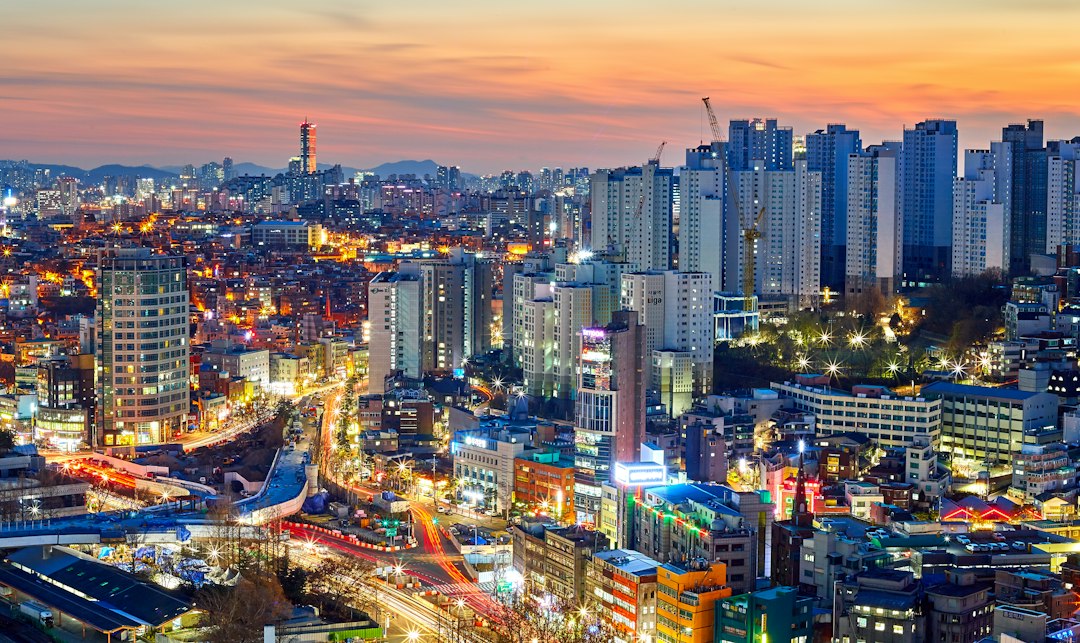
    A dense cityscape in Seoul, South Korea, under a warm orange sky at night
    Photo by Mathew Schwartz on Unsplash

    Background

    South Korea’s financial holding companies have consolidated significant market power over the past decade, with a handful of large groups dominating retail and corporate banking alongside brokerage and insurance arms. This structure allows cross-selling of financial products, which has become a growing profit driver. At the same time, concentrated market power has drawn ongoing attention from regulators concerned about systemic risk and consumer protection.

    According to the Korea Times, a recent string of cyberattacks and resulting data leaks across the financial industry has heightened concerns about the sophistication of threats, including tools powered by artificial intelligence. Financial Supervisory Service Governor Lee Chan-jin reportedly urged banking executives to strengthen their security systems and internal oversight during a meeting this week.

    What to watch

    Analysts and industry officials will likely watch whether fee income from brokerage and investment products can sustain its growth pace into the final quarter, given that trading activity already showed signs of softening in KB’s case. Regulatory follow-through is another factor to track, as supervisors continue pressing financial groups on data security and governance standards.

    Woori’s performance also bears watching, since its profit decline stood out against gains at its three largest peers. Whether that trend continues or reverses could shape how the broader sector is perceived heading into next year.

    Frequently asked questions

    Which South Korean bank posted the biggest nine-month profit?

    KB Financial Group led with a record 5.79 trillion won in net profit for the first nine months, according to the Korea Herald.

    Did all four major banking groups see profit growth?

    No. While KB, Shinhan and Hana posted gains, Woori's third-quarter net profit fell 15.7 percent to 1.04 trillion won, per the Korea Times.

    Why are regulators paying closer attention to these banks now?

    A recent wave of cyberattacks and data leaks, combined with governance concerns, prompted the Financial Supervisory Service to demand stronger accountability from financial holding companies.

    Sources

    This article was prepared with AI assistance from the reports listed above and automatically checked against them. See About for how we work.

  • Hanwha Aerospace Posts Q3 Net Loss on Delayed Arms Shipments

    Hanwha Aerospace Posts Q3 Net Loss on Delayed Arms Shipments

    Hanwha Aerospace, one of South Korea’s largest weapons makers, reported a net loss of 36.7 billion won ($27.5 million) for the third quarter, a reversal from the 699 billion won profit it logged a year earlier, according to Yonhap and The Korea Times, both citing a regulatory filing released Thursday.

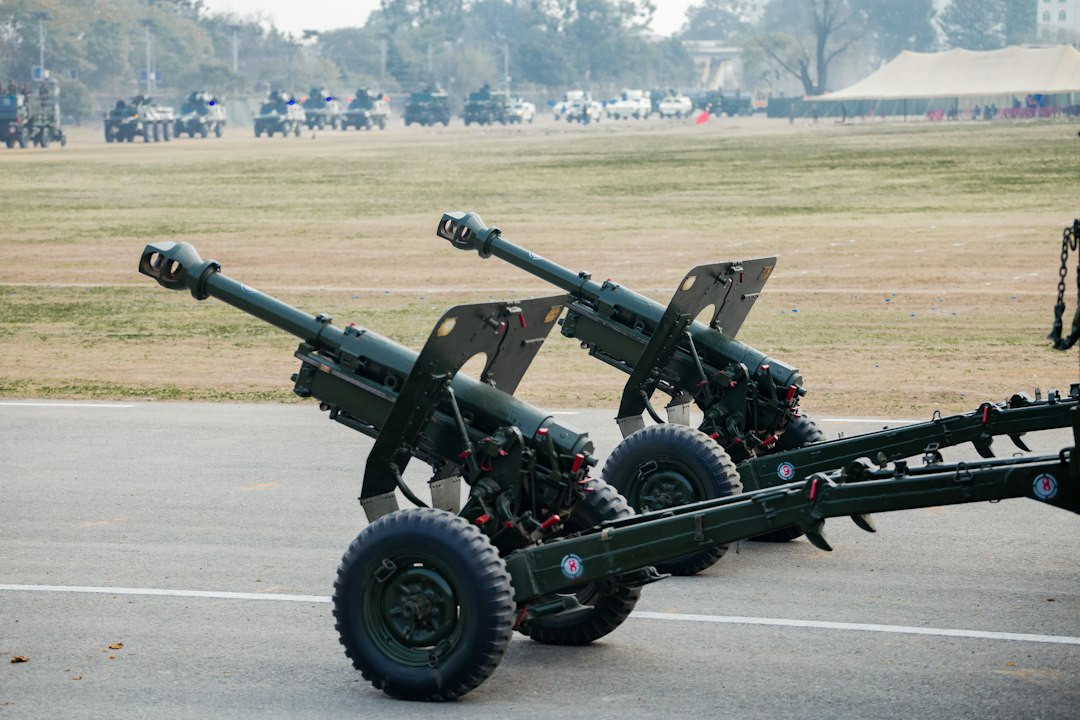
    Two artillery cannons on a paved surface
    Photo by Sushanta Rokka on Unsplash
    Key facts

    • Hanwha Aerospace reported a net loss of 36.7 billion won ($27.5 million) for July-September, versus a 699 billion won profit a year earlier, according to Yonhap and The Korea Times
    • Operating profit dropped 46.2 percent year-on-year to 452 billion won, while revenue slipped 6 percent to 6.09 trillion won
    • The company said shipments of K9 self-propelled howitzers bound for Poland were pushed into the fourth quarter, after some units had instead shipped early in the second quarter
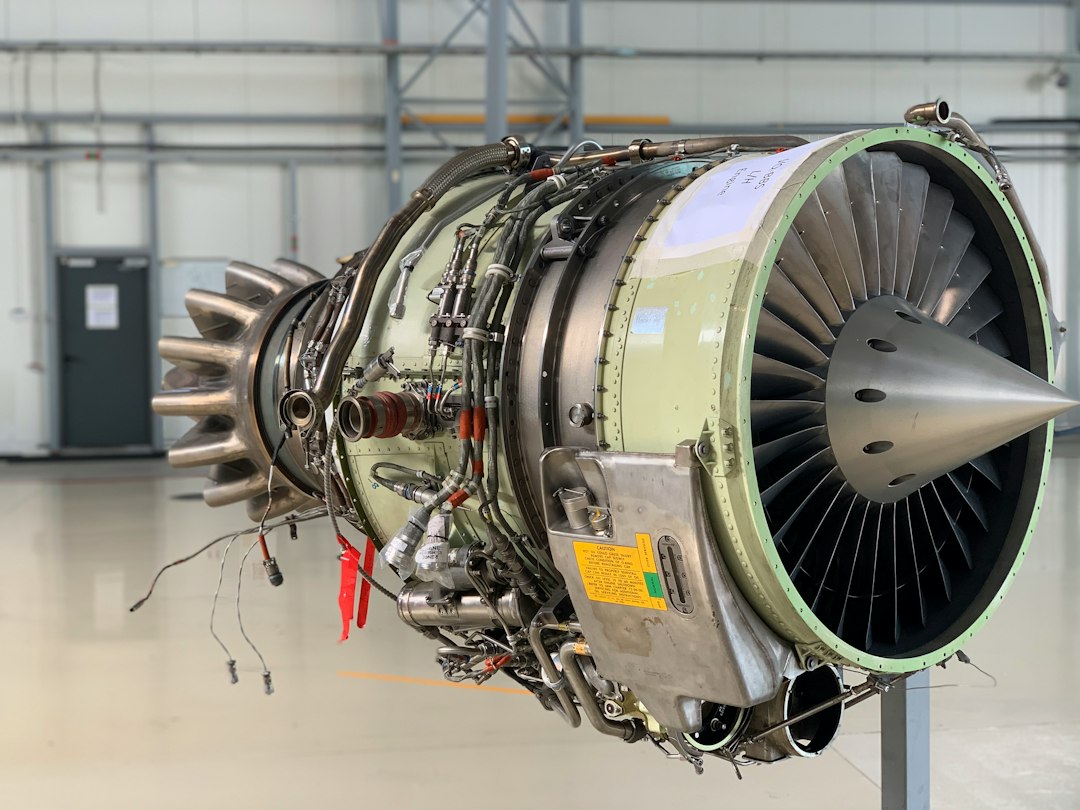
    • The aerospace unit swung to an operating loss of 2.4 billion won as costs tied to engine deliveries under its partnership with Pratt & Whitney increased, per the regulatory filing
    • Hanwha's order backlog stood at 35 trillion won at the end of September, and the firm said it expects results to improve in the fourth quarter

    What happened

    The company’s operating profit sank 46.2 percent from a year earlier to 452 billion won, while revenue eased 6 percent to 6.09 trillion won. Hanwha said the drop stemmed largely from a shift in delivery scheduling: a batch of K9 self-propelled howitzers destined for Poland that was expected this quarter will now go out in the final three months of the year. That slippage was compounded by the fact that some earlier shipments had actually landed ahead of schedule back in the second quarter, flattering that period’s results at the expense of the third.

    Within the business, the ground defense segment still generated 1.24 trillion won in revenue and 21.7 billion won in operating profit, and the company’s total order backlog remained sizable at 35 trillion won as of end-September. The aerospace division fared worse, falling into an operating loss of 2.4 billion won. Hanwha attributed this to higher costs from delivering more geared turbofan engines under its cost- and revenue-sharing arrangement with American engine maker Pratt & Whitney — an agreement in which suppliers absorb upfront development and production expenses in return for a share of later earnings.

    Why it matters

    The swing to a loss is notable given how strong Hanwha’s defense exports have been in recent years, driven by demand from European buyers restocking artillery and rocket systems. A single quarter of delayed shipments can distort headline profit even when underlying demand hasn’t weakened, and that appears to be the dynamic here: the company says the shortfall is a timing issue tied to logistics rather than a drop in orders.

    Our read: investors watching Korean defense exporters should pay close attention to delivery schedules, not just order totals, since a backlog of 35 trillion won means little for a given quarter if shipments land in a different period. The aerospace segment’s losses also show how revenue-sharing deals with global partners like Pratt & Whitney can weigh on short-term earnings even as delivery volumes climb.

    gray and yellow industrial machine
    Photo by Kaspars Eglitis on Unsplash

    Background

    Hanwha Aerospace has become a central player in South Korea’s push to expand arms exports, with Poland among its largest customers for artillery systems. The firm’s ground defense and aerospace units operate alongside affiliated Hanwha companies in shipbuilding and defense electronics, which form part of the broader Hanwha industrial group active in manufacturing and heavy industry across Asia.

    Quarterly results in the defense sector can swing significantly based on when large hardware orders are physically delivered and formally recognized as revenue, which is part of why companies in this space often emphasize order backlogs as a steadier indicator of underlying business health than single-quarter profit figures.

    What to watch

    Hanwha Aerospace said it expects performance to rebound in the fourth quarter, pointing to planned deliveries of K9 howitzers and Chunmoo multiple rocket launchers to Poland, along with continuing progress on K9-related programs in Egypt and Australia. Whether those shipments proceed on schedule will be the clearest signal of whether the third-quarter loss was indeed a temporary timing issue rather than a sign of broader strain.

    Markets will also likely watch how the aerospace division’s engine-delivery losses evolve, since that cost pattern tied to the Pratt & Whitney partnership could persist as engine shipment volumes continue to rise.

    Frequently asked questions

    Why did Hanwha Aerospace report a net loss in the third quarter?

    The company pointed to shipment timing issues, particularly K9 howitzer units for Poland that slipped into the fourth quarter, along with one-time costs, according to Yonhap and The Korea Times.

    How large was the net loss compared with last year?

    Hanwha Aerospace posted a 36.7 billion won net loss for July-September, a sharp swing from the 699 billion won profit it recorded in the same period last year.

    Does Hanwha Aerospace expect a quick recovery?

    The firm said it anticipates stronger results in the fourth quarter as howitzer and rocket-launcher shipments to Poland resume and K9 programs in Egypt and Australia advance, per its regulatory statement.

    Sources

    This article was prepared with AI assistance from the reports listed above and automatically checked against them. See About for how we work.
  • Why the Fed Held Rates Steady Despite High Inflation

    Why the Fed Held Rates Steady Despite High Inflation

    The US Federal Reserve left its benchmark interest rate unchanged this week, holding it in a 3.75 to 4.00 percent range even as inflation remains a pressing concern for households and a hot-button issue in upcoming midterm elections, according to SCMP and Yonhap.

    1 U.S.A dollar banknotes
    Photo by Alexander Grey on Unsplash
    Key facts

    • The Federal Open Market Committee voted 10-2 to keep the benchmark rate at 3.75-4.00 percent, according to Yonhap and SCMP
    • The pause came just days before US midterm elections in which inflation has been a central issue, per SCMP
    • The hold follows a quarter-point hike at the prior meeting; SCMP describes it as the first increase in three years, while Yonhap says it was the first since July 2023
    • The gap between US and South Korean benchmark rates now stands at up to one percentage point, Yonhap reported
    • PIMCO had forecast the October pause, followed by another quarter-point increase in December, according to Yonhap

    What happened

    Policymakers on the Federal Open Market Committee met over two days and voted 10-2 to keep rates steady, both outlets reported. The move follows a quarter-point increase delivered at the previous meeting. Accounts of how significant that earlier hike was differ slightly: SCMP described it as the Fed’s first rate increase in three years, while Yonhap characterized it as the first hike since July 2023. Either way, both reports agree the central bank had been signaling it might raise rates again before now, citing persistent inflation and elevated oil prices.

    In its statement, the Fed pointed to a resilient economy as grounds for patience. It noted that domestic spending has held up well, productivity growth is strong, and capital investment remains robust. The central bank also said hiring has kept pace with the available workforce and that unemployment has barely moved. Rather than tightening further right away, the Fed said it wants to gather more data before deciding what comes next, aiming to bring inflation back down to its 2 percent target over time.

    Why it matters

    Holding rates steady rather than hiking again signals that the Fed sees room to wait, even with inflation still running hot. For markets, that confirms expectations: the decision matched what investors and analysts had already priced in. Pacific Investment Management Co. (PIMCO) had predicted this exact sequence — a pause in October followed by a further quarter-point increase in December — according to Yonhap, suggesting the Fed’s messaging has remained fairly predictable to large institutional investors.

    The decision also has ripple effects beyond US borders. Yonhap noted that the rate gap between the US and South Korea now sits at up to one percentage point. Interest rate differentials like this can influence currency movements and cross-border investment flows, since money tends to chase higher returns, though neither source detailed specific market reactions in Asia.

    New york stock exchange building with american flags
    Photo by Maxim Klimashin on Unsplash

    Background

    Central banks typically raise interest rates to cool inflation by making borrowing more expensive, which can slow spending and investment. But hiking too aggressively risks choking off economic growth or triggering job losses. A pause, like the one the Fed just delivered, often reflects a balancing act: policymakers want to see whether previous hikes are working their way through the economy before deciding whether more tightening is needed.

    The timing here added a political dimension. The decision landed just ahead of US midterm elections in which inflation has been a major talking point for voters, per SCMP’s reporting. While the Fed operates independently of electoral politics, the optics of a rate decision landing so close to a major vote inevitably draw scrutiny.

    What to watch

    The most immediate signal to watch is whether the Fed follows the path PIMCO has forecast: another quarter-point increase in December. If inflation data firms up or weakens significantly between now and then, that could shift the central bank’s calculus.

    Our read: the Fed’s language about wanting more information suggests it is trying to thread a narrow path—avoiding an overcorrection while still keeping its 2 percent inflation target in sight. Whether that balance holds will likely depend on economic data released in the coming weeks, particularly around employment and consumer prices.

    Frequently asked questions

    What interest rate range did the Fed settle on?

    The Federal Reserve kept its benchmark rate within a 3.75 to 4.00 percent range, a decision reached by a 10-2 vote of the FOMC.

    Why didn't the Fed raise rates again given high inflation?

    The Fed said it wanted more economic data before deciding its next move, even as it described the economy as expanding strongly with resilient spending and a steady labor market.

    What comes next for US rates?

    According to Yonhap, bond manager PIMCO expects the Fed to follow this pause with another quarter-point rate increase in December.

    Sources

    This article was prepared with AI assistance from the reports listed above and automatically checked against them. See About for how we work.
  • The Sunlit Depths of Korean Hanok Madang: How Courtyard Spaces Shape Family Life

    Photo by Gabriela Starzec on Unsplash

    A grandmother sits on the wooden floor of her hanok, peeling persimmons while sunlight pools on the packed earth in front of her. Her grandchildren chase a cat across the same patch of ground where, decades earlier, her own mother dried red peppers every autumn. Nothing about this space is decorative. It simply works, every single day, for whoever needs it.

    This is the madang — the open courtyard at the heart of a traditional Korean house. It has no roof, no fixed furniture, and often no clear single purpose. Yet it may be the most important room in the entire home.

    Origin: Rooted in traditional Korean residential architecture (hanok)

    Region: Found across the Korean peninsula, with regional variations in layout

    Era: Traditionally dating back centuries, refined through the Joseon period

    Best known for: The open-air courtyard enclosed by the house’s wings

    Core value: Flexibility — a single space serving work, ritual, and family life

    Why does the madang have no fixed function?

    Walk into a hanok and you won’t find a courtyard labeled “dining area” or “workspace.” The madang is defined by what happens there on any given day, not by permanent fixtures.

    In the morning it might hold rows of soybeans drying under cloth. By afternoon, the same ground becomes a place where children practice calligraphy strokes on scrap paper weighted down with stones. In the evening, low wooden stools appear and the family eats dinner under the sky instead of indoors.

    This adaptability wasn’t accidental. Traditional Korean households were large and multigenerational, and a single enclosed room could never meet so many shifting needs. An open, undefined space solved that problem simply by staying empty most of the time.

    How did the layout of the madang reflect family structure?

    Hanok were traditionally arranged around the courtyard rather than along a single hallway, with different wings facing the madang from different sides. The anchae, or inner quarters, typically opened onto one side, historically associated with the women of the household and daily domestic life.

    The sarangchae, or outer quarters, faced the courtyard from another angle, traditionally used for receiving guests and conducting more formal affairs. Between these two wings, the madang functioned as shared territory — visible from both sides, but belonging fully to neither.

    This arrangement meant that daily life was never entirely private nor entirely public. A grandmother shelling beans in the courtyard could see her son discussing business near the sarangchae, while still remaining within the rhythm of the inner household.

    What role did the madang play during seasonal transitions?

    Korean seasons are sharply defined, and the courtyard absorbed that change directly rather than shielding the household from it. Spring meant clearing debris and preparing garden beds along the courtyard’s edges.

    Summer transformed the madang into a cooling space, where the open sky allowed heat to rise and escape rather than collect indoors. Families traditionally moved meals and even sleeping mats outside on the hottest nights, using the courtyard as an extension of the house itself.

    Autumn brought the most visually striking use: strings of red peppers and sliced persimmons laid out to dry in the sun, turning the courtyard into a working pantry under open air. Winter quieted the space, but even snow accumulating on the packed earth served a purpose, insulating the ground until the spring thaw.

    How does sunlight itself organize daily rhythm in the madang?

    Because the courtyard sits open to the sky, sunlight moves across it in a visible, trackable arc throughout the day. Traditional households often used this light informally to judge time, long before clocks were common in rural homes.

    Morning sun hitting the eastern edge signaled the start of chores. Midday light directly overhead marked the natural pause for the main meal. As shadows lengthened toward the wooden floor of the main hall, that shift quietly announced the transition toward evening rest.

    This isn’t poetic exaggeration — it’s a practical description of how a sun-exposed, unroofed space naturally structures behavior. The madang didn’t need a schedule posted on a wall; the light did that work on its own.

    Why does this courtyard concept still matter in modern Korean design?

    Most Koreans today live in apartments, not hanok, and the traditional madang has largely disappeared from everyday housing. Yet its underlying idea — a flexible, light-filled void at the center of domestic life — keeps reappearing.

    Contemporary Korean architects designing single-family homes frequently reintroduce a small interior courtyard or skylight well, consciously referencing this older layout. Even some hanok-style guesthouses and cultural centers preserve the madang specifically so visitors can experience this unstructured, sunlit space firsthand.

    The appeal isn’t nostalgia alone. An empty, adaptable space challenges modern assumptions that every square meter must be assigned a single, permanent function.

    How can you experience this idea without visiting Korea?

    You don’t need a hanok to borrow the madang’s core principle. Identify one space in your own home — a balcony, a corner, even a section of floor — and deliberately leave it unassigned for a week.

    Resist the urge to fill it with furniture or a fixed purpose. Instead, let its use shift with the day: morning coffee there, afternoon reading, evening conversation. Notice how an empty, sunlit space changes shape depending on what your family actually needs, rather than what a floor plan assumed you’d need.

    A courtyard holds no furniture, yet it holds an entire family's day.

  • The Measured Calm of Japanese Jikatabi Walking: How Footwear Shapes Mindful Movement

    Photo by Aditya Nara on Unsplash

    Watch a construction worker in rural Japan climb a bamboo scaffold, and you’ll notice something odd: his feet grip the pole like hands. The big toe splits from the rest, wrapping around the narrow wood the way fingers wrap around a rail. That separation isn’t a fashion choice. It’s the entire point of jikatabi, the split-toe rubber-soled shoe that has quietly shaped how generations of Japanese laborers, farmers, and now mindfulness-minded walkers move through the world.

    Most people outside Japan have never heard the word. Those who have usually picture ninja — a stylized Hollywood guess that misses what jikatabi actually is: a working person’s shoe, built for traction, flexibility, and a very specific relationship between the foot and the ground beneath it.

    Origin: Evolved from traditional tabi socks, adapted with rubber soles for outdoor labor

    Region: Associated with Kurume, Fukuoka, a historic center of rubber manufacturing

    Era: Traditionally dated to the early twentieth century

    Best known for: Split-toe construction, flexible rubber sole, use by craftsmen and farmers

    Core value: Direct sensory contact between foot and ground

    Why did Japanese workers need a shoe that bends like a foot?

    Before rubber soles existed, Japanese laborers wore tabi — soft cotton socks with a separated big toe, usually paired with straw sandals or wooden geta. Tabi alone offered no protection on construction sites, farmland, or forest paths covered in roots and stone.

    Photo by Kazuo ota on Unsplash

    What workers needed was something that kept the split-toe shape, because that shape mattered for balance and grip, while adding a durable sole underneath. The challenge wasn’t comfort in the modern sense. It was function: a shoe that could flex through mud, grip wet scaffolding, and let the foot sense uneven ground rather than ignore it.

    How did jikatabi evolve from tabi socks to rubber-soled footwear?

    The breakthrough came when rubber manufacturing reached Japan in a usable, affordable form. Workshops in Kurume, a city with a long rubber-production history, began fitting vulcanized rubber soles onto the traditional tabi shape, creating a shoe sturdy enough for outdoor labor but still flexible enough to move like bare feet.

    The name itself explains the intent: “jika” refers to direct contact with the ground, “tabi” to the sock-shoe lineage. This wasn’t a shoe designed to insulate the wearer from the earth. It was designed to keep that connection intact while adding just enough protection to survive a full workday.

    Within a few decades, jikatabi became standard footwear for carpenters, roofers, farmers, and festival participants across Japan. Unlike Western work boots, which stiffen the foot into a single rigid unit, jikatabi let each toe articulate somewhat independently, particularly the big toe.

    What does the split-toe design actually do to the way you walk?

    Try standing with your toes together, then try standing with your big toe pulled slightly away from the rest. The second position activates muscles along the arch that the first one doesn’t ask much of. That’s the mechanical logic behind the split toe.

    Separating the big toe changes how weight distributes across the foot during each step. Instead of rolling heel-to-toe in one smooth block, the foot has to make small, continuous adjustments — micro-corrections for slope, texture, and incline. Over a full day’s walk, those adjustments add up to a different kind of muscular engagement, one closer to walking barefoot on natural terrain than walking in a cushioned sneaker.

    This is why jikatabi remain common among gardeners and shrine carpenters who spend hours on uneven ground. The shoe doesn’t eliminate the terrain’s demands; it translates them more directly to the foot.

    Photo by Masaaki Komori on Unsplash

    How does jikatabi walking cultivate a different kind of attention?

    A thick, heavily cushioned shoe sole essentially tells the brain: don’t worry about the ground, we’ve already handled it. Jikatabi does the opposite. The thin, flexible sole transmits texture, slope, and temperature changes almost unfiltered.

    Walkers who use jikatabi on forest trails or rural paths often describe a heightened awareness of each step — not because they’re trying to meditate, but because the shoe simply demands it. A root, a stone, a patch of wet clay all register through the sole in a way rubber-soled hiking boots rarely allow.

    This sensory feedback loop is close to what some mindfulness practices try to engineer artificially, through slow walking exercises or barefoot grounding techniques. Jikatabi arrived at the same outcome through a much more practical route: a work shoe built for people who needed to feel exactly where their feet were landing, because their safety depended on it.

    What can modern walkers learn from this quiet technology?

    You don’t need to buy jikatabi to borrow the principle behind them. The core idea is simple: footwear that transmits more ground information produces more present-moment attention, almost involuntarily.

    Minimalist or thin-soled shoes offer a similar, if less dramatic, effect for anyone walking city sidewalks or neighborhood trails. The split-toe detail is harder to replicate without the actual garment, but the underlying lesson — that less cushioning can mean more awareness — translates well beyond Japanese construction sites.

    Jikatabi were never designed as a wellness product. They were designed by people who needed to trust their footing completely. That’s possibly why the calm they produce feels earned rather than manufactured.

    What’s a simple way to start today?

    Find the thinnest-soled, most flexible shoes you own — ideally something without heavy arch support or memory foam — and take a short walk somewhere with a bit of texture: a park path, a gravel trail, a quiet backyard.

    Pay attention to what your foot tells you with each step, rather than letting the shoe absorb that information for you. Ten minutes is enough to notice the difference jikatabi makers understood more than a century ago.

    A foot that feels the ground rarely forgets to pay attention to the moment it's standing in.

  • The Rustic Warmth of Japanese Mashiko Ware: Folk Pottery Shaped by Everyday Hands

    Photo by Tim Ly on Unsplash

    Pick up a Mashiko teacup and the first thing you notice isn’t its glaze or its shape. It’s the weight—heavier than you expect, like it was shaped by someone who wasn’t in a hurry. That heft is the whole story of this pottery in a single object.

    Origin: Mashiko, Tochigi Prefecture, Japan

    Region: Kanto area, roughly 100 km north of Tokyo

    Era: Traditionally dated to the mid-1800s, revived in the early 20th century

    Best known for: Thick-bodied stoneware, iron-rich clay, utilitarian tableware

    Core value: Beauty found in function and everyday use, not display

    Key figure: Hamada Shoji, potter linked to the mingei (folk craft) movement

    Why did a farming village become a pottery town?

    Mashiko sits on a seam of coarse, iron-heavy clay that isn’t particularly refined by porcelain standards. Local farmers found it good enough for one thing: durable kitchenware. Mortars, water jars, and rice bowls could be fired cheaply and sold to the growing city of Edo, just a few days’ journey south.

    Photo by Alexis Banaag on Unsplash

    Traditionally, pottery production in Mashiko is said to have started around the 1850s, when a local lord encouraged kiln building to supply Edo’s expanding population with sturdy household goods. There was no ambition toward elegance in those early decades. The town simply made what people needed to cook, store, and eat.

    How did Mashiko clay shape its own character?

    The clay here contains high iron content, which limits how thin or delicate a piece can be thrown. Potters learned to work with that limitation instead of against it, building forms with thick walls and rounded, forgiving shapes. Firing temperatures were also kept moderate, letting the clay’s natural grain show through the glaze.

    This is why Mashiko ware often feels almost geological in the hand. Surfaces show small flecks, uneven pooling of ash glaze, faint fingerprints near the rim. None of this was flaw-hiding; it was simply left alone.

    What makes Mashiko ware different from refined porcelain?

    Porcelain traditions elsewhere in Japan chase whiteness, thinness, and symmetry. Mashiko moved in the opposite direction, staying loyal to brown and amber tones, speckled kaki (persimmon) glazes, and a slightly rough tactile surface. A Mashiko bowl rarely tries to disappear into the table setting the way a porcelain one might.

    Instead, it asserts a kind of quiet physical presence. You feel the clay’s origin every time you lift it. That tactile honesty became, somewhat unexpectedly, its biggest selling point decades later.

    How did one potter change the way the world saw folk pottery?

    In the 1920s, a young potter named Hamada Shoji chose to settle in Mashiko instead of a more prestigious ceramics center. He had studied in England and traveled widely, yet he was drawn to the unpretentious, anonymous craft tradition already rooted in this farming town. Working alongside local artisans, he used the same thick clay and simple glazes that had always been there.

    Hamada’s involvement coincided with the rise of the mingei movement, a cultural idea championed by critic Yanagi Soetsu that found genuine beauty in ordinary, handmade objects made by unnamed craftspeople for daily use. Mashiko ware fit the philosophy perfectly because it had never tried to be anything other than functional. Hamada didn’t reinvent the style so much as give it a vocabulary that collectors and scholars could finally recognize.

    Photo by Andre Benz on Unsplash

    Because of this shift, pieces that were once sold in local markets for a few coins began appearing in galleries and private collections. The irony is that the pottery itself barely changed. What changed was how people were willing to look at it.

    Why does imperfection matter in Mashiko ware?

    A slightly lopsided rim or an uneven glaze pool isn’t considered a mistake here, it’s considered proof of a hand at work. This sits at the center of the mingei philosophy: an object made without excessive self-consciousness carries more honesty than one engineered toward flawlessness. The maker’s attention goes into the clay’s behavior, not into erasing every trace of the process.

    This matters for how the ware ages, too. A Mashiko mug develops faint tea stains and small surface marks over years of use, and rather than looking worn out, it looks lived with. The object and its owner are, in a sense, shaped together.

    How do people use Mashiko ware in daily life today?

    Walk through Mashiko’s pottery district today and you’ll find hundreds of small studios, many still run by families who trace their training back generations. Prices range from a few dollars for a simple cup to significant sums for pieces by recognized masters. Most of what’s sold, though, is meant for actual kitchen use rather than shelf display.

    Local cafes in the town serve coffee in Mashiko cups as a matter of course, not as a tourist gimmick. For residents, choosing a Mashiko bowl for rice or miso soup is simply the normal, practical choice—it just happens to carry a century and a half of quiet craft history inside it.

    What should you look for if you want to start your own collection?

    Skip anything that looks too polished or uniform; that’s usually not representative of the real tradition. Instead, look for visible throwing marks, slight asymmetry, and glaze that pools unevenly near the base. These aren’t signs of lower quality, they’re signs of a human hand making real-time decisions with difficult clay.

    If you can, hold the piece before buying. The weight and warmth of Mashiko clay in your palm tells you more than any description ever could.

    Next time you’re choosing a mug for your morning coffee, try one with some visible texture or an uneven glaze line instead of a flawless factory piece. Notice how it feels different in your hand within the first sip.

    A cup shaped by an unhurried hand teaches you to slow down, one sip at a time.