An Ancient Clock Without Hands
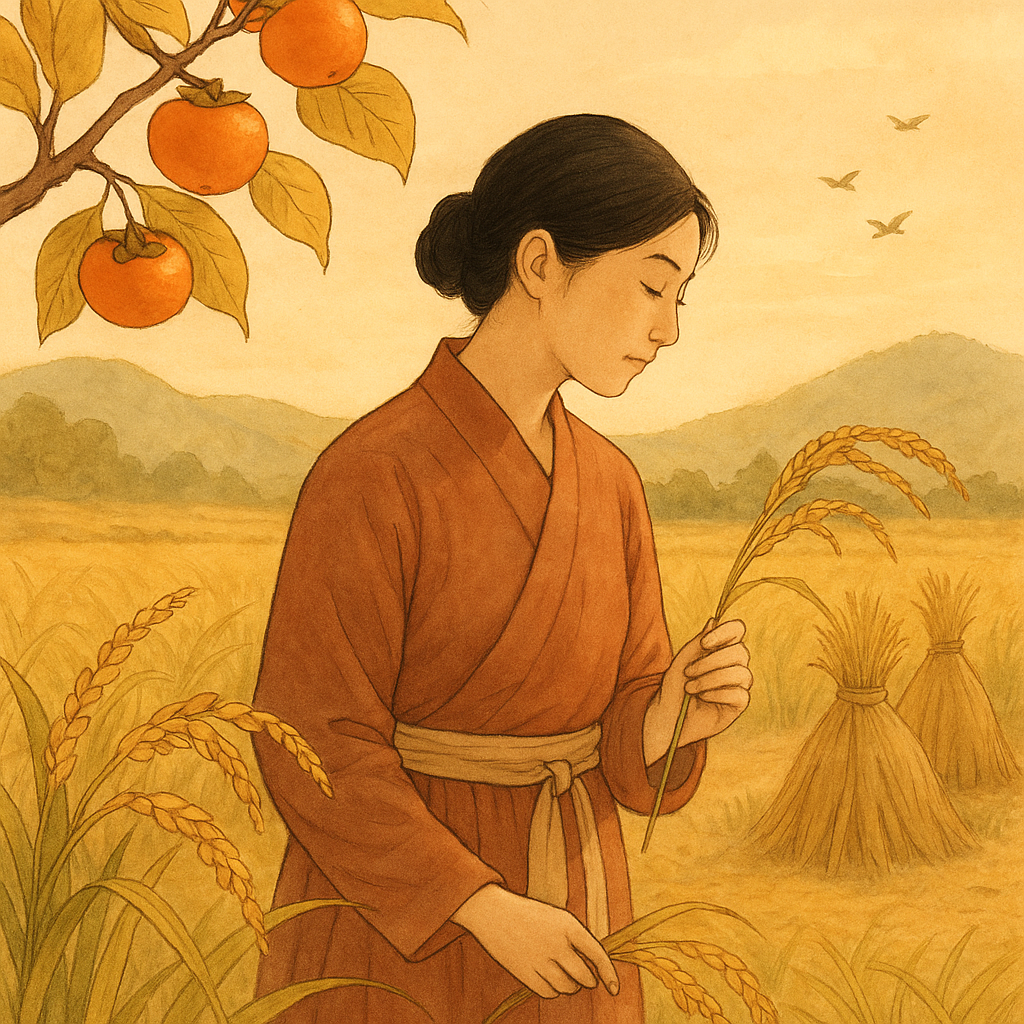
Ask a farmer in rural Shaanxi when to plant sorghum, and he might not check an app. He’ll tell you it’s three days past Guyu, the “grain rain” term, when the soil finally holds enough moisture to sprout seeds without rotting them.
This isn’t superstition. It’s the residue of a system that predates thermometers, satellites, and even the printed calendar—one that Chinese farmers refined by watching the sky for centuries.
Twenty-Four Signposts Through a Single Year
The system, known as the 24 solar terms (二十四节气), divides the solar year into twenty-four roughly fifteen-day segments, each tied to the sun’s position and named for what actually happens on the ground: Awakening of Insects, Grain in Ear, White Dew, Frost’s Descent.
Traditionally, the framework took shape through generations of agricultural observation along the Yellow River basin, and was recorded in something close to its full form in the Huainanzi, a text compiled around the 2nd century BCE during the Han dynasty. It wasn’t invented by one scholar in a study; it was assembled from what worked in the fields.
Each term carries a small, testable prediction. Jingzhe, “Awakening of Insects,” marks the point when the first spring thunder is expected to rouse hibernating creatures from the soil. You can actually listen for it.
The Kitchen Calendar
Long before nutritionists talked about seasonal eating, Chinese households were already doing it by the solar terms. At Qingming in early April, families in southern China make qingtuan—glutinous rice balls dyed green with mugwort or barley grass juice, eaten cool, slightly grassy, faintly sweet.
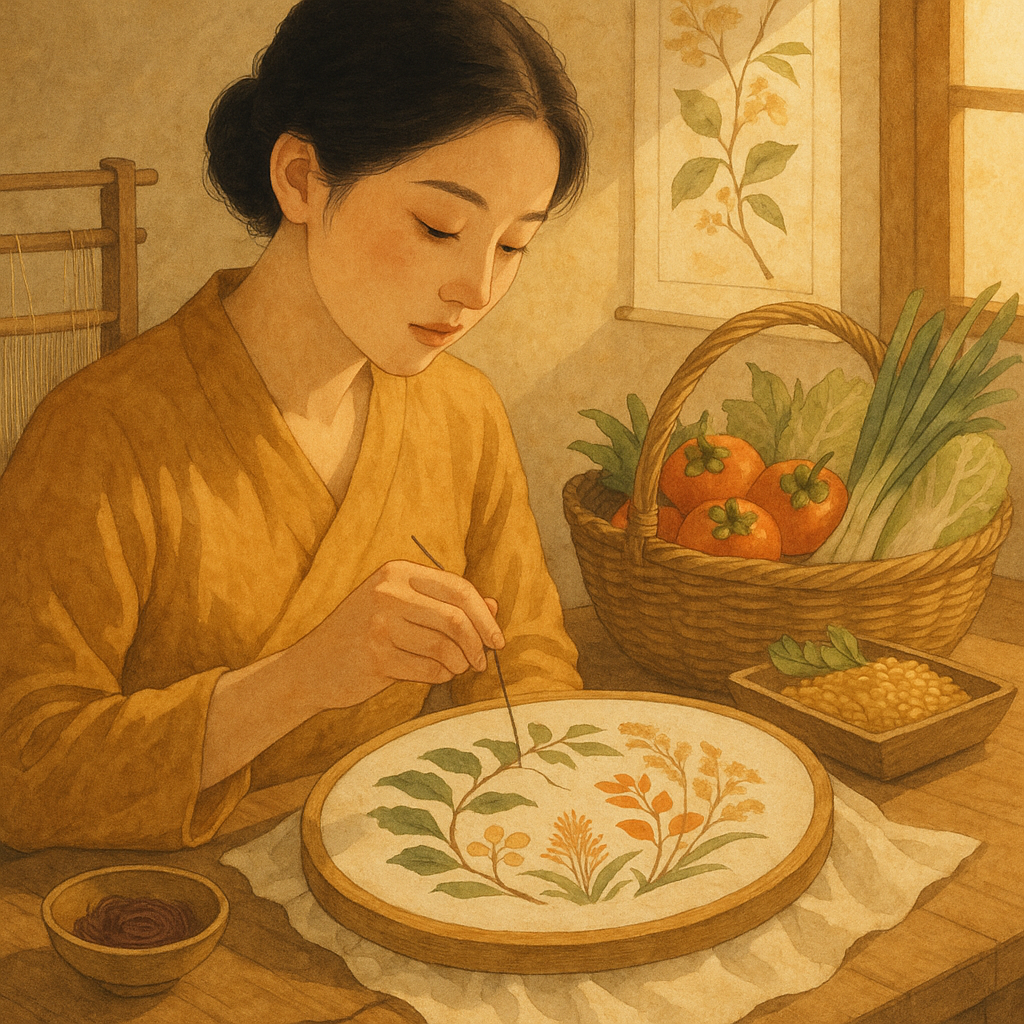
Dongzhi, the Winter Solstice term, splits the country in two at the dinner table. In the north, families gather to make dumplings, following an old warning that skipping them on this day will leave your ears frozen through winter. In the south, people eat tangyuan instead—soft rice balls in warm syrup, round like the returning light after the year’s longest night.
These aren’t nostalgic gestures performed once a year for show. In many households, they’re simply what’s for dinner when that date rolls around.
Thunder, Superstition, and the Logic of Small Rituals
Some solar term customs sound stranger out of context. In Guangdong, Jingzhe is when some people still practice “da siu yan,” striking a paper effigy with a shoe to beat away bad luck and troublesome people for the year ahead.
It sounds theatrical, but the timing makes sense once you know the season. Insects and pests are waking up alongside the thunder—so, symbolically, is misfortune, and the ritual gives people a concrete moment to push it back out the door.
This is the real function of the solar terms: they turn an abstract, sliding year into a series of specific, nameable moments you can act on.

Why an Old Farming System Still Matters
In 2016, UNESCO inscribed the 24 solar terms onto its Representative List of the Intangible Cultural Heritage of Humanity, recognizing them not as a relic but as a living system still shaping calendars, cuisine, and even traditional medicine practice across China today.
Air conditioning and greenhouse produce have loosened our dependence on the seasons, which is exactly why the terms feel worth revisiting now. They offer something a digital calendar can’t: a built-in prompt to actually notice whether the air has changed, whether the light is different, whether something outside your window shifted overnight.
Try It This Week
Look up which solar term the current date falls under—there are only twenty-four, and most have a simple name in English that tells you exactly what to watch for. Then spend one afternoon this week doing what the term suggests: listen for the first thunder, notice the length of daylight, or cook one dish tied to the season instead of whatever’s easiest.
You don’t need the whole system to start. You just need one term, and a few minutes of paying attention.
Long before clocks, people told time by what the sky and soil were already telling them.